


Published : 01 Dec 2017, 01:58 AM
Updated : 05 Aug 2022, 07:32 PM


In its latest research findings released on Thursday, it recommended the control of lower judiciary be placed under the Supreme Court.
The Bangladesh chapter of the Berlin-based civil society organisation put forward 18 recommendations in its report prepared from the research titled ‘The Lower Judiciary: Challenges of good governance and the way out to overcome’. TIB official Nazmul Huda Mina supervised the research.
"The control and supervision of the lower courts should solely be placed under the Supreme Court," the TIB says in its recommendations.
At the same time, it says, if necessary, a new law can be enacted or the existing law can be revised or amended.
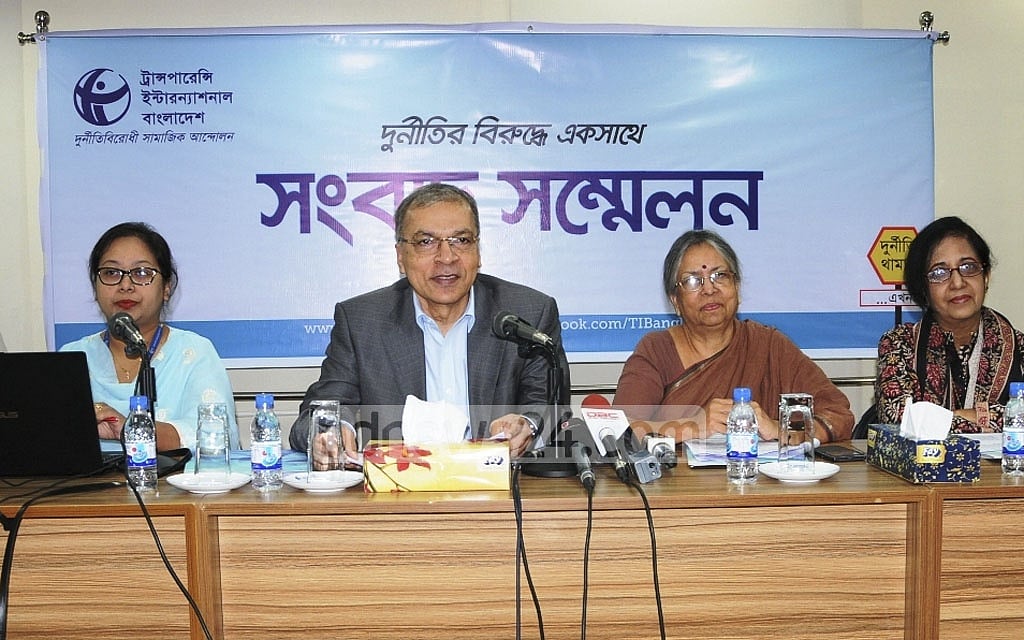
"A dual control system by the law ministry and the Supreme Court now exists in the lower judiciary. It is causing the delay in the legal process and creating tension in the administration over supremacy and compliance," TIB Executive Director Iftekharuzzaman said at the launch of the report in Dhaka on Thursday.
"These are detrimental to professional growth and development," he added.
The report said the promotions and transfers of the judges in the lower judiciary were still lying with the Ministry of Law, Justice and Parliamentary Affairs, which at times influence the administrative process and hamper the independence of the judiciary.
On the other hand, sections 109, 115 and 116 of the Constitution stipulate that the authority and control of the lower courts and tribunals lie with the High Court Division.
These discrepancies and poor relations between the judiciary and the executive are affecting the functioning of the lower courts, according to TIB report.
Asked whether the tug of war between now-resigned chief justice SK Sinha and government put any adverse impact on the lower courts, TIB chairperson Sultana Kamal said, "As the citizen, we were affected. It has left a shadow on us. There is no reason that the lower judiciary will not be affected by the event."
TIB Programme Manager Shammi Laila Islam said at the event the study was conducted between January and October this year.
The researchers picked 18 districts, where the number of cases was high for the study. They interviewed 437 people including judges, court employees, justice seekers, lawyers, NGO employees and journalists.
The study found allegations of bribery, ranging from Tk 20 to Tk 1 million.
Iftekharuzzaman said they did not find any proof that a judge took bribe directly, but many alleged court employees or lawyers took money from plaintiffs or accused people to ‘bribe judges’.













