


Published : 01 Jul 2021, 12:01 AM
Updated : 14 Oct 2022, 06:54 PM


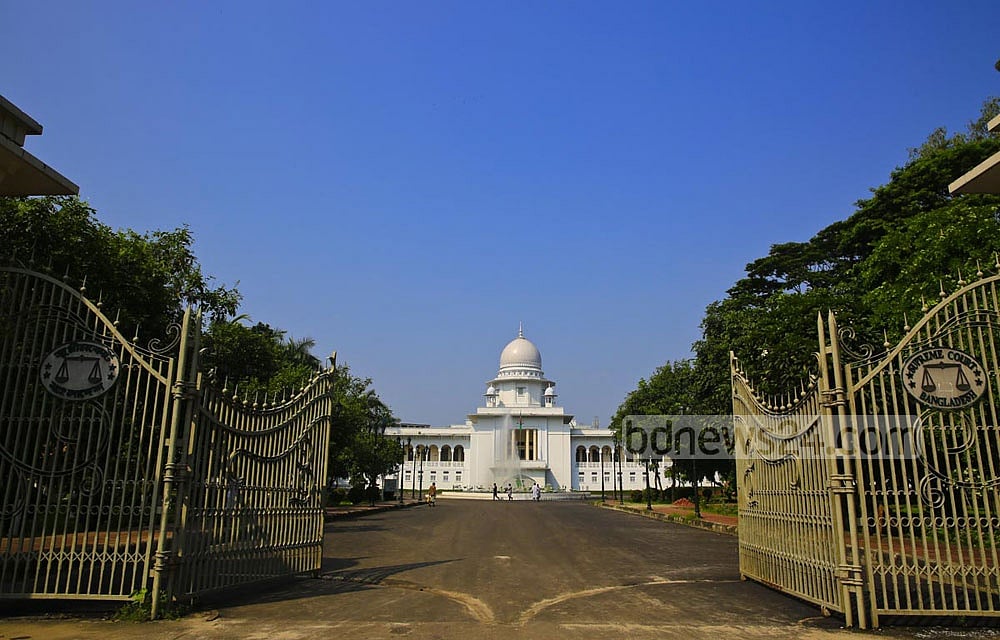
With the relevant work unfinished, the authorities are yet to designate a High Court bench to hear the death references of the convicts.
People related to the case have blamed the coronavirus pandemic for the delay. Attorney General AM Amin Uddin says he will try his best to hold the hearing this year if the situation improves.
“There has been a delay to begin hearing the death reference cases because the court has not been operating normally since March last year,” he said on Wednesday, the eve of the fifth anniversary of the attack that shocked the world.
Death references are heard by the High Court as per their serial numbers.
“I will mention the case once the situation normalises,” Amin Uddin said.
An anti-terrorism tribunal on Nov 27, 2019 sentenced to death seven members of banned militant outfit Neo-Jama’atul Mujahideen Bangladesh or Neo-JMB for the attack. One of the accused was acquitted.
The chief legal officer of the state did not say whether the state will appeal against the acquittal of the accused.
“It was an unfortunate and shocking incident. Some wrongful people misguided some youths into such activities,” he said.
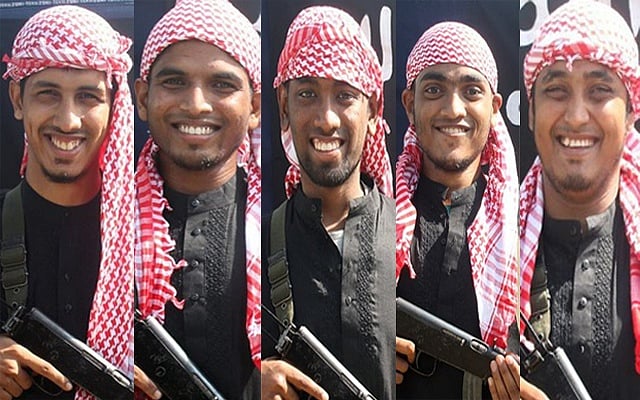
In the worst terrorist attack in Bangladesh on Jul 1, 2016, five young militants killed 22 people, including 17 foreign diners. They were killed in a commando raid the next morning, ending an overnight siege as the entire world watched.
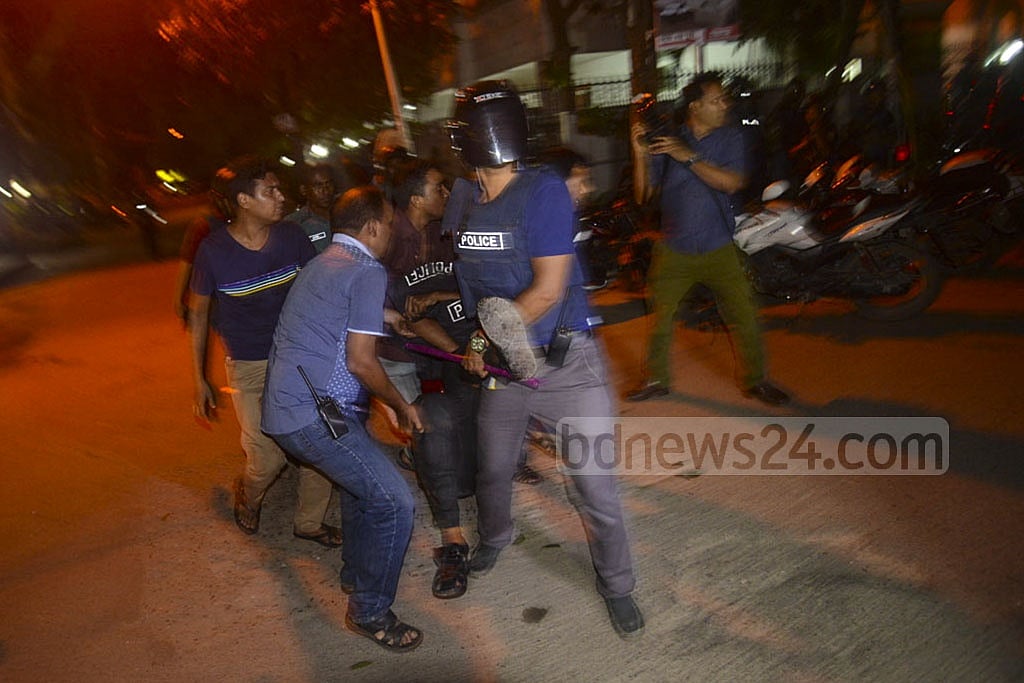
In a crackdown following the attack, the law-enforcing killed and arrested dozens of militants. Most of the masterminds behind the Holey Artisan attack were also killed in a series of operations.
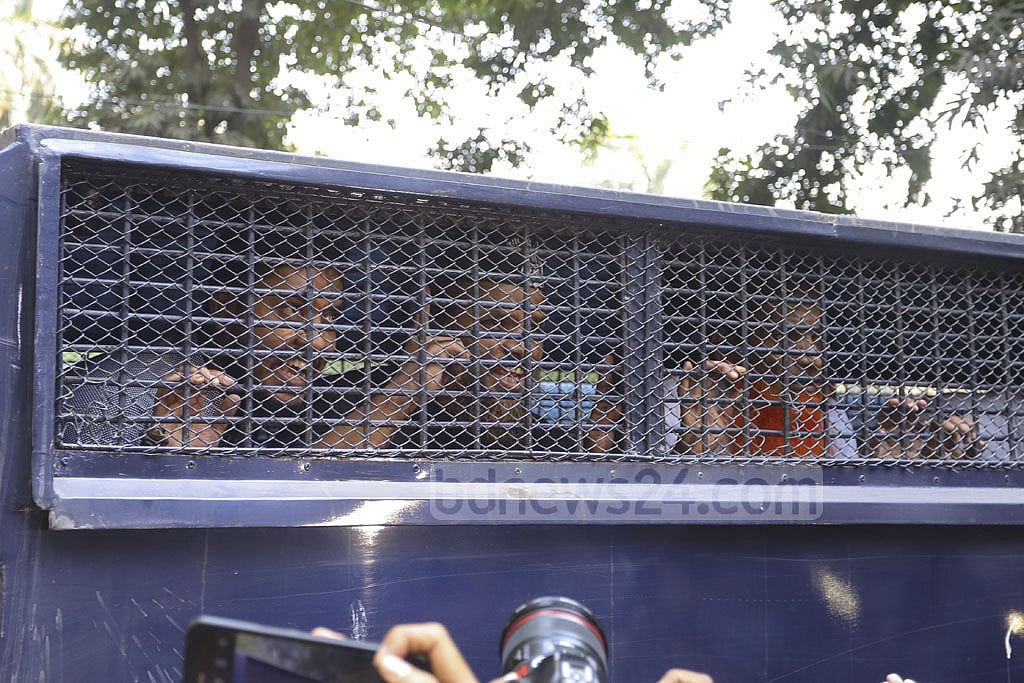
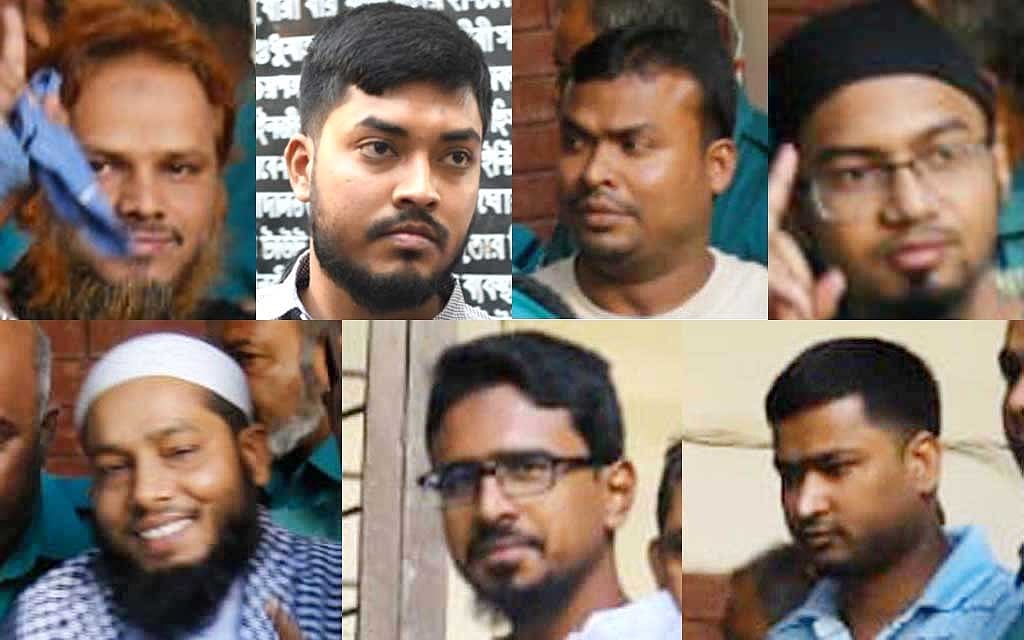
The seven convicts who were given the death penalty are Jahangir Hossain alias Rajib Gandhi, Rakibul Hasan Regan, Aslam Hossain alias Rashedul Islam alias Rash, Abdus Sabur Khan alias Soheil Mahfuz, Hadisur Rahman Sagar, Shariful Islam Khaled alias Khalid and Mamunur Rashid Ripon. All are behind bars.
The other accused in the case, Mizanur Rahman alias Boro Mizan, was acquitted as the charges against him could not be proved.
Following the rules, the death references of the case were sent to the High Court on Dec 5, 2019. The High Court’s despatch then forwarded them to the death reference department that sent the copy of the verdict and other documents to the Bangladesh Government press after scrutiny.
After five more months, on Aug 18 last year, the press submitted the paper-book to the relevant department of the High Court. But Bangladesh was already being battered by the coronavirus.
According to the rules, the chief justice designates a bench for the hearing after the paper-book is ready.
Mohammed Saifur Rahman, a spokesman for the Supreme Court and a special officer at the High Court Division said, “The paper-book is ready, but some other work is left. Steps will be taken on the death references following the rules once the work is done.”
THE WAY TO JUSTICE FOR AN UNPRECEDENTED ATTACK
Judge Md Mojibur Rahman of the special tribunal said in the verdict the attackers are “unworthy of mercy” because of the “despicable manifestation of militancy’s insane, cruel and brutal” side.
The suicide attack on Holey Artisan Bakery, a trendy eatery popular with the expats, on July 1, 2016 by a group of young Islamist militants was carried out amid a surge in extremism across the globe.
It forced Bangladesh, built on secular ideals, to divert huge resources and efforts to tackle terrorism.
It also revealed how young men from wealthy families and schooled in famed institutions were leaving homes to join militancy.
The attackers targeted the high-street joint because it was a huge hit with foreigners for its food, lakeside view, and green lawn.
It was a Friday, a weekly holiday during Ramadan, just a week before Bangladesh was to celebrate its biggest religious festival.
The five young attackers, armed with pistols, sub-machine guns, sharp weapons, and grenades, stormed into the cafe around 8:45pm and started an overnight siege.
As the international media started covering the biggest story of the day, many were still held hostage inside the cafe,”.
The militants slaughtered and shot dead 20 diners, including nine Italians, seven Japanese, a US citizen and an Indian. Two police officers were killed in grenade blasts as they tried to take the assailants on inside the cafe. Two employees of the eatery also died in the attack.
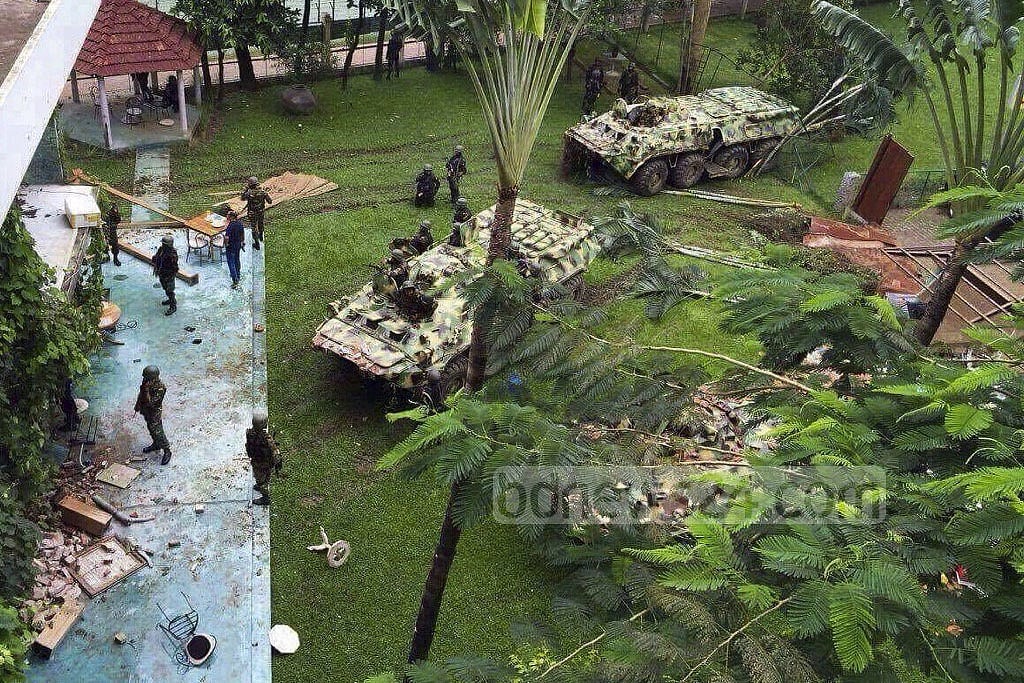
In an army blitz codenamed ‘Thunderbolt’, para-commandos rescued 13 hostages, killing all five attackers and a chef. A kitchen worker succumbed to his injuries later.
“The armed terrorists carried out the killings in front of children. The militants hacked the motionless bodies to confirm their deaths. The Holey Artisan Bakery turned into a death valley all of a sudden,” the judge said. The 13 freed hostages included women and children.
The attack was an “attempt at character assassination of a secular Bangladesh” and it made foreigners feel insecure in the country, he observed.













