


Published : 03 Jul 2016, 10:37 PM
Updated : 19 Oct 2022, 05:20 PM


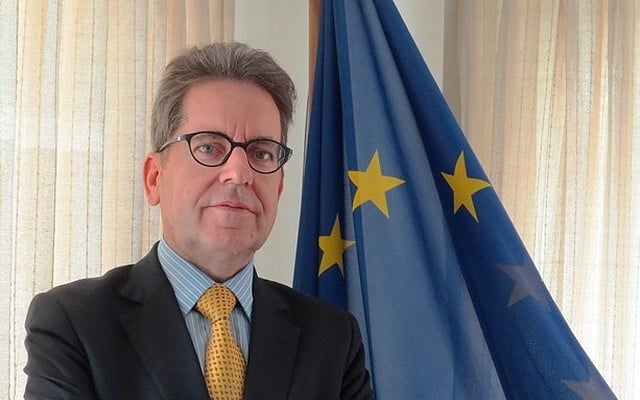
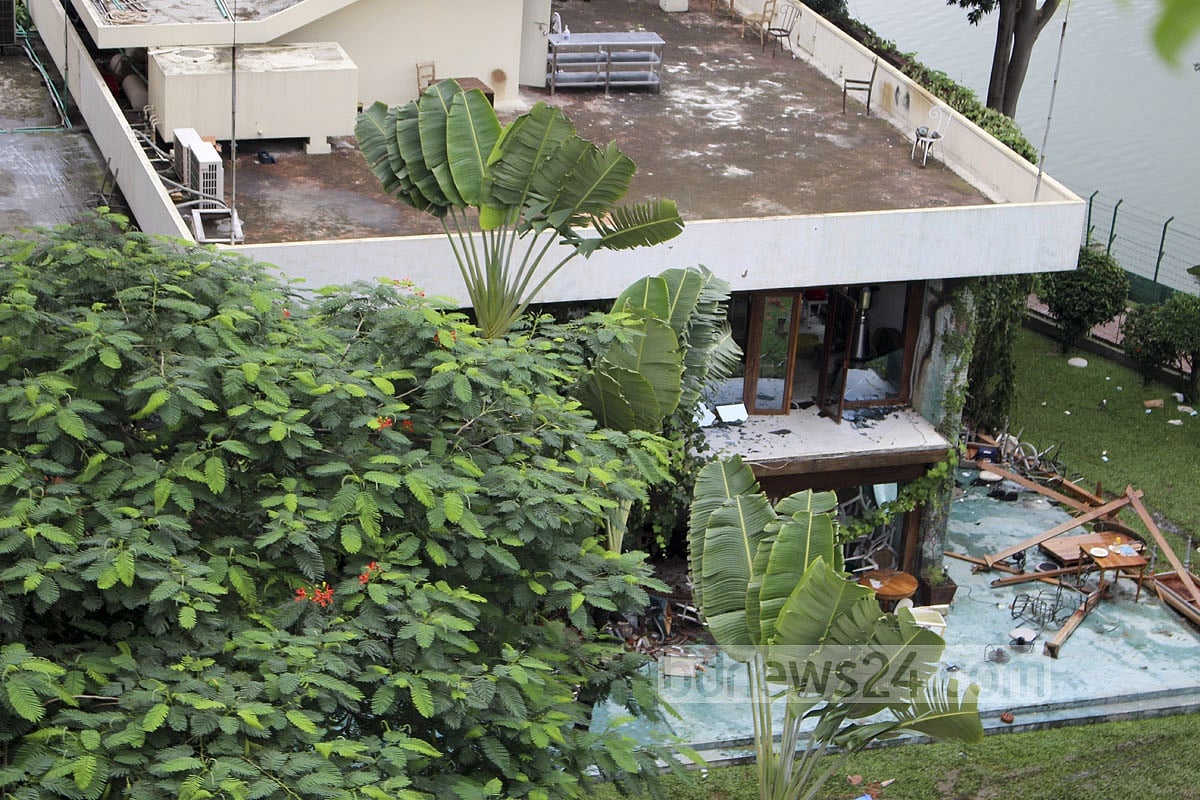
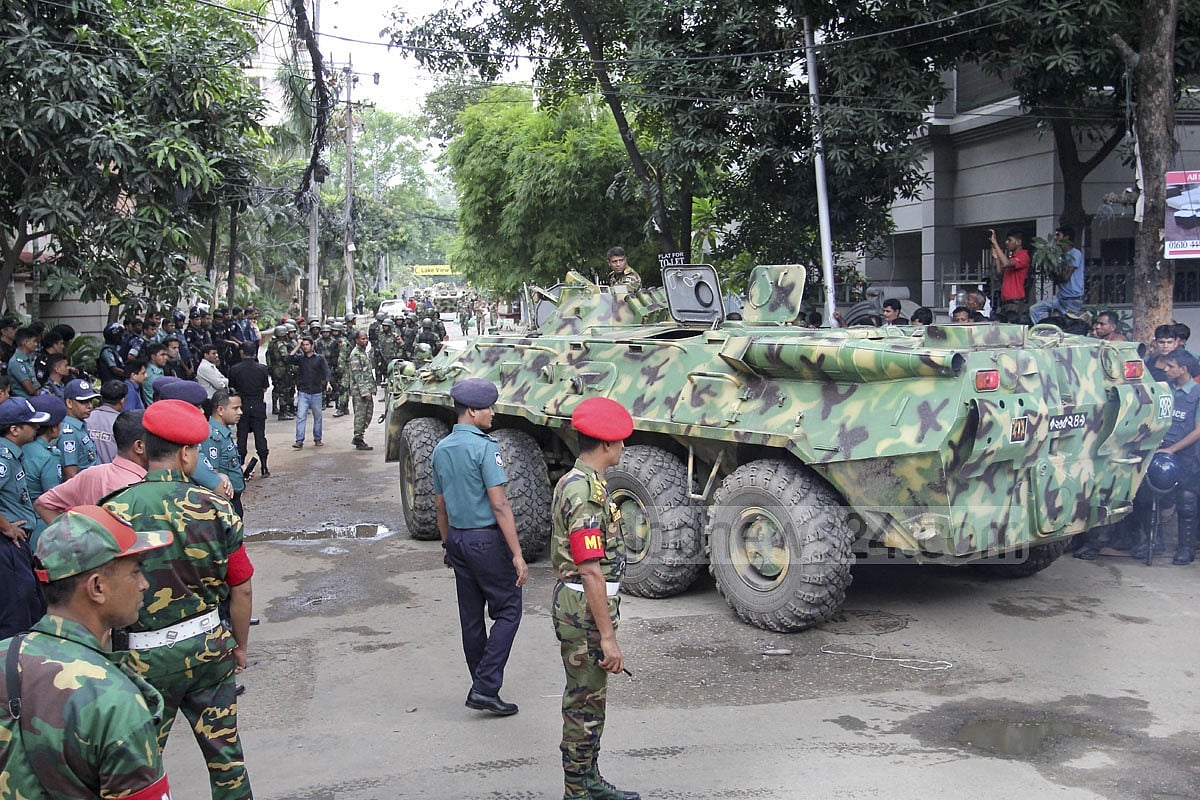
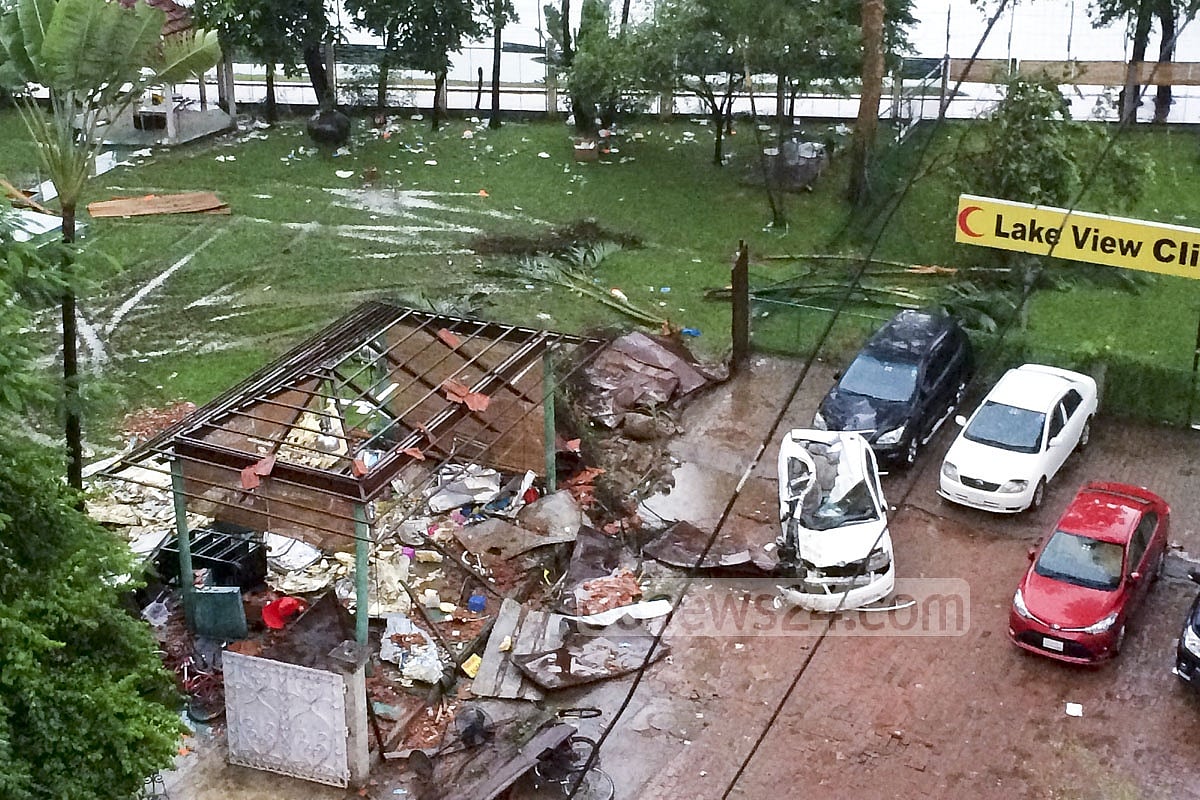


He was talking to a group of journalists on Sunday on the terror attack at a Gulshan diplomatic zone cafe close to the EU Head of Delegation office in Dhaka.
The overnight hostage situation on Friday night left over 20 dead, including 17 foreigners, in the hands of terrorists.
The ambassador said now was the time for mourning and “we have to respect and live with this moment for mourning”.
Then comes the time of a “deeper analysis” of the situation, which he said, was a “necessity”.
He said the 28-nation bloc was ready to cooperate with Bangladesh with its expertise and know-how.
“We are willing and we said that already, to share our experiences as we have been victims of international terrorism before Bangladesh.”
He also believed that this first of its kind attack in Bangladesh would impact on the image of the country, which is already on the spot due to the recent wave of attacks on individuals.
But, he said, “the last thing we want to see happening with a kind of disengagements – less companies come to Bangladesh, less development porgrammes will be considered”.
The attack, in which terrorists stormed a café and took guests taking meals hostage, drew immediate global media attention to Bangladesh.
The EU responded to it with a show of solidarity. Its foreign policy chief, Federica Mogherini, noted in a statement on Saturday that this was a ‘direct challenge to our global community’.
“In this dark hour, we stand in solidarity with the people and the government of Bangladesh, as well as with the authorities and populations of countries who have also suffered in this attack,” read the statement.
Since among the victims nine were Italians, EU High Representative Mogherini put the Delegation of the European Union in Bangladesh “at the full disposal of the Italian authorities.”
Ambassador Mayaudon was with the Italian ambassador when Foreign Secretary Md Shahidul Haque visited the embassy on Sunday morning.
Diplomatic security
Diplomatic security in Dhaka was already a matter of concern since before the terror attack. Last year an Italian citizen was killed at a spot close to the café that the terrorists attacked on Friday night.
“And this has been a reality and it creates a sense of safety for all of us,” he said, but this “tragedy has demonstrated that there is no such thing as foolproof security.”
“The security paradigm will have to be revisited against this strength of new dimension,” he said, adding that the diplomatic community would also take part in the process.
“It’s (security) a matter of local government. But it’s also our matter. I can assure you that we take it (security) very seriously and in a responsible manner for our own diplomatic staff and families and citizens living in and visiting Bangladesh.”
He said the EU had been in contact with the diplomatic police from the early moments of the incident when locals heard gunshots.
“Our engagement with the government will unfold from now on,” he said.
Thin line between international and domestic terrorism
The ambassador said that what had happened in Dhaka on the first of July could certainly be compared to what happened in Brussels in November last year.
“This is international terrorism…yes, home-grown,” he said.
“We have to see what investigations find and acknowledge.”
He highlighted Prime Minister Sheikh Hasina’s speech after ending the hostage situation and said “she has gone beyond and referred to education, role of the families in detecting young individuals who are engaging on the wrong path.”
“For us the answer to terrorism is not just with security measures. Obviously they are the frontline response. In addition we have to address the root causes. Here comes education, certainly with primary and higher education as well. The response is complex and multifaceted.”
He said when the “emotion time” is over, there will be “common work” to be done by the Italian and Bangladesh governments.
Should the EU useful in this dialogue? “ We’ll certainly be more than willing to make our contribution.”
Image crisis
The ambassador said after last year’s murders of foreigners, a number of companies decided to cancel their visits to Bangladesh.
“But this I must say is not completely new. Even in the weeks preceding the terror attack, international attention was very much focused on Bangladesh due to the series of targeted killings.”
He said he had found a whole page coverage of Bangladesh titled “Bangladesh sinking into terror” in a French newspaper recently on his way to Dhaka from Paris. That was mostly related to the killing of a professor of Rajshahi University.
After this incident, he said, “what is going to happen is not the conclusion, it should be a starting point of a collective analysis, and of course government. Bangladesh stakeholders will conduct analyses.”
“The immense majority of Bangladeshis are so welcoming, so warm, so willing. But terrorism is something different by nature. This is international terrorism.”
He said Bangladesh had to tackle this problem on its own, and the EU was ready to cooperate.













