Published : 16 Mar 2026, 08:10 AM
Updated : 21 Aug 2026, 03:28 PM


Half a century after late president Ziaur Rahman manually dug the Joynagar canal in Keraniganj, his son Prime Minister Tarique Rahman is returning to the same banks with a shovel and a vision.
As part of its election manifesto, the newly elected BNP government is embarking on a massive priority programme to excavate and re-excavate 20,000km of rivers, canals, and water bodies across Bangladesh over the next five years.
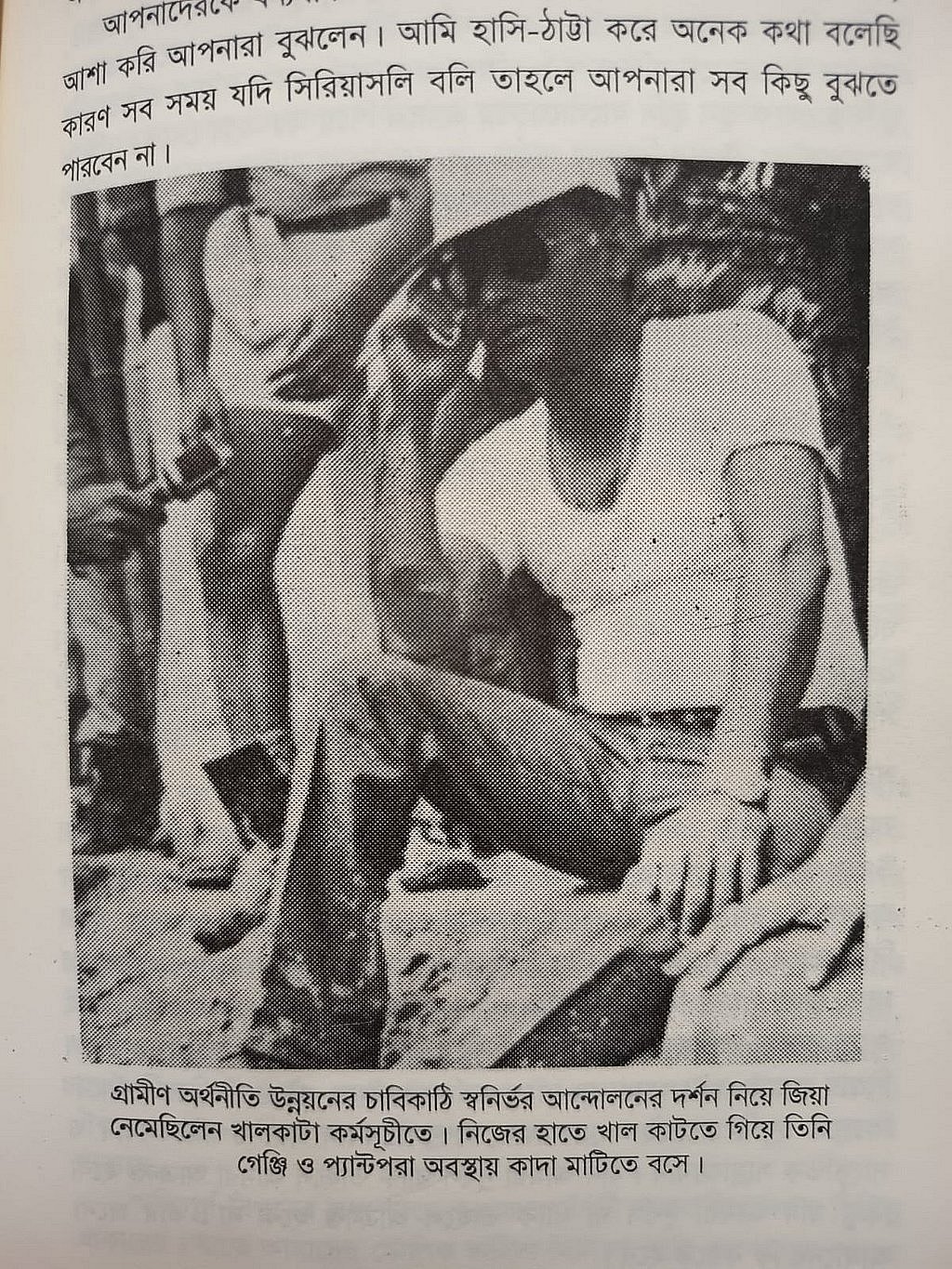
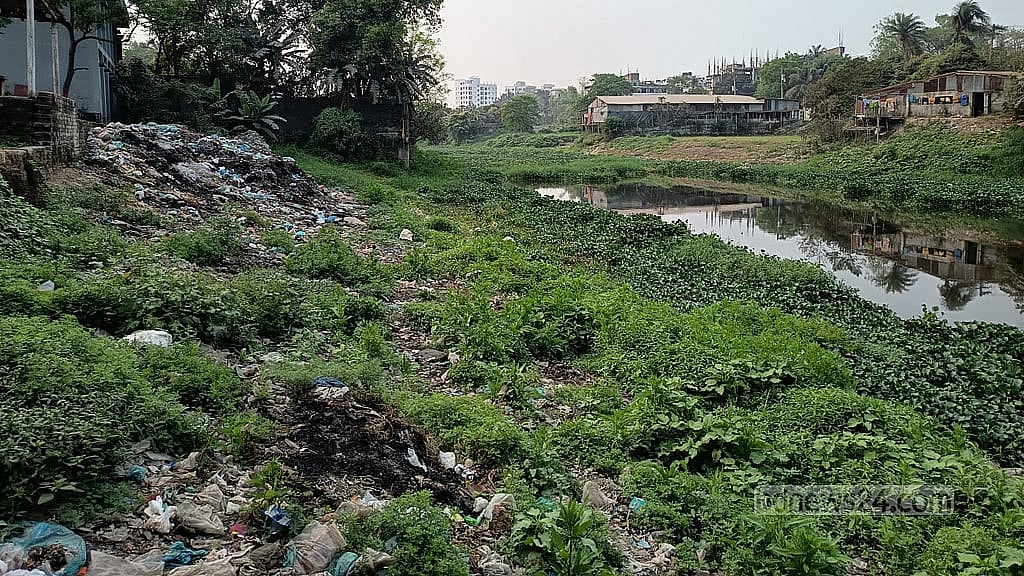
The Joynagar canal, which once connected the Buriganga to the Dhaleshwari, has become a symbol of administrative neglect and local encroachment.
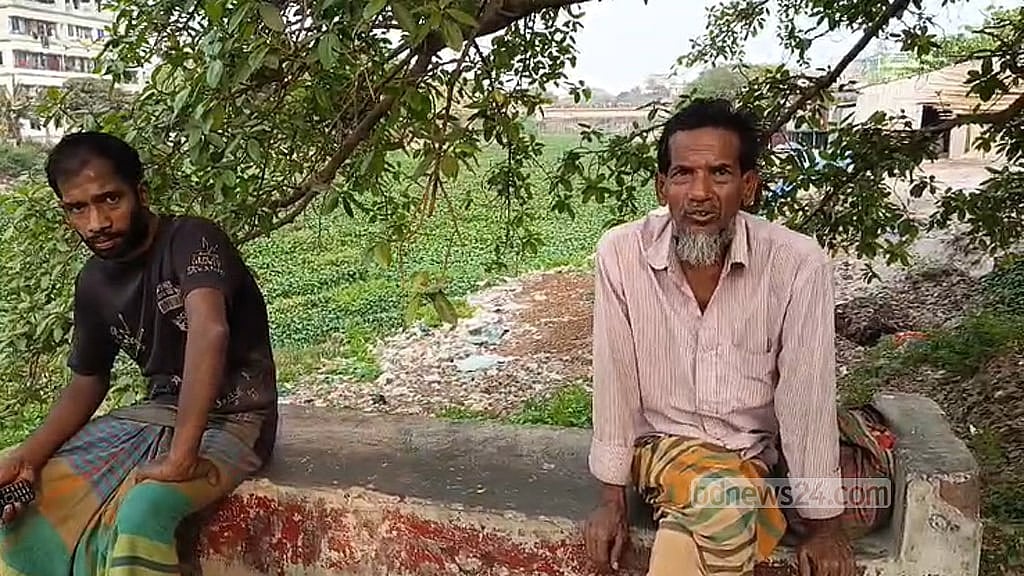
"Ziaur Rahman brought IRRI rice and shallow engines from China. He made things easy for us," recalled 70-year-old Piar Ali, a local garage owner who witnessed the 1977 excavation.
"But after he left, the canal was ruined by those who claimed to follow him. They built sluice gates and houses; they choked it."
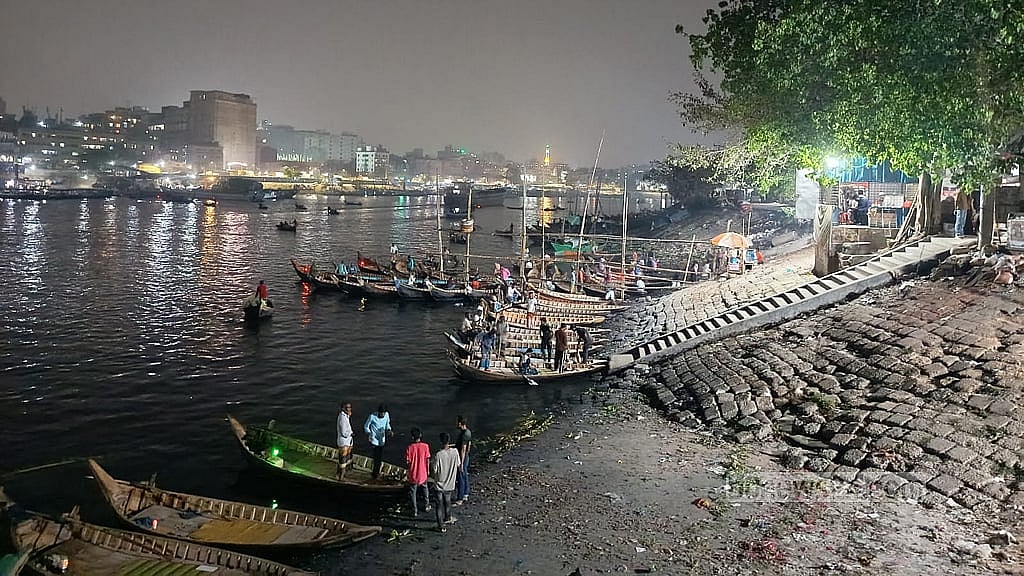
Local residents like 62-year-old Hafizul Hasan remember a time when 100 people would bathe at the Joynagar ghat and boats from Dhaka would dock directly at their doorsteps.
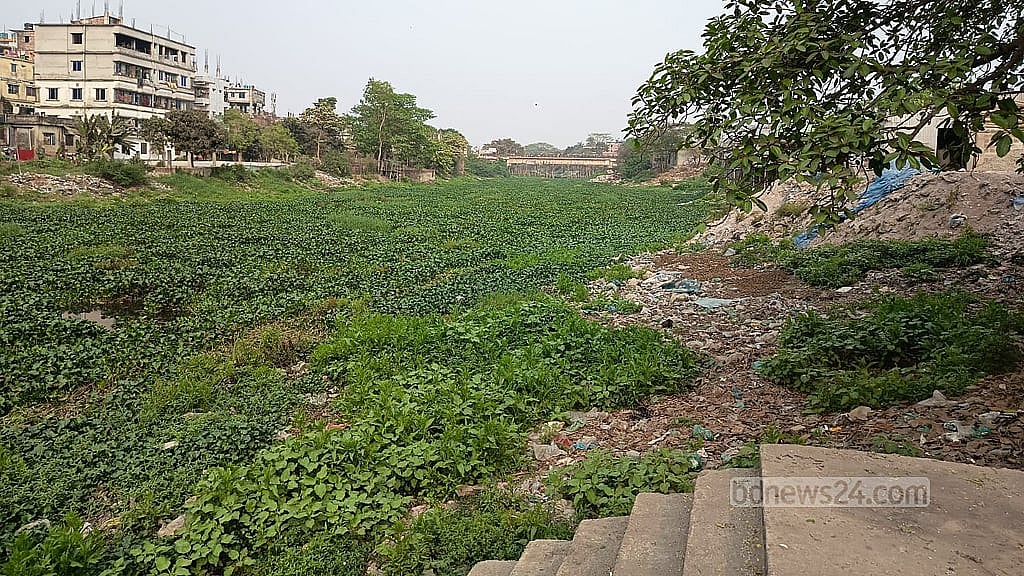
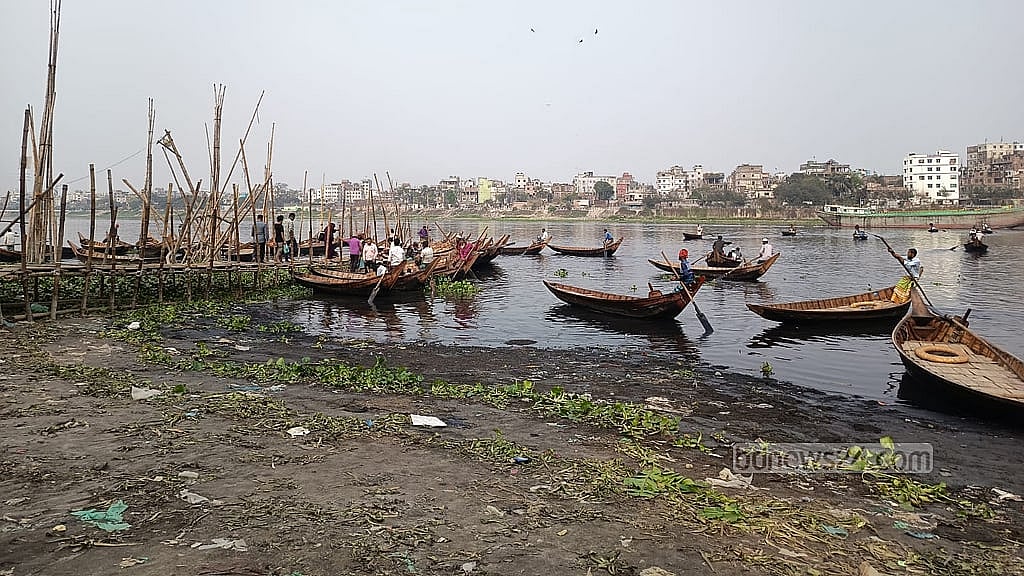
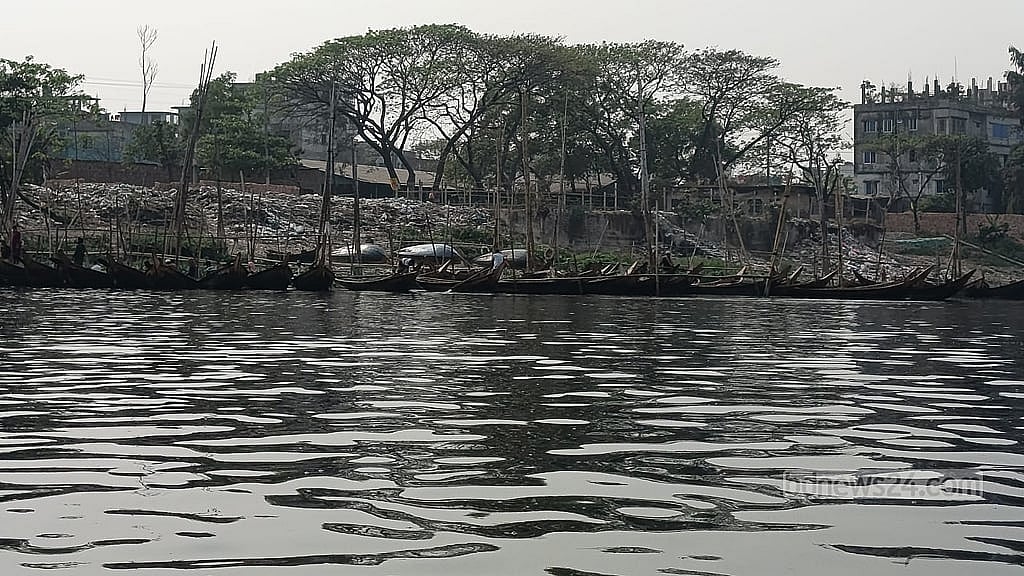
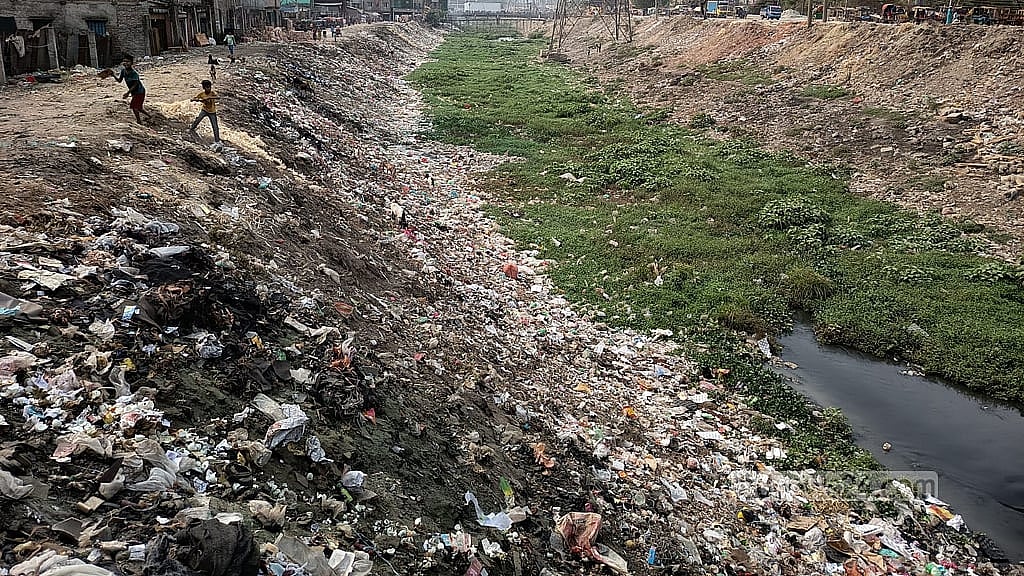
Today, the flow is stagnant, buried under plastic waste, hyacinth, and illegal boundary walls.
Hasan believes stopping the dumping of waste into the canal should be the first step towards restoration.
The revival is already in motion.
Water Resources Minister Shahiduddin Chowdhury Anee recently inspected the site alongside government officials.
On Monday, the prime minister will inaugurate a nationwide programme across 54 districts, starting with the 12.20km re-excavation of the Sahapara Canal in Dinajpur’s Kaharol.
The Ministry of Water Resources has directed all ministers and MPs to be physically present at inauguration sites in their respective regions.
Local coordination will be managed by district administrations and relevant technical bodies, while a special cell established under Prime Minister’s Political Advisor Mirza Abbas will oversee and provide counsel for the entire implementation process.
In its first cabinet meeting, the newly formed BNP government identified this nationwide excavation as a cornerstone of its 180-day priority agenda, aiming to excavate 20,000km of waterways over the next five years to honour an election pledge inspired by the late Ziaur Rahman’s legacy.
The initiative draws on the success of the 1970s, particularly the “Ulshi-Betna” project in Jashore.
During that period, 193 canals covering over 675 miles were excavated, expanding dry-season irrigation from just 10 percent of land to 5.2 million acres and significantly boosting food and fish production.
The Ministry of Water Resources expects the new project to enhance agricultural capacity, increase surface water availability to reduce groundwater dependence, and mitigate drought, flooding, and waterlogging.
However, experts caution that these benefits will be short-lived unless the government addresses encroachment and pollution.
Despite concerns regarding potential corruption or local political interference, ministers have said maintenance and strict oversight will be prioritised to ensure the project’s long-term success.
State Minister for Water Resources Forhad Hossain Azad said the "Nationwide River, Canal, and Reservoir Excavation and Re-excavation" programme will be implemented through the financial coordination of the ministries of water resources, local government, agriculture, and disaster management.
The state minister noted that each kilometre of excavation or re-excavation is expected to cost the water resources ministry at least Tk 2 million.
"This is the potential expenditure for the water resources ministry and the Water Development Board. We are primarily leading this project, though costs for other ministries may vary slightly," he said.
While the project was initially planned using mechanical methods, Tarique has issued directives to increase public engagement.
The prime minister has encouraged authorities to employ labourers alongside volunteers to foster community involvement.
Forhad Hossain told bdnews24.com, "The prime minister has emphasised public participation. He wants manpower to be utilised alongside mechanical equipment, which will also create employment for many families. Volunteers will be appointed alongside paid workers, and the prime minister wishes for BNP leaders, activists, and followers to engage the public in this work."
While dredging and excavation projects were undertaken during the previous Awami League administrations, such initiatives were treated as distinct, high-priority programmes under the governments of Ziaur Rahman and Khaleda Zia.
Sayrul Kabir Khan, a member of the BNP media cell, told bdnews24.com that the government led by the late Khaleda Zia continued Ziaur Rahman’s canal-digging legacy after taking office in 1991, launching projects in several districts in 1992.
"Now, under the leadership of Ziaur Rahman's successor, Prime Minister Tarique Rahman, this historic canal excavation programme is set to resume from Dinajpur on Mar 16," he added.
Before independence in 1971, Bangladesh possessed a navigable waterway network spanning nearly 24,000km.
However, due to the continuous accumulation of silt and sand, this has dwindled to just 4,000km.
According to the 2022 annual report of the National River Protection Commission, citing Bangladesh Inland Water Transport Authority (BIWTA) data, the country’s waterways extend to about 6,000km during the monsoon but shrink to a mere 4,347km during the dry season.
To combat this, approximately 22.67 million cubic metres of soil were excavated under maintenance dredging projects in the 2021-2022 fiscal year alone.
Experts note that while Ziaur Rahman popularised the movement, similar initiatives were undertaken by Sher-e-Bangla AK Fazlul Huq much earlier.
Even during the previous interim government, a project to reclaim 30,000 canals was launched and remains active.
Manjur Ahmed Chowdhury, former chairman of the National River Protection Commission, welcomed the BNP’s renewed focus but stressed the need for systemic change.
"I welcome this project, but we must stop pollution at its source and improve the overall utility of our waterways," he told bdnews24.com.
Manjur identified illegal encroachment as the primary driver behind the destruction of rivers and canals, often involving politically influential figures.
In 2018, the commission identified illegal occupiers across 48 districts.
By 2022, data showed thousands of encroachers across all divisions, with 8,145 in Dhaka, 4,965 in Khulna, and 3,260 in Chattogram, among others.
Despite several eviction drives and 132 ongoing lawsuits in the High Court and local courts, more than 28,000 illegal occupiers remained on record in 2022.
"Compiling a list of occupiers is an arduous task," Manjur remarked. "During my tenure, I took action and recommended measures against many, but the actual enforcement remains inadequate."
On Sept 25, 2023, the National River Protection Commission announced at a seminar that Bangladesh has 1,008 rivers.
However, a draft list published by the Ministry of Water Resources in 2025 revised this figure to 1,294.
Despite the high numbers, environmental advocacy groups -- including Association for Land Reform and Development, Bangladesh Environmental Lawyers Association, and Riverine People -- warned in 2024 that 229 rivers have reached a critical state.
Geographically, Rangpur holds the highest number of endangered rivers (43), followed by Sylhet (42) and Khulna (37).
Beyond rivers, the Commission’s 2022 report identified 4,018 canals nationwide, which the 2013 Water Act defines as essential paths for water inflow and outflow.
Manjur Ahmed told bdnews24.com that re-excavation alone is insufficient.
"We must ensure maintenance, expand bridge spans, and clear water hyacinths from all reservoirs," he said.
While the Water Development Board dredges large rivers, Manjur urges the government to include smaller rivers in reform plans to create cost-effective transport routes.
He also expressed concerns over the shift from mechanical dredging to manual labour:
"Using manpower instead of dredgers could invite chaos. There may be political motives involved, and managing this will be a challenge for the government," he said.
In response, State Minister Forhad said the government is actively building public awareness.
"Many who encroached on land are now voluntarily vacating. We are highlighting the potential for fish and duck farming," he said.
The minister also revealed a target to plant 250 million trees over the next five years, specifically along re-excavated canals, though he noted that farmers' concerns regarding trees near paddy fields would be taken into account.
Within the BNP, the programme is seen as a way to leverage Ziaur Rahman’s legacy to build trust in the new leadership.
However, local leaders cautioned that the project's success hinges on curbing potential extortion and official corruption.