Published : 06 May 2018, 06:01 PM
Updated : 08 Apr 2022, 03:06 PM


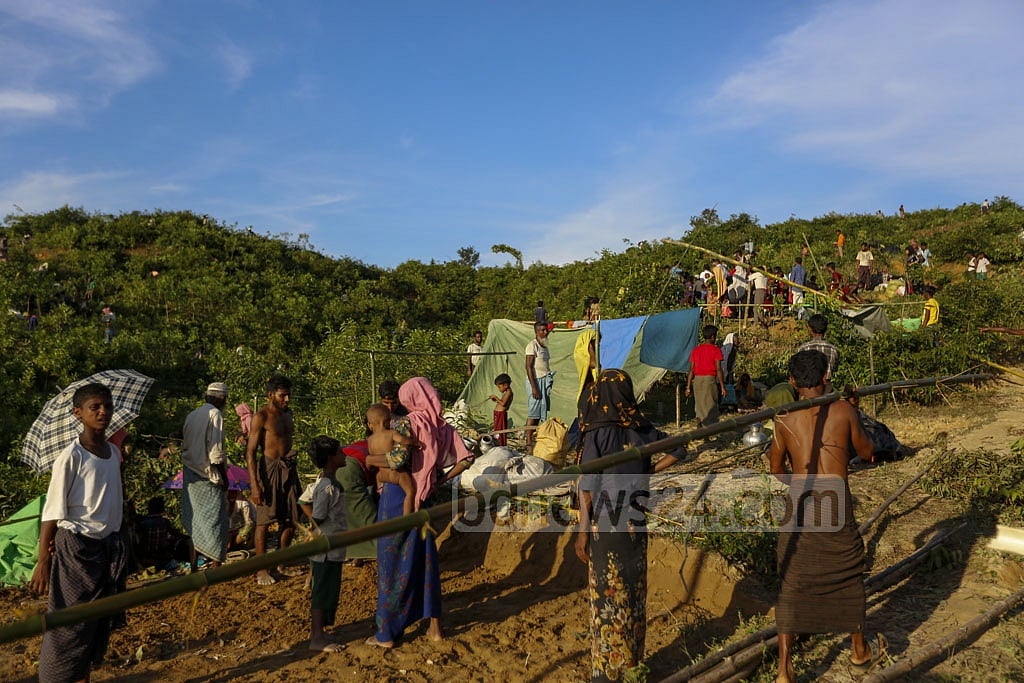
This is a second cholera vaccination campaign being held for the Rohingyas and their host communities to prevent any potential outbreak during the ongoing monsoon season. It was launched on Sunday.
Earlier, 900,000 doses of oral cholera vaccine were administered to the vulnerable population in two phases in October-November last year after the exodus began in late August following a military crackdown in the Rakhine State which is described by the UN as ‘ethnic cleansing’.
“Considering the water and sanitation conditions in the overcrowded camps and the increased risk of disease outbreaks in the monsoon season, the health sector is taking all possible measures to prevent cholera and other water and vector borne diseases,” Dr Bardan Jung Rana, WHO representative to Bangladesh, said in a statement.
As many as 245 mobile teams have been deployed to vaccinate all people over the age of one year in refugee camps and host communities in Ukhiya and Teknaf sub-districts during nearly week-long campaign led by the Ministry of Health and Family Welfare, with support from the WHO, UNICEF and icddr,b and other partners.
“We have managed to prevent the cholera outbreak since the first campaign in October last year, but floodwater, storms and landslides in the monsoon season could damage water and sanitation facilities in the camps, increasing the risk again of an outbreak of this dangerous disease,” said Edouard Beigbeder, UNICEF Representative in Bangladesh, said.
“We have to take all initiatives to address the risk, including preventive measures through vaccination.”
The oral cholera vaccines have been made available through the Inter-Agency Coordinating Group with members from WHO, UNICEF, Médecins sans Frontières and International Federation of the Red Cross. The vaccines and supplies are financed by Gavi, the vaccine alliance.
“This vaccination campaign is a part of the ongoing efforts of the government and the health sector partners to protect nearly a million people, including at least 135,000 Bangladeshis, who have been affected by the influx since last year,” said Prof Abul Kalam Azad, director general for health services.
WHO said in addition to vaccination, consistent efforts are being made to improve access to clean water and sanitation and promote hygiene. UNICEF has been scaling up interventions and communication on safe practices.
The WHO has raised an early warning, alert and response emergency surveillance system is monitoring water quality and working with the Department of Public Health Engineering to enhance local laboratory capacity.
“Both WHO and UNICEF have prepositioned life-saving supplies to ensure rapid response to any outbreak.”