


Published : 07 Dec 2015, 12:01 AM
Updated : 19 Oct 2022, 07:05 PM


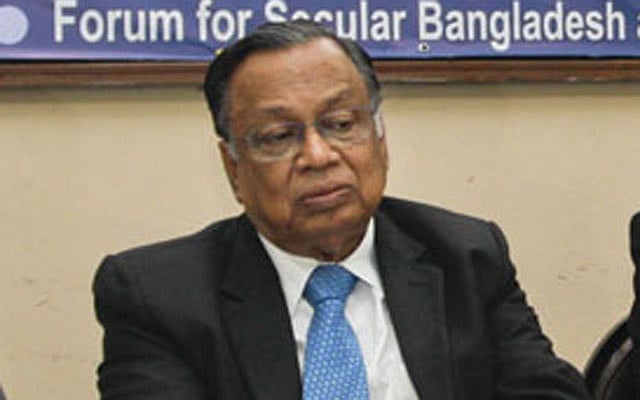
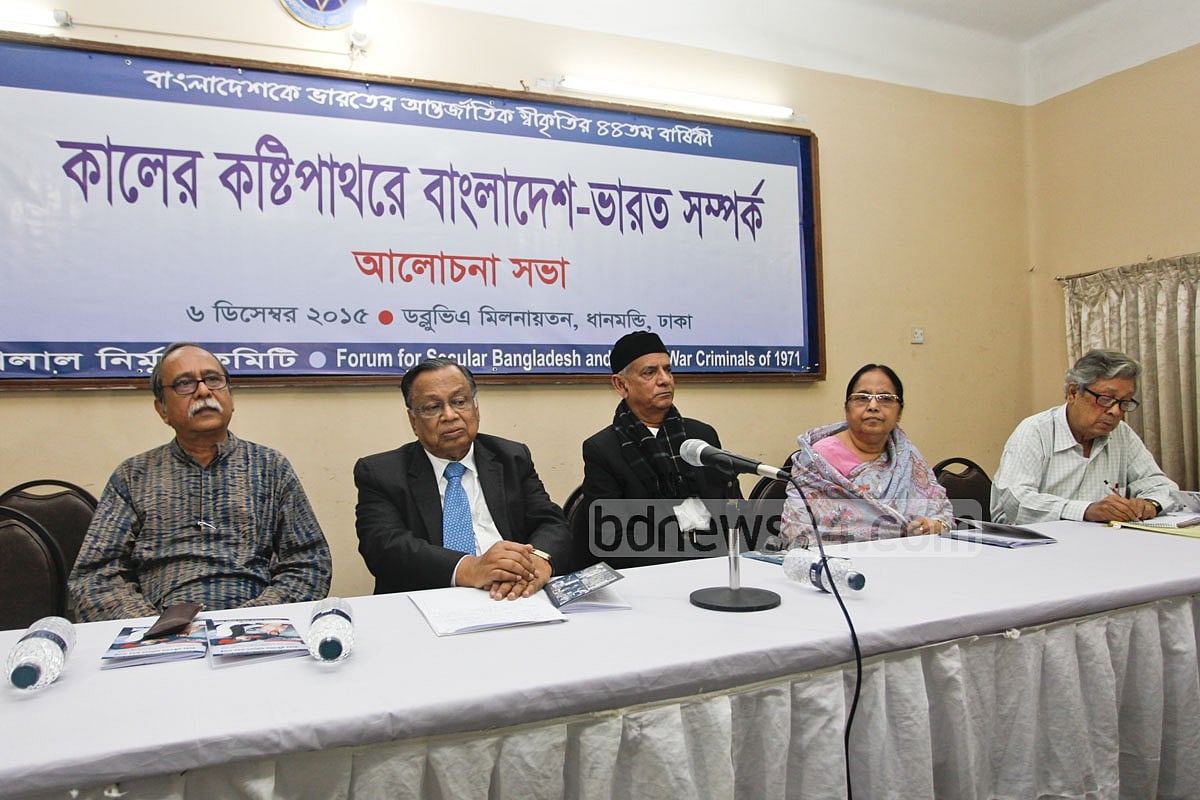
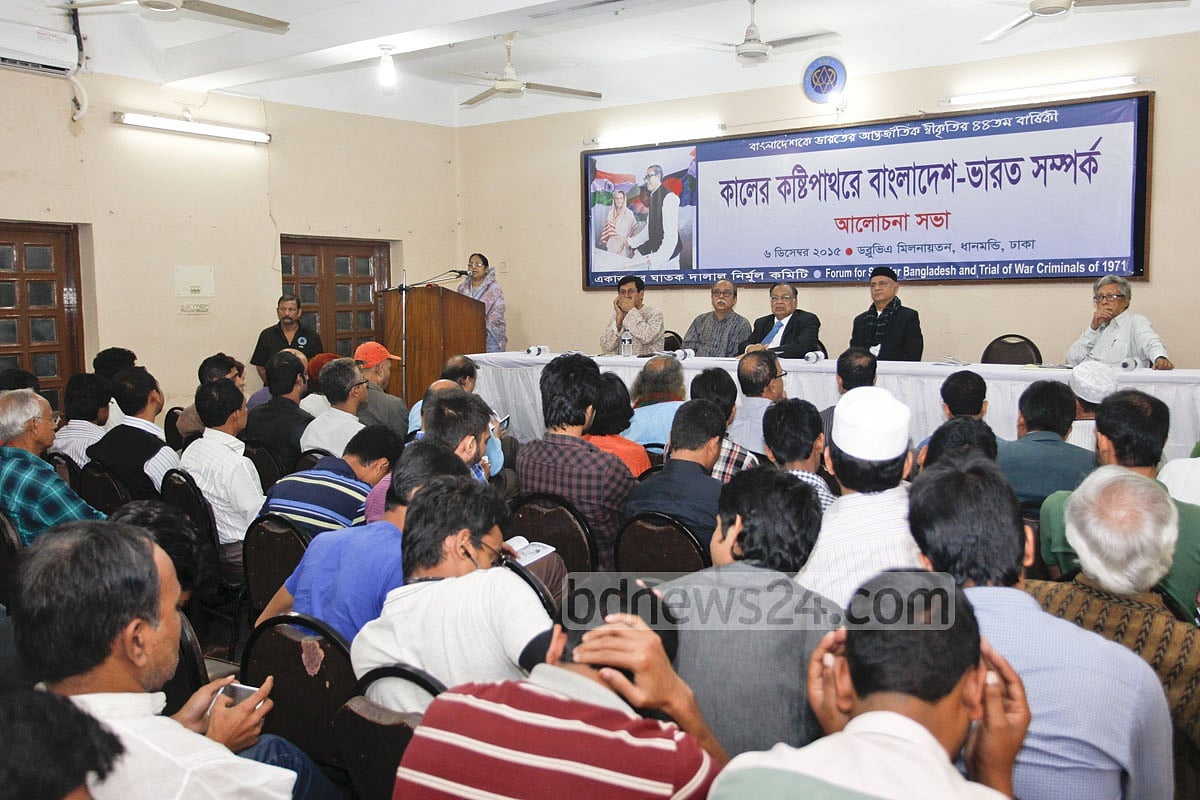
“We are obviously assessing and evaluating our relations with them. We are thinking of our next move,” he said, adding that diplomatic relations is a ‘continuous process’.
“Former military ruler and president of Pakistan Parvez Musharraf had apologised, though his language was not strong. Independent human rights activists such as Asma Jahangir and journalist Hamid Mir later addressed this issue.
“Also, Hamoodur Rahman Commission Report mentioned this matter,” Foreign Minister Ali said.
The minister spoke on the issue at a discussion in Dhaka on Sunday.
Pakistan, in an official reaction after the executions of war criminals Salauddin Quader Chowdhury and Ali Ahsan Mohammad Mujahid last month, said it was “deeply disturbed” by this development.
After that, Bangladesh registered a strong protest against Pakistan’s “brazen interference” in the war crimes trials by summoning the latter’s high commissioner in Dhaka.
A week later, Pakistan’s foreign ministry summoned the acting high commissioner of Bangladesh in Islamabad and rejected Dhaka’s ‘baseless and unfounded assertions’.
In a statement, it also rejected the ‘insinuation of complicity in committing crimes or war atrocities’ that took place during Bangladesh’s 1971 Liberation War. “Nothing could be further from the truth,” it said.
Their denial led to strong protests from pro-liberation war organisations including Sector Commanders Forum and Ganajagaran Mancha.
The call for severing all ties with Pakistan also rose after that.
Foreign Minister Mahmood Ali on Sunday said Pakistan had earlier ‘admitted’ that mass killings and genocide occurred during the war.
He also said the war criminals, specially Jamaat-e-Islami and BNP, have major financial backing. “They spent a lot of money across the world, but could not do anything. They also failed to create international opinion (against the war crimes trials).”
Ali said not all European countries had opposed the trials held by Bangladesh’s war crimes tribunal.
The resolution adopted in European Parliament did say that there were some problems with the trials, but the families of the victims of 1971 were getting justice.
The minister said the US had also become flexible in its position regarding the war crimes trials.
“US Ambassador-at-Large (for War Crimes) Stephen Rapp during his Bangladesh visit in August last year saluted the judges. He met them and later said positive things about them.”













