


Published : 16 Dec 2018, 10:18 AM
Updated : 19 Oct 2022, 02:25 PM


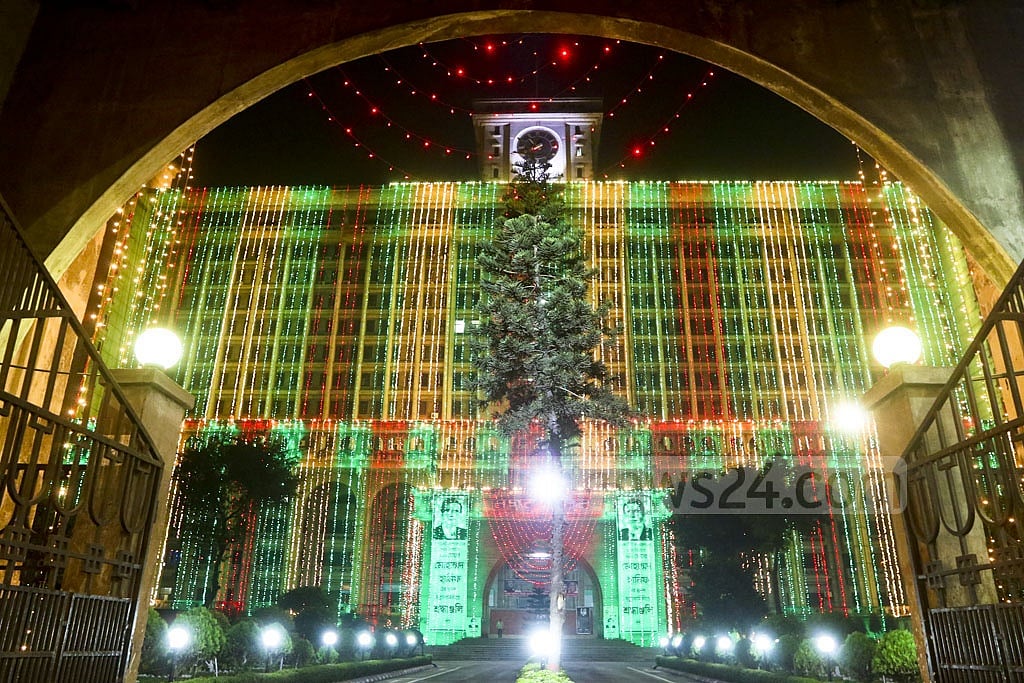
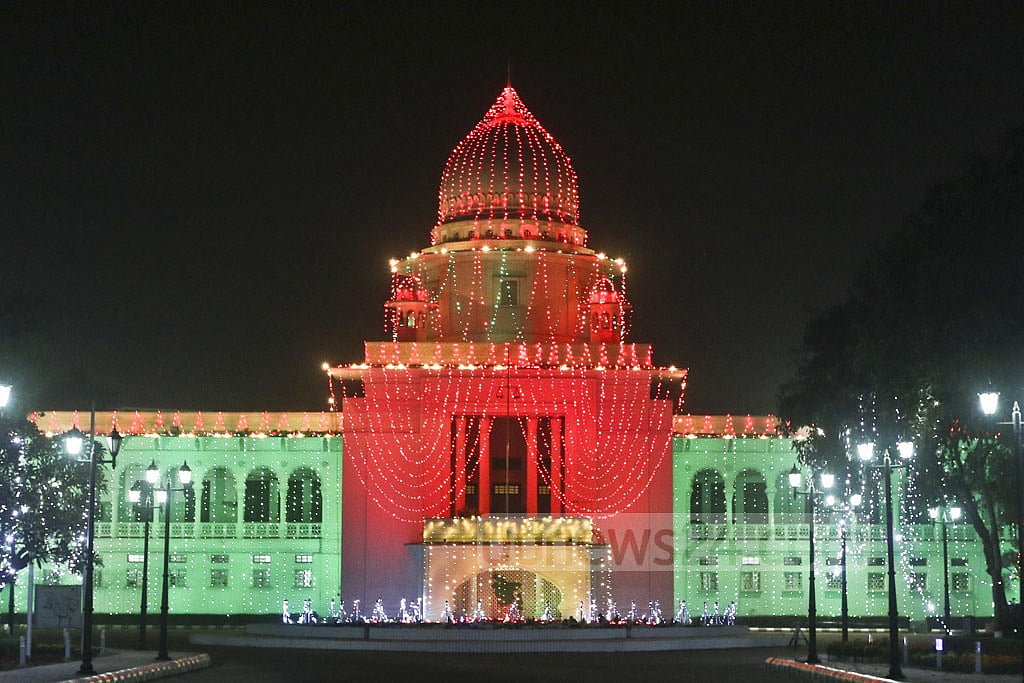
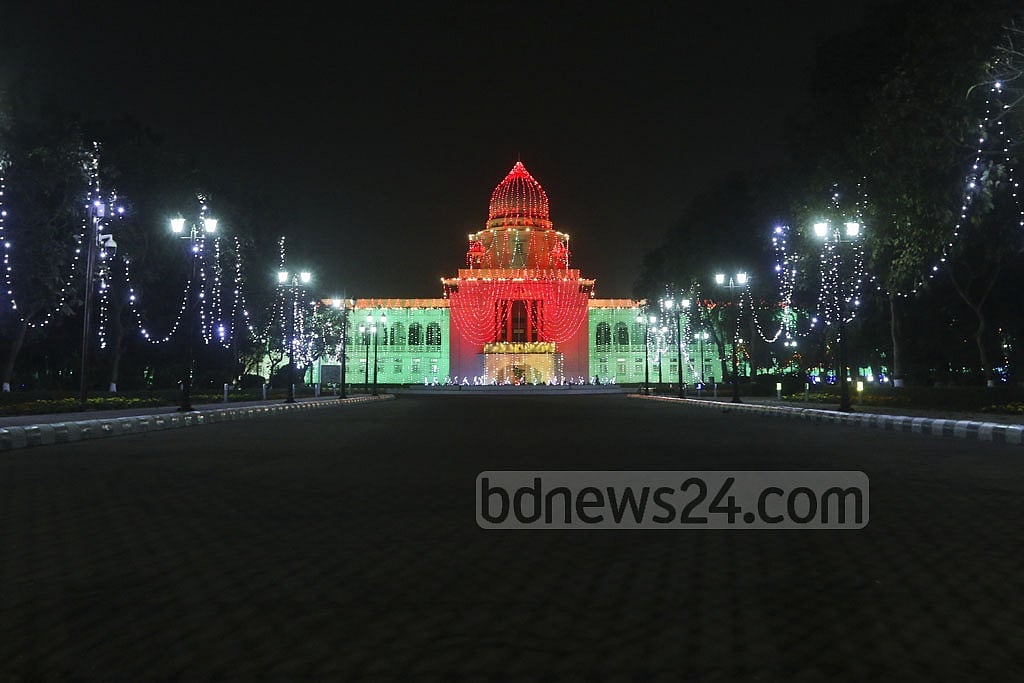
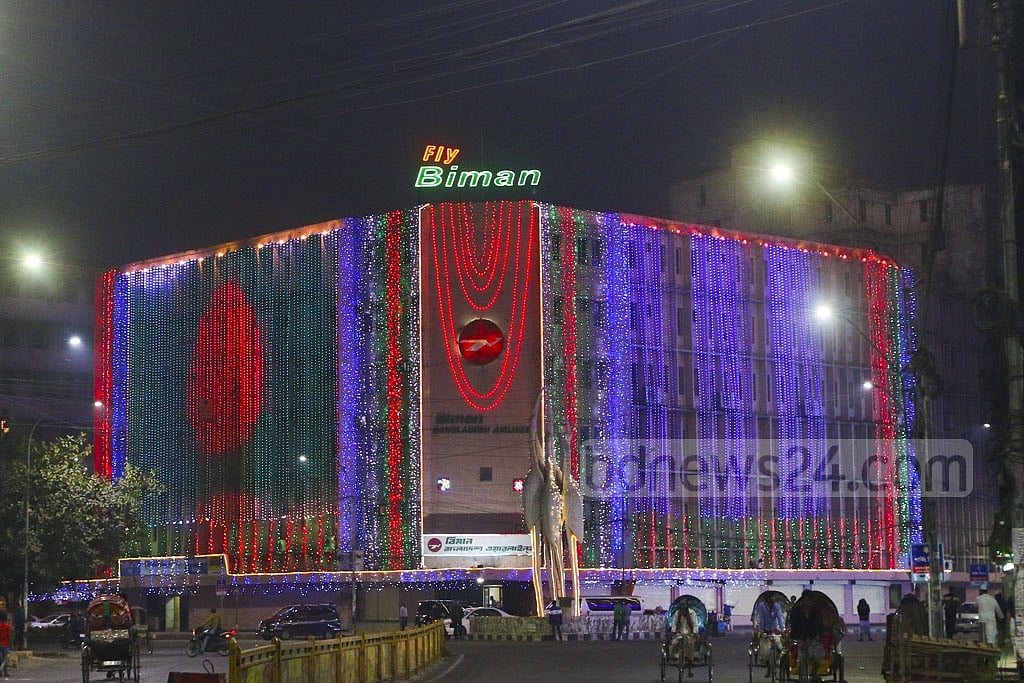
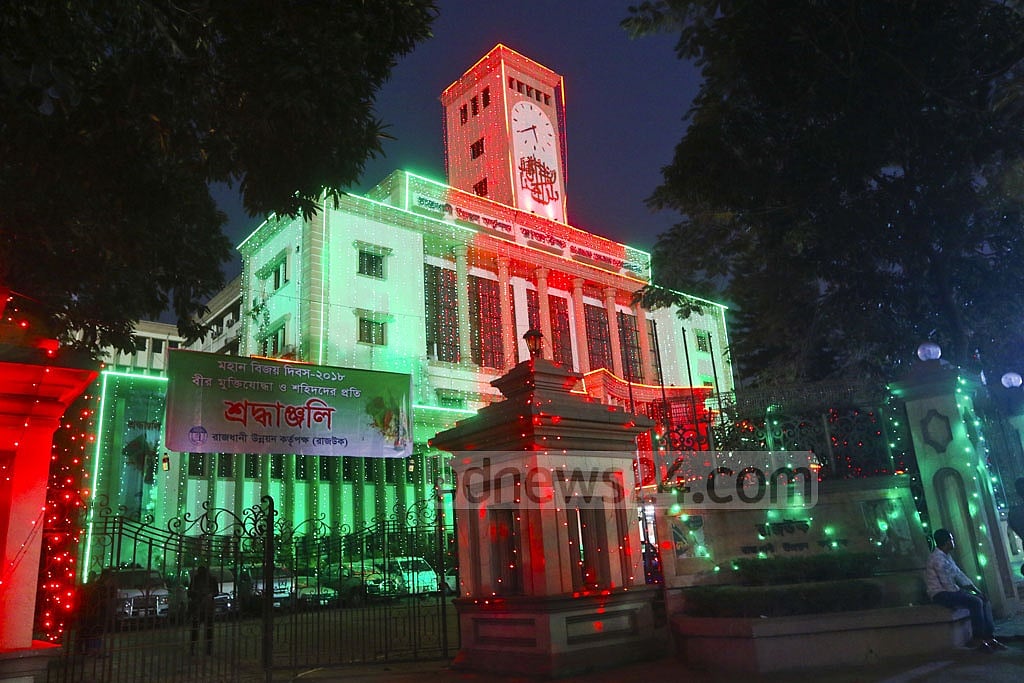
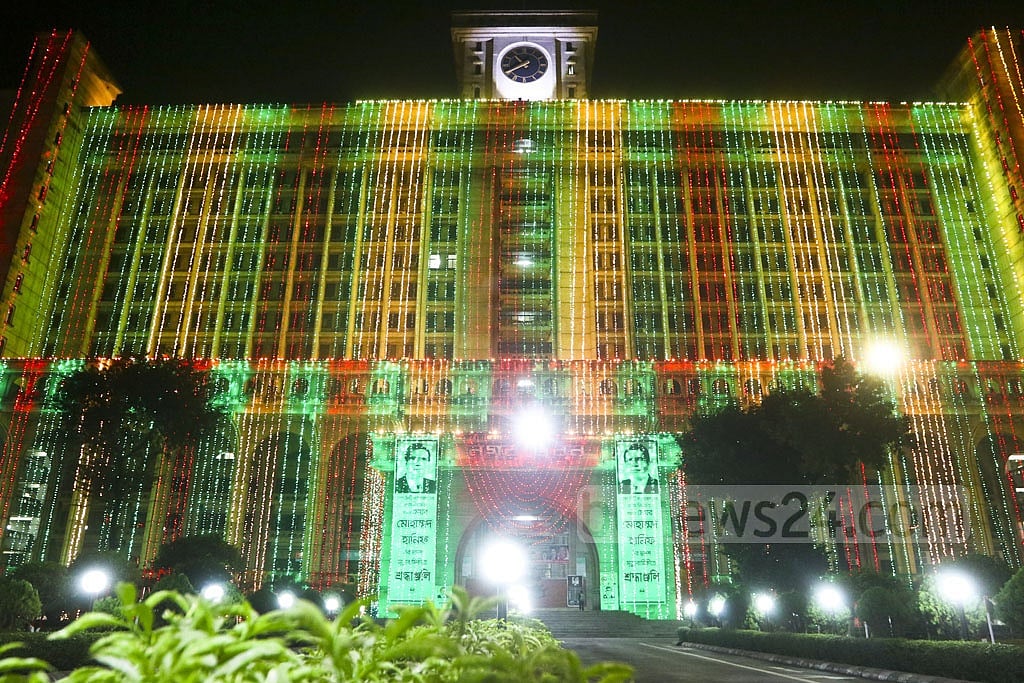
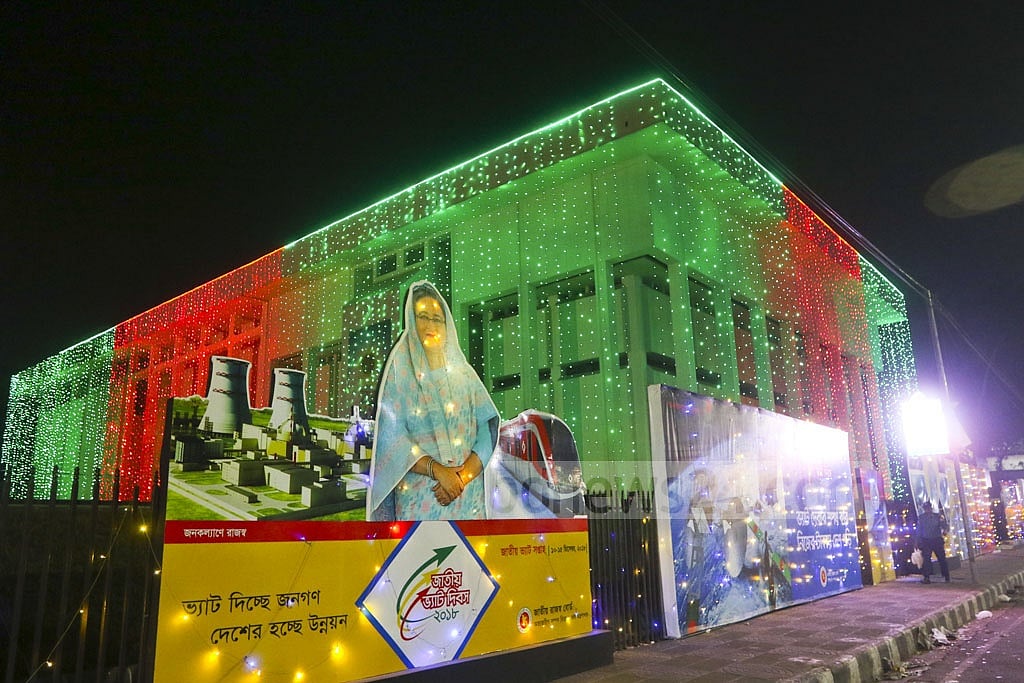
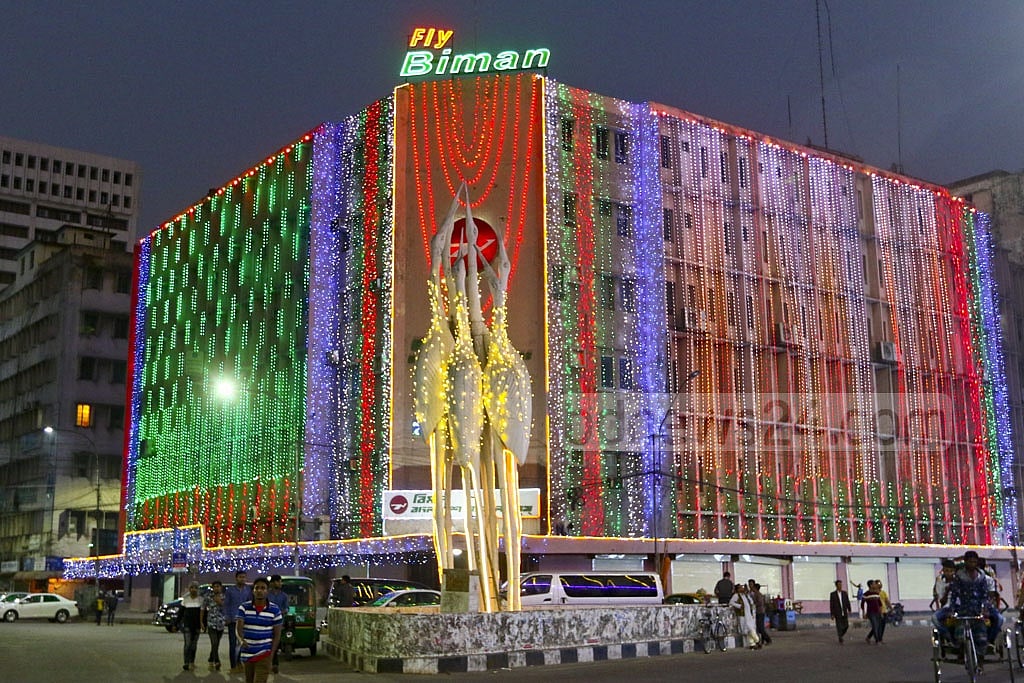
On Dec 16, 1971 Pakistan surrendered and Bangladesh had emerged as a new country, ending the decades-long rule of West Pakistan.
The victory was hard won after millions of Bangladeshis faced bloodshed, torture, deprivation and persecution.
The country has moved forward since those days. Those who insulted Bangladesh by calling it a ‘bottomless basket’ have begun applauding the country for its achievements in development. Bangladesh—a country once known for its poverty and natural disaster has graduated to the list of developing countries.
On Victory Day President Abdul Hamid and Prime Minister Sheikh Hasina urged the nation to work together to continue the prosperity.
“There is no alternative to working together, irrespective of political party or philosophy, if we want to offer our people the advantages of the freedom earned by the sacrifice of millions of martyrs,” President Abdul Hamid said in his message to the nation marking the occasion.
“I urge the people of the country to contribute more from what they have to propel the country towards prosperity and realising the spirit of the Liberation War.”
This year Victory Day has a slightly different tone as Bangladesh prepares to pick its leaders for the next five years within two weeks. But the threat of violence and uncertainty lingers over the possibility of a free and fair election.
In her Victory Day message, Prime Minister Sheikh Hasina urged the people in the country to work together in the light of the spirit of the Liberation War and continue the democracy and development in Bangladesh.
“Let us all pledge to engage ourselves in the welfare of the nation; let this be our oath on Victory Day in 2018,” she said.
“Today, Bangladesh has become a global role model for development. It is one of the five countries in the world showing economic advancement and we have done 90 percent of it with our own funds,” said Sheikh Hasina.
“The people have been receiving the advantage of this development at the grassroots level in the 10 years the Awami League government has been in power. Bangladesh is moving forward and it will continue to do so. The next generation will have a prosperous Bangladesh.”
The prime minister pledged in her message to make the country poverty-free and attain middle-income country status by 2021, alongside a promise to achieve developed country status before 2041.
Political analysts had doubted the sustainability of the Pakistan that emerged in 1947 based on the ‘two-nation’ theory, but it was the persecution and deprivation faced by East Pakistanis that ignited the people’s desire for freedom.
The West Pakistan attempt to stifle this urge by force and a war broke out in 1971.
The people in Bangladesh joined the war after Bangabandhu Sheikh Mujibur Rahman called for an armed protest following the genocide on Mar 25, 1975. Different countries, including neighbouring India, came forward to help Bangladesh.
The collaboration forces of the Pakistani occupation played a role in the assassination of Bangabandhu just four years after independence.
But Bangladesh has begun trying those collaborators. Some of them have been hanged.
VICTORY DAY PROGRAMMES
On Sunday the nation will remember the three million martyrs who sacrificed their lives for the independence through different programmes.
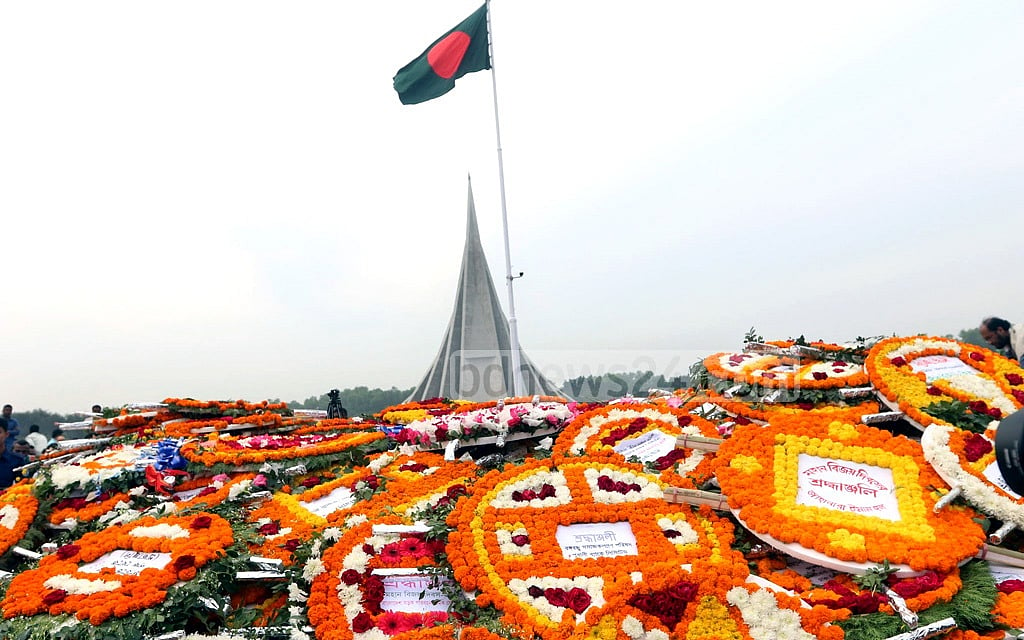
The Bangladesh flag will be hoisted at government, semi-government, non-government and residential buildings as people will pay their respects at the memorials across the country, including the National Martyrs’ Memorial in Savar.
The Victory Day programme will begin at Sher-e-Bangla Nagar with a 31-gun-salute at the National Parade Square.
Soon after sunrise the president and the prime minister will pay their respects to the martyrs of the Liberation War at the National Martyrs’ Memorial in Savar by placing wreaths.
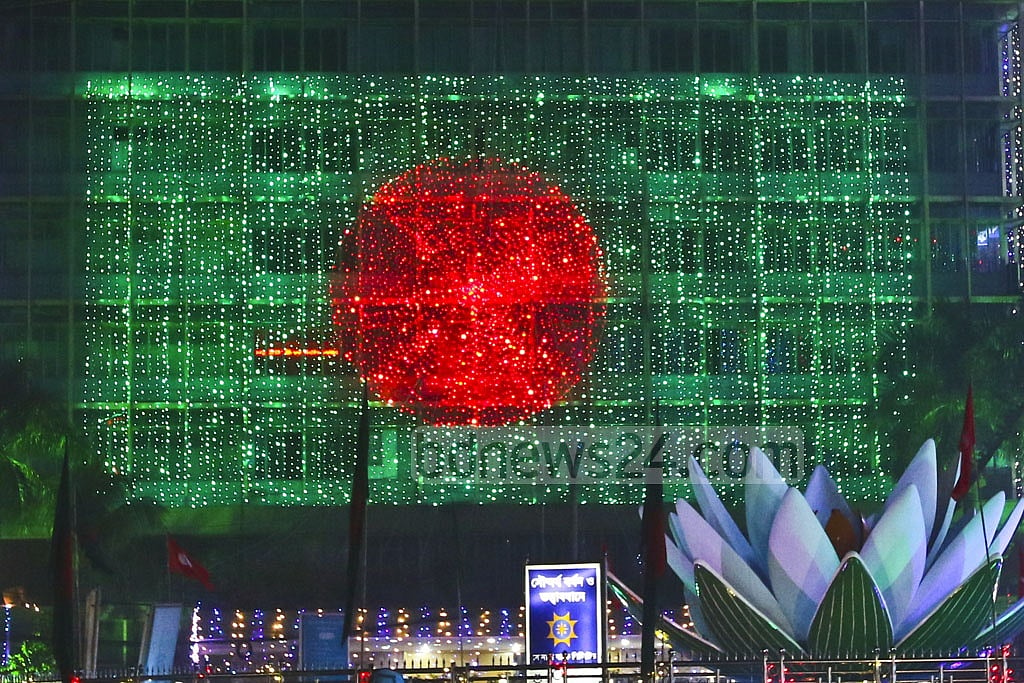
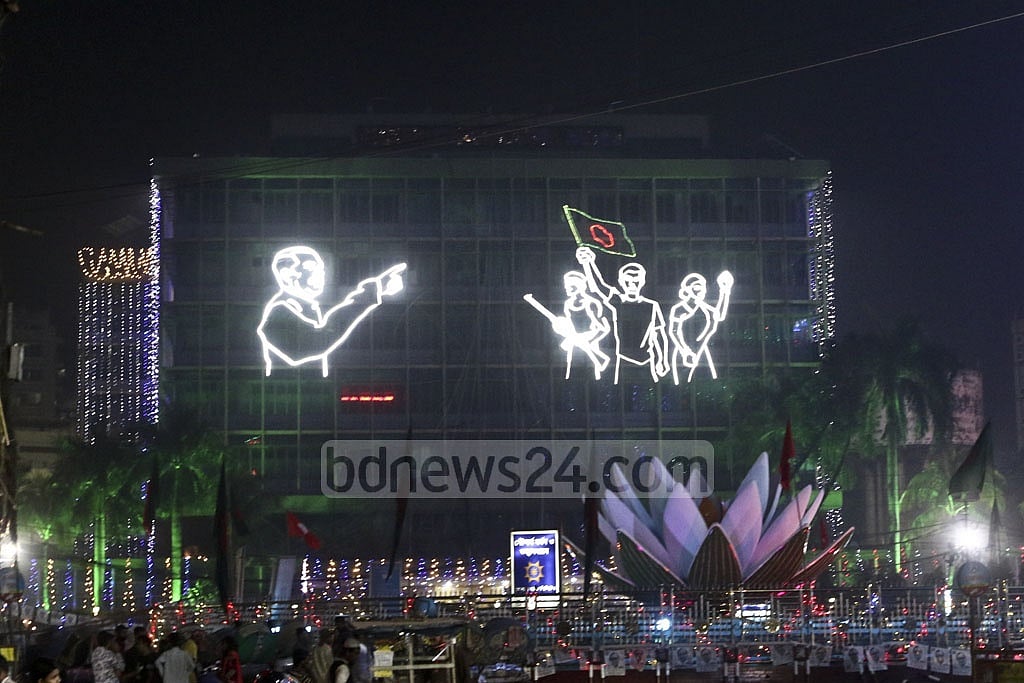
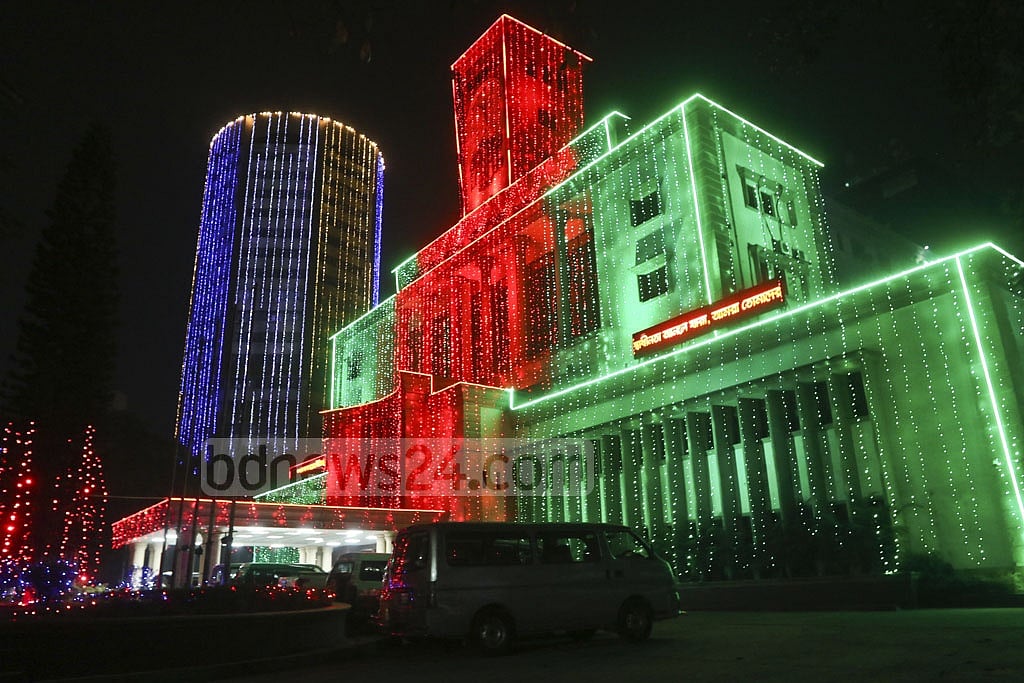
The main thoroughfares of the capital and other cities will be decorated with the national flag.
Special prayers will be offered in mosques, temples, pagodas and other places of worship for the departed souls and the country's peace, progress and prosperity.
Newspapers will publish special supplements marking the day while televisions and radio stations will broadcast special programmes.
Bangladesh Shilpakala Academy, National Museaum, Bangla Academy, Liberation War Museum, Bangladesh Shishu Academy and other social and cultural organisations have arranged discussions, cultural programmes, exhibitions, essay writing competitions and sports competitions on the occasion.
This year there will be no parade of combined military forces at the national Parade Square but parades will be held in the districts and upazila levels.
The authority has barred posters, banners, festoons and the set up of archways from Gabtali to the National Memorial in Savar and asked everyone to keep the sides of roads clean.













