Published : 30 Oct 2026, 02:25 AM
Updated : 30 Oct 2026, 02:25 AM


The Sundarbans’ waterways are showing a mixed picture: at least six fish and aquatic species are declining, while nine are on the rise. A two-year assessment has mapped their changing fortunes, warning that illegal fishing, the capture of juveniles and environmental pressures threaten the mangrove forest’s aquatic wealth.
The findings offer a detailed snapshot of pressures beneath the forest’s surface.
Researchers say the overall picture remains broadly stable, with increased freshwater flow helping some species. But they are urging tighter controls on catches and fishing methods to prevent vulnerable stocks from dwindling further.
The study, Assessment of Aquatic Resources of the Sundarbans, was led by M Enamul Haque, a former director of the Bangladesh Fisheries Research Institute, with eight other researchers. It examined the status of around 15 fish and shrimp species.
“Our main task was to determine the current state of fish, the size of their stocks, the threats they face and how they should be managed in future. We found that large species, such as Bhetki, were once more abundant, but smaller species have become somewhat more common,” Haque said.
He said the research had formally identified seven species for the first time through DNA barcoding.
“We analysed the stock status of around 15 fish and shrimp species. At least six are declining, which is worrying. The remaining species are at tolerable or stable levels. To protect those in decline, the Forest Department could impose new restrictions on net mesh sizes or catches,” he said.
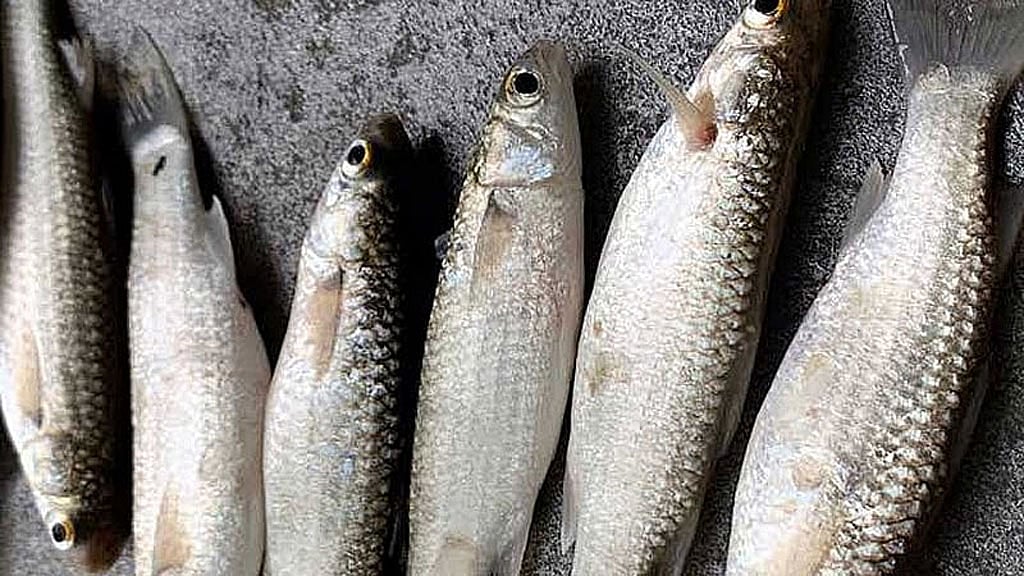
Stocks of these species are rising: Aluya/Amadi, Parshe, Bhetki/Koral, Poa, Datina, Gagora Tengra, Pangas, Harina Shrimp and Chaka Shrimp.
Those declining are Payra/Chitra/Bishtara, Nona Tengra, Kain Magur, giant freshwater prawn, tiger shrimp and mud crab.
Where Fishing Pressure is Highest
The researchers have recommended targeted controls to prevent further depletion:
• Excessive Bhetki fishing has been reported in the Satkhira range. Measures should include lower catch quotas, seasonal bans during breeding periods and protection for juveniles.
• Pangas stocks are under pressure, particularly in Khulna and Sharankhola. Similar safeguards are needed.
• Gagora Tengra is being overfished in Sharankhola. Sustainable harvesting strategies and stricter controls are needed in the Satkhira and Chandpai ranges.
• Kain Magur is also being overfished. Early signs of decline make regular monitoring essential.
• Mud crab is being harvested excessively, calling for tighter controls.
• Giant freshwater prawns and tiger shrimp show signs of overfishing, and catches should be firmly restricted.
• Amadi, Parshe, Poa, Datina, Harina Shrimp, Chaka Shrimp and other species remain within safe limits.
The Arannayk Foundation and the Centre for Natural Resource Studies carried out the research under the Forest Department’s Protection of Sundarbans Mangrove Forest Project.
It considered aquatic-resource management, fish biodiversity, mollusc resources, stock assessments, DNA classification, non-fish species, climate impacts and policy and regulatory measures.
Seven New Records, 382 Species Overall
The survey recorded seven fish species not previously documented in the Sundarbans. Researchers found about 261 species during the two-year study; combined with earlier research, the total number of fish species recorded in the forest now stands at around 382.
“Seven fish species that had not previously been recorded in the Sundarbans were found. But this is only one part of our work. In the two-year study, we found about 261 fish species. Combining our findings with earlier research, information is now available on around 382 fish species in the Sundarbans,” Haque said.
The newly recorded fish include Dermogenys burmanica, Butis humeralis, Acentrogobius viridipunctatus, Crenimugil seheli and Planiliza macrolepis. Two shrimp species were also documented: Nematopalaemon tenuipes and Cloridopsis scorpio.
Poison Fishing Poses the Biggest Threat
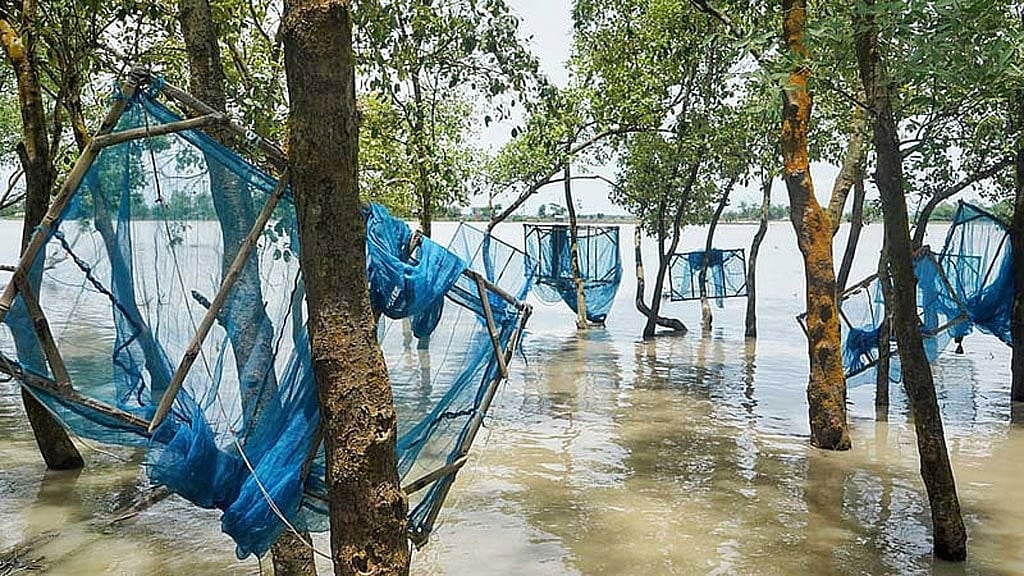
Experts say one of the most damaging practices is spreading poison in creeks to kill fish. Collecting fry and larvae also causes serious harm. Fishers often keep only the target species and discard other tiny aquatic creatures, which then die.
Mohammad Zakir Hossain, a former regional director of the International Union for Conservation of Nature and team leader of the ongoing Ecological Monitoring of Sundarbans project, said fish were vital to the livelihoods of people who depend on the forest. Their economic importance made sustainable production essential.
“Tree felling in the Sundarbans has now stopped. Fish have become one of its main economic resources. To sustain them, illegal fishing, poisoning fish and catching juveniles must stop. Effective drives against illegal fishing, protection of breeding conditions and measures to increase production are essential to rebuild stocks,” he said.
Hossain said stopping poison fishing and strengthening routine monitoring should be immediate priorities, alongside effective enforcement and the protection of breeding habitats.
Imran Ahmed, the Forest Department’s conservator for the Khulna region, said regular oversight of the Sundarbans was continuing. A final workshop would be held before the report was published.
“We will propose implementing the new recommendations emerging from this study. Research reports of this kind are sent to the government, after which the ministry issues the necessary directives,” he said.
Haque said fish stocks in the Sundarbans were broadly satisfactory, but human pressure, climate change and the needs of forest-dependent communities remained concerns. Poison fishing, he said, was the most pressing threat.
“Without this, overall fish production is at a stable level,” he said.
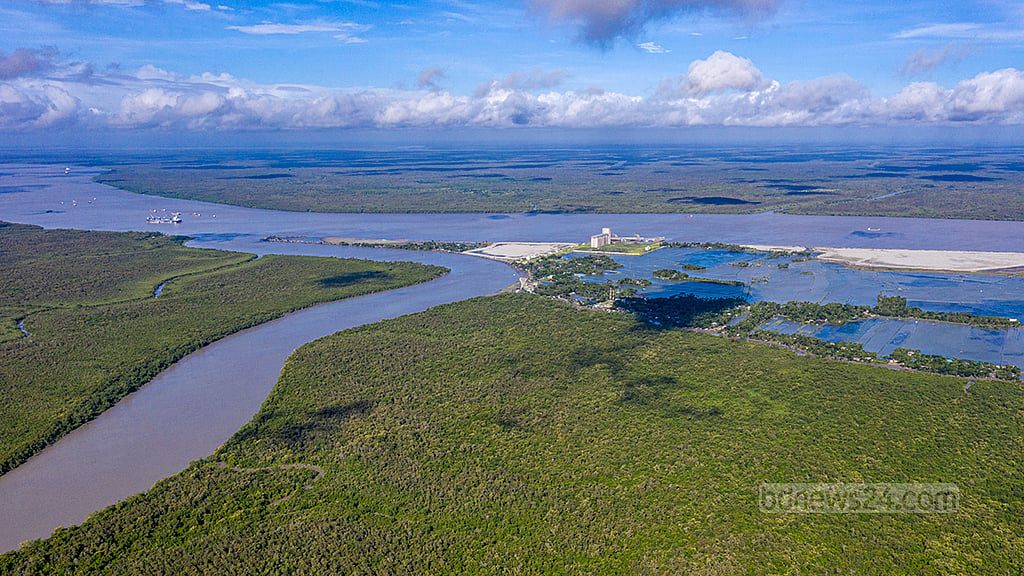
Rising coastal temperatures can alter fish physiology, while reduced freshwater flows also affect species distribution. The Sundarbans has three ecological zones: freshwater, brackish and highly saline.
In Bagerhat, freshwater fish are becoming more abundant, while some salt-tolerant species are changing in number.