Published : 17 Nov 2026, 02:01 AM
Updated : 17 Nov 2026, 02:01 AM


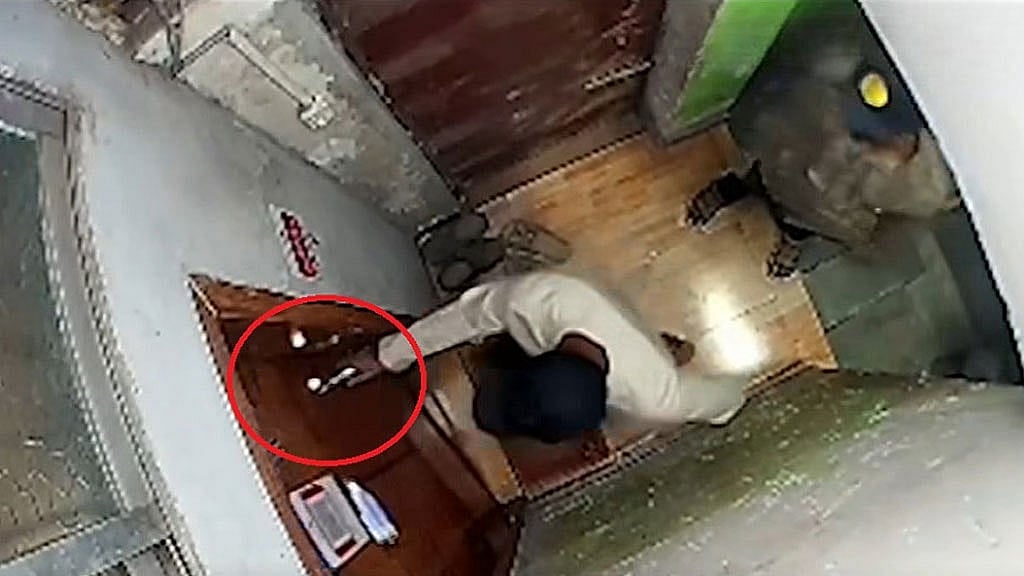
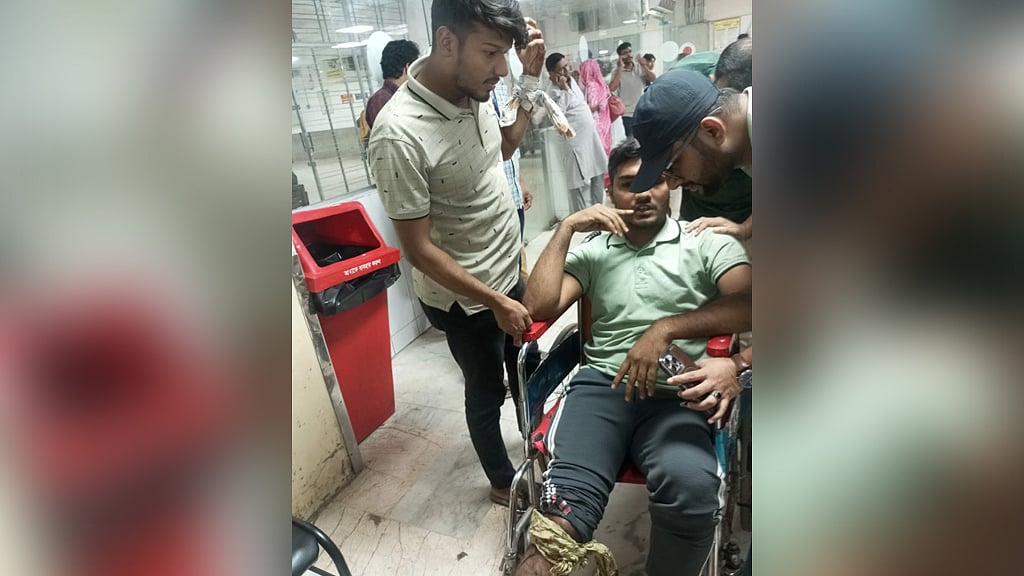
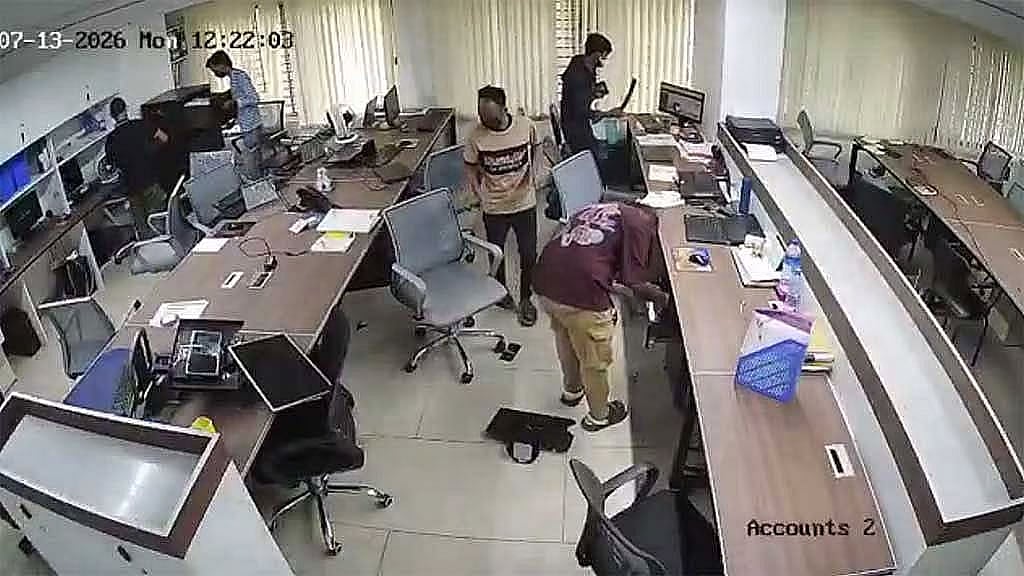
For four months, a gang had threatened an internet service provider in Dhaka’s Rampura, demanding protection money. On Sunday evening, four young men stormed its office and opened fire, wounding two employees.
The manager of Speed Touch Network and Technology, Mohammad Palash, said the gang had demanded Tk 1 million upfront and Tk 100,000 a month.
The attack has alarmed the industry, recalling violence in Dhaka’s cable television business.
The Internet Service Providers Association of Bangladesh (ISPAB) says it receives around a dozen complaints every month about extortion threats and attacks. It can only support victims and protest.
Since the BNP formed the government in February, internet companies in Dhaka, Chattogram and elsewhere have reported several extortion-related attacks.
In July, the office of Digital Dot Net in Chattogram’s Bakalia Road was attacked and looted. Dot Internet’s head office in Dhaka’s Lalmatia was attacked on Jun 9.

‘They Came in and Started Shooting’
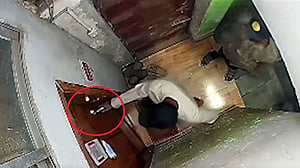
Palash said the threats began in July. Around 7pm on Sunday, four men entered the office and opened fire.
“They came in here and did not say a word. They were abusing us for not paying the money and shooting.”
Palash said two masked men had delivered the first demand by phone.
“They said, ‘We are men of Gunja Badshah bhai’. They gave us 24 hours. Then, in early October, they came again and threatened us.”
It had reported the threats to ISPAB. After a long spell without trouble, the company thought the matter had been dealt with.
“We did not take it very seriously. After what happened on Sunday, we believe the attack was over that extortion demand,” Palash said.
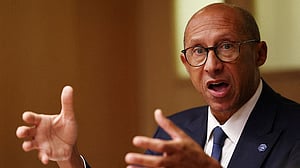
ISPAB President Aminul Hakim said: “We receive around a dozen such complaints every month. But we cannot do the policing. What we do is try, together with all the business owners, to provide some security to the affected business.”
Turf Wars Turn Deadly
On May 25 last year, local BNP leader and internet businessman Kamrul Ahsan Sadhan was killed in Badda.
On Jul 24 this year, Jubo Dal activist Mohammad Yusuf, 45, was killed in Mirpur and two others were shot. Yusuf was not the intended target of the attack, according to investigators.
Industry figures say smaller attacks and threats continue, with many operators choosing compromise to avoid trouble.
‘How Many People can Businesses Pay?’
Bangladesh had 137.8 million internet subscribers in September 2026, according to the Bangladesh Telecommunication Regulatory Commission. Of these, 15.5 million used internet service providers and public switched telephone network services.

A young internet entrepreneur in Jatrabari said problems mounted after the political upheaval of July-August 2024, with some BNP leaders and followers obstructing new connections and demanding money.
Some businesses had made local BNP leaders partners; others had struck deals with criminals.
“In many areas, there are several leaders and several criminal groups. How many people can businesses pay? The problems are more complicated in those areas.”
Former ISPAB president Imdadul Haque said the government must act firmly.
“If the government is not strict, this will keep happening, not just to us but in different places. The government handled the Chattogram incident well; the main accused was arrested. If it can take similarly strong action in Dhaka, such incidents will be reduced to some extent. The main thing is to bring the accused under the law.”
Many small operators cannot afford the sums demanded, he said.
“The extortionists demanded Tk 1 million upfront and Tk 100,000 every month. Just think! With the current situation and competition, where will they get so much money? Some cannot even make that much from their business in a month. The government must be tough on this.”
Hakim said ISPAB had urged the government to classify internet infrastructure as nationally important assets and introduce jail terms and fines for attacks, shutdowns and obstruction.
“The government has not said anything positive so far. We will try to discuss the matter with the adviser or the minister.”