Published : 24 Sep 2024, 05:27 AM
Updated : 21 Aug 2026, 11:54 AM


Chittagong Hill Tracts Affairs Advisor Supradip Chakma has met a delegation from the United States amid the unrest in the region.
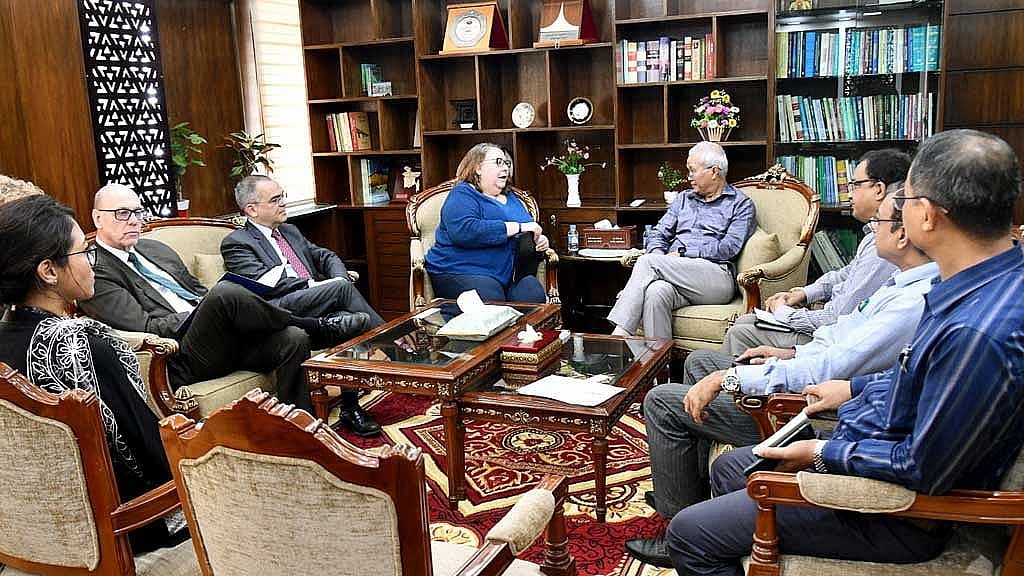
He discussed development issues with the five-strong delegation, led by US Charge d'affaires Helen LaFave, during the meeting at the Secretariat on Monday.
Supradip said: “We want to strengthen the wheel of Bangladesh’s economy. The government is working to improve the lives of hill people in all sectors, including environmental protection, eco-tourism development, education, health and employment.”
The former ambassador said more than 11 separate ethnic groups and Bengali people have been living in the CHT region consisting of Rangamati, Khagrachhari and Bandarban. This is now an attractive tourist destination.
Highlighting the peace and harmony among different ethnic and linguistic minority groups in the region, he said: “The Ministry of Chittagong Hill Tracts Affairs has been working relentlessly to bring progressive transformational changes in socio-economic and cultural areas.”
He continued, “We have been prioritising education. The standard of education for hill students will be increased through digitalisation. Several projects aiming to improve the lives of the hill residents and efforts to deliver the government services to the grassroots level are underway.”
The US Charge d'affaires placed importance on new avenues of cooperation between Bangladesh and the US, such as good governance, tourism, equal development, peace and order in the hills, raising the quality of education, climate change, and empowerment of women.
Posting the photos of the meeting on Facebook, the US Embassy in Dhaka wrote: “We stand in support of the Indigenous communities and all Bangladeshis, recognising their rich cultural heritage and invaluable contributions to the nation’s identity.
“Their rights must be respected and upheld, ensuring they are free from discrimination, marginalisation, and violence. An inclusive and just society defends the voices and rights of its most vulnerable populations.”