


Published : 29 Jan 2026, 11:25 PM
Updated : 21 Aug 2026, 03:05 PM


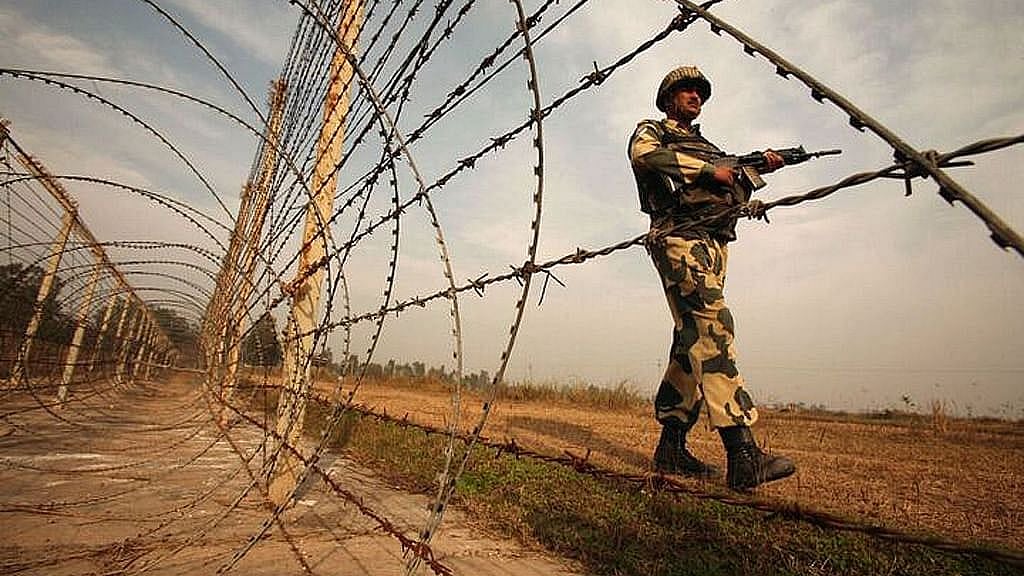
The Calcutta High Court has directed the West Bengal government to allocate land to the Border Security Force (BSF) for the construction of barbed-wire fencing along the Bangladesh border.
The order, issued on Tuesday, requires the state to hand over land in nine border districts by Mar 31, according to reports from the Indian News Services Division’s platform Newsonair, and Bhaskar English.
A division bench comprising Chief Justice Sujoy Paul and Justice Partha Sarathi Sen emphasised that land already acquired by the Centre and funded for the fencing project must be transferred immediately, Newsonair reported.
Procedural excuses, such as delays citing the Special Intensive Revision (SIR) process, will not be accepted, it added.
The ruling follows a public interest litigation (PIL) filed by retired army officer Subrata Saha, who alleged that the state’s delay in transferring land had facilitated illegal smuggling and infiltration along the border.
The West Bengal government told the court that it could hand over 181km of land by the March deadline, but the bench noted that some stretches remain pending cabinet approval, according to Newsonair.
The court has directed both the Centre and the state to submit affidavits on whether emergency acquisition of land is possible for “national security reasons”, Daily Bhaskar reported.
The next hearing in the case is scheduled for Apr 2, 2026.
Tensions over BSF fencing have risen along the border in recent years, particularly after the previous Awami League-led government was toppled in the July Uprising.
In January last year, fencing along the open area of the dead Patia River in Chapainawabganj triggered local unrest.
Similar disputes occurred in Dahgram, Lalmonirhat, and last month in Panchbibi, Joypurhat, where fencing work was temporarily halted due to Border Guard Bangladesh (BGB) interventions.
Reports note that BSF members often resume construction when possible despite local resistance.











