Published : 30 Aug 2026, 06:05 PM
Updated : 08 Sep 2026, 09:37 AM


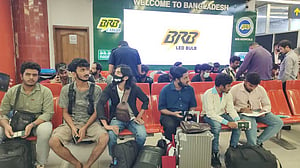
Bangladesh is set to send 200,000 workers to Malaysia in phases starting from the end of September, with the entire process expected to be completed within six months.
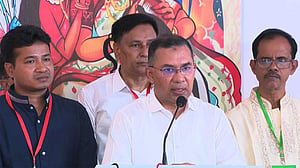
State Minister for Local Government, Rural Development and Cooperatives Mir Shahe Alam made the announcement after a meeting between Malaysian High Commissioner to Bangladesh Mohd Shuhada Othman and Local Government Minister Abdul Moyeen Khan at the Secretariat on Sunday.
“The manpower export from Bangladesh will start in phases by the end of September and will be completed within the next six months,” Shahe Alam said, quoting the Malaysian envoy.
Asked about the number of workers, he said Malaysia would take a total of 200,000 Bangladeshi workers through companies listed with its authorities.
Malaysia would also take another 10,000 workers without charging them recruitment costs, he added.
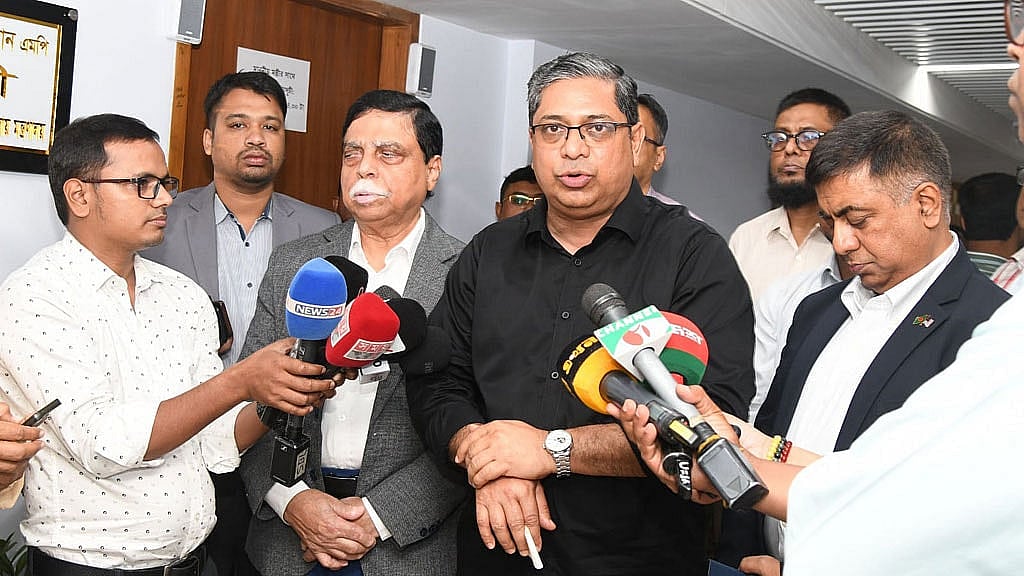
“There are currently around 800,000 registered Bangladeshi workers in Malaysia. The process of sending more Bangladeshi workers and registering undocumented workers already in the country is also under way,” the state minister said.
Malaysia closed its labour market to new Bangladeshi workers on May 31, 2024, amid allegations of syndication and other irregularities in the recruitment process.
Discussions have recently resumed on reopening the market. Malaysia has already approved 338 Bangladeshi agencies to facilitate the recruitment and deployment of workers.
During Sunday's meeting, Moyeen expressed the government's interest in taking Bangladesh-Malaysia relations to a higher level.
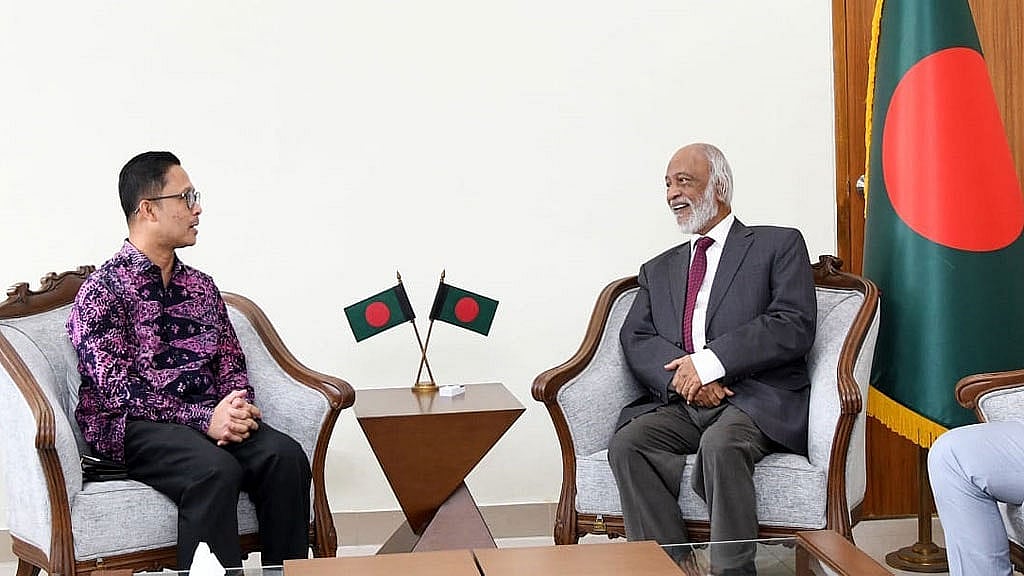
The two sides discussed expanding cooperation in manpower exports, renewable energy, infrastructure, education, healthcare and trade.
The meeting also covered the registration of undocumented Bangladeshi workers in Malaysia, employment opportunities for Bangladeshi engineers, joint initiatives to build hospitals, greater access to higher education for Bangladeshi students, investment in renewable energy and cooperation in manufacturing sports equipment.
The two countries also discussed strengthening economic ties in areas including electric vehicle imports, construction and halal food.