Published : 14 Nov 2025, 09:05 PM
Updated : 21 Aug 2026, 02:44 PM


Former former prime minister Sheikh Hasina has denied committing crimes against humanity during a deadly crackdown on the July Mass Uprising that toppled her, days before the International Crimes Tribunal (ICT) is due to deliver a verdict.
Hasina is accused of being the main architect behind hundreds of killings during the mass protests against her autocratic rule - an allegation she denies, reports BBC.
In her first interview with the British broadcaster since she fled the country on Aug 5, 2024, Hasina called her trial in absentia a "farce" orchestrated by a "kangaroo court" controlled by political opponents.
Prosecutors are seeking the death penalty for Hasina if she is found guilty on Monday.
Hasina claimed the trial was destined to deliver a "pre-ordained guilty verdict".
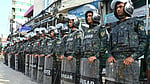
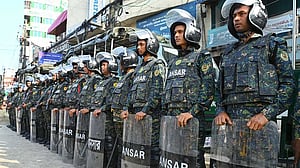
Security has been beefed up in and around the tribunal in Dhaka ahead of Monday's verdict.
It will mark a significant moment for the country as well as for the relatives of those killed during the student-led anti-government protests that ousted Hasina, BBC wrote.
UN human rights investigators have said up to 1,400 people were killed when Hasina and her government used deadly, systematic violence against protesters in a futile bid to hold onto power.
The former prime minister has refused to return from India to attend the trial.
She has been accused of personally ordering security forces to fire at protesters in the weeks before she fled.
In an email interview, Hasina told the BBC she "categorically" denied such allegations.
"I'm not denying that the situation got out of control, nor that many lives were lost needlessly. But I never issued any order to fire on unarmed civilians," she said.
Speaking about the trial, Hasina said she hadn't been able to defend herself or appoint her own lawyers.
She added her political opponents had gone after her in an attempt to "liquidate" her Awami League party as a political force.
Leaked audio of one of her phone calls verified by BBC Eye earlier this year suggested that she had authorised the use of "lethal weapons" in July 2024. The audio was played in court during the trial.
Hasina was formally indicted along with two others -- former home minister Asaduzzaman Khan Kamal and former inspector general of police Chowdhury Abdullah Al-Mamun.
Prosecutors have sought the death penalty for Kamal, who is in hiding. Mamun pleaded guilty in July and has since turned state's witness.
Hasina’s legal counsels issued a statement on Monday saying they had filed an urgent appeal to the UN raising serious fair trial and due process issues at the ICT.
The Awami League is already banned from standing in general elections due in February.
The BBC interview also covered other serious allegations of abuses committed during Hasina's 15-year rule, which will be heard in another case at the special tribunal. She denies charges of crimes against humanity in that case too.
After Hasina was ousted from power, a number of secret jails were discovered holding prisoners who had been detained for years without any legal process. Many other critics and opponents of Hasina who had been abducted or held in these prisons are alleged to have been killed unlawfully.
Asked who was responsible for this, Hasina said she "did not have knowledge" of them.
She also denied her involvement in alleged extra-judicial killings and enforced disappearances, which rights group say she was responsible for as the head of government.
"This is denied in terms of my own involvement, but if there is evidence of abuse by officials, let us have it examined properly in an impartial, depoliticised process," she said.
Hasina and other senior members of her former government are also facing trial for corruption in a separate court, charges they deny.