Published : 13 Oct 2026, 12:30 PM
Updated : 13 Oct 2026, 12:30 PM


The government has planned to set up special courts at the divisional level to settle expatriates’ disputes over remittances and property quickly.
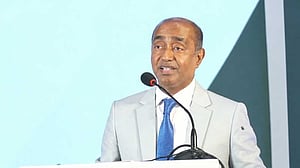
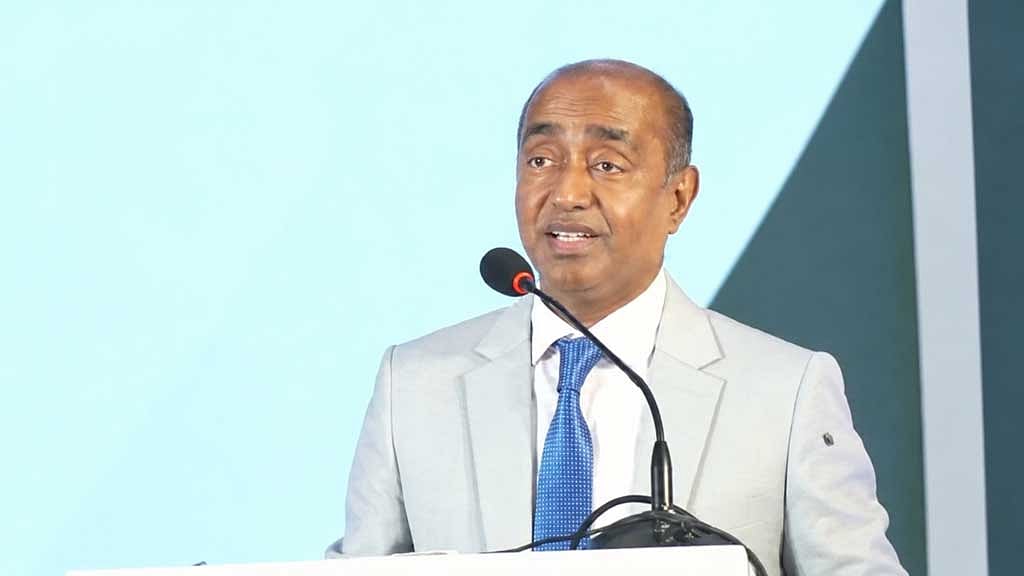
Law Minister Md Asaduzzaman said work is under way on a proposal for courts that hear only expatriates’ cases, speaking at the Refugee and Migratory Movements Research Unit (RMMRU)’s 30th anniversary event in Dhaka on Tuesday.
According to him, expatriates often face lengthy legal battles over money sent home to family members or disputes over property purchases.
Unlike workers in the country, who have access to labour courts, expatriates have no dedicated courts for such cases, he said.
Many spend years paying lawyers from abroad, and some plaintiffs die before their cases are resolved, leaving their heirs to continue the proceedings.
The government is drafting a proposal for specialised courts that would deal exclusively with cases involving expatriates. Asaduzzaman said it was considering seeking public feedback as soon as possible and placing the proposal before the next session.
UAE Visa Cancellations
The minister blamed unscrupulous businesses for some of the problems facing migrant workers, saying 5,000 visas in the United Arab Emirates had already been cancelled, while renewals for many others remained pending.
He said documents submitted by recruiting agencies for workers travelling abroad could be checked using artificial intelligence (AI). In some cases, certificates had been submitted from institutions that did not exist, prompting the relevant authorities to take legal action.
Asaduzzaman called for action against dishonest businesses to prevent such practices.
He also said the government had arranged round-the-clock legal assistance through the Legal Aid Directorate for expatriates and their families.
Officials at the level of joint district judges are involved in providing initial legal advice, while mediation is being used to settle disputes and reduce harassment.
He urged RMMRU to work with the initiative.
Minister Calls for Fairer Wages
Asaduzzaman also drew the attention of the state minister for expatriates’ welfare to the poor working and living conditions faced by Bangladeshi workers abroad, including wage disparities.
He said workers often spend long periods queuing to use bathrooms in the morning, travel considerable distances to work and return home late after a full day’s work. They must then find time to speak with their families and prepare meals.
Despite these demands, Bangladeshi workers often receive lower wages than workers from other countries, he said, calling for further efforts to narrow the gap.
The law minister assured RMMRU of the government’s support for its efforts to protect the rights and welfare of Bangladeshi workers abroad.