



Published : 22 Oct 2022, 12:08 AM
Updated : 22 Oct 2022, 12:50 AM


The use of air-conditioners have increased among the higher- and higher-middle-income people of Dhaka, which has led the middle- and lower-middle-income groups to bear the brunt of a rise in temperature caused by the outdoor units of the machines.
Panellists shed light on the issue at a virtual discussion organised by the Institute for Planning and Development or IPD on Friday.
There, Dr Adil Mohammed Khan, professor of urban and regional planning at Jahangirnagar University and executive director of IPD, presented the findings of a survey on the demand for power for air-conditioners and their impact on urban temperature.
He said the city’s temperature rose by 3 degrees Celsius in several decades mainly due to a rise in the use of electronic devices.
“Dependency on ACs to fend off the heat is increasing, which is in turn driving the temperature. This is causing limitless suffering to the lower-middle-income people.”
According to him, the demand for air-conditioners increased by 20 percent in the past six years. Sales rose from 290,000 units in 2016 to 600,000 in 2021 while 400,000 units have been sold so far this year.
In the past seven years, Bangladeshis bought 2.75 million air-conditioners, including 65 percent in Dhaka.
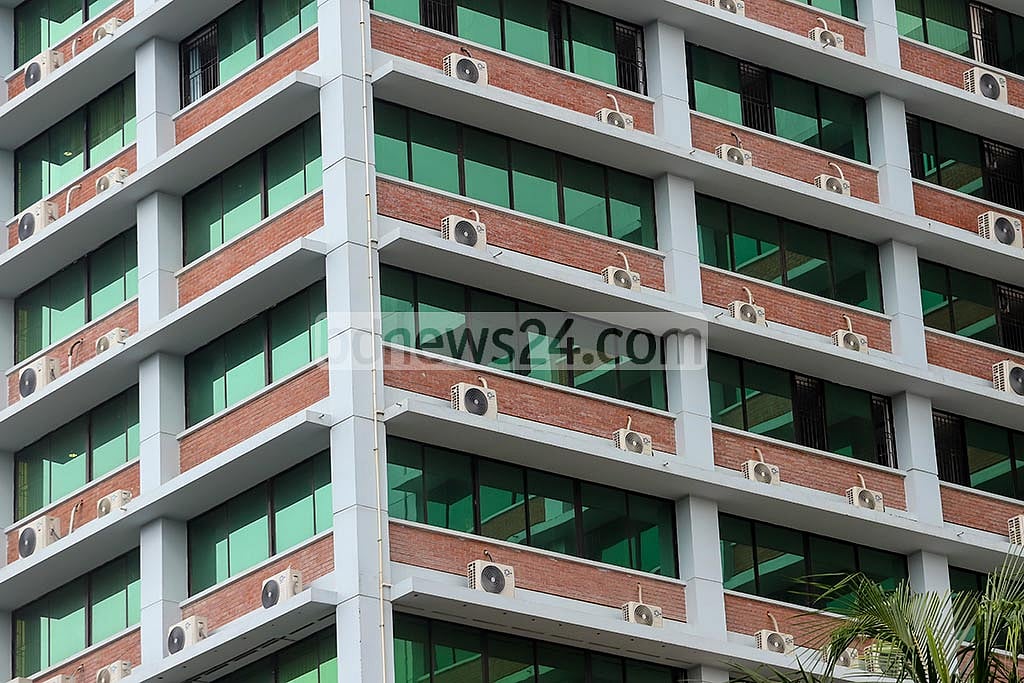
Prof Adil said 28 percent of the air-conditioners are used in industries, 11 percent in commercial entities, and 56 percent in homes.
He said keeping the air-conditioner temperature at 26 degrees Celsius instead of 22 degrees can help Bangladesh save 33 percent of the power used to run the cooling machines.
“It’ll be better if we can cut the demand for ACs by making a plan. The government has also imposed restrictions on the use of ACs. Actually we need to rein in luxury and necessity.”
He questioned the use of air-conditioners in government buildings. The Election Commission is using air-conditioners with a capacity of 2,700 tonnage, NBR 2,500 tonnage, the finance ministry 1,500 tonnage and the Secretariat 4,000 tonnage.
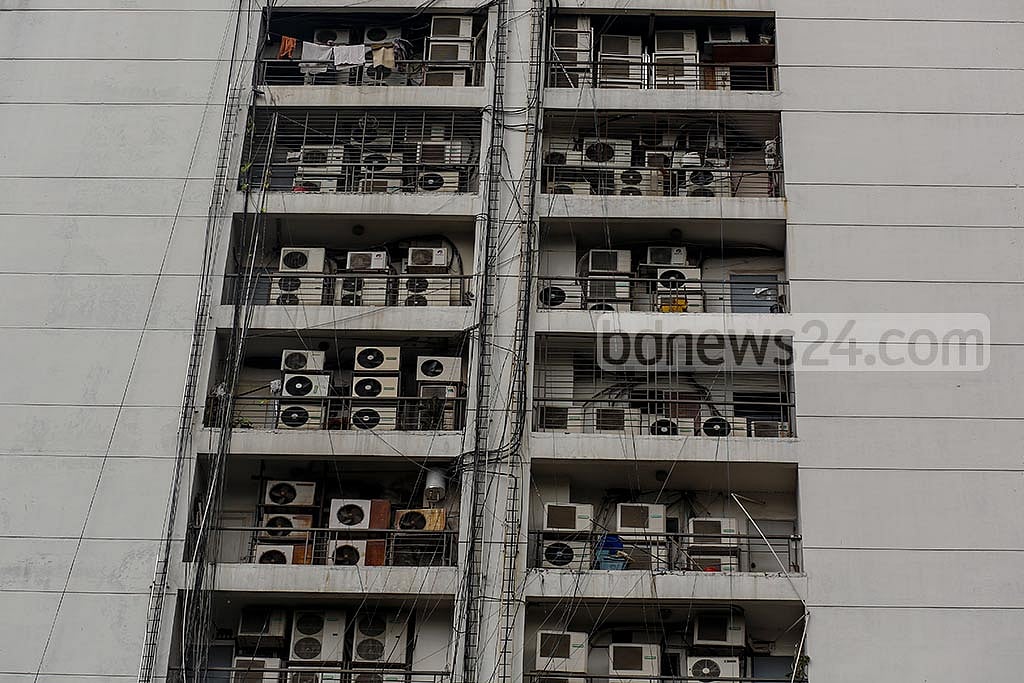
Prof Dr Ahmad Kamruzzaman Majumder, head of environmental science at Stamford University, said:“People in Bangladesh never needed air-conditioners. Now we are using ACs to cool a 120-200 square feet room while raising the temperature outside. It’s kind of a violation of human rights.”
Architect Shahriar Iqbal Raj emphasised the need for efficient use of air-conditioners, saying a rise in temperature is forcing people to use the cooling machines.
Urban planner Prof Aktar Mahmud called for building plans consistent with Bangladesh’s climate.











