Published : 23 Oct 2026, 04:09 PM
Updated : 23 Oct 2026, 04:09 PM


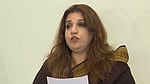
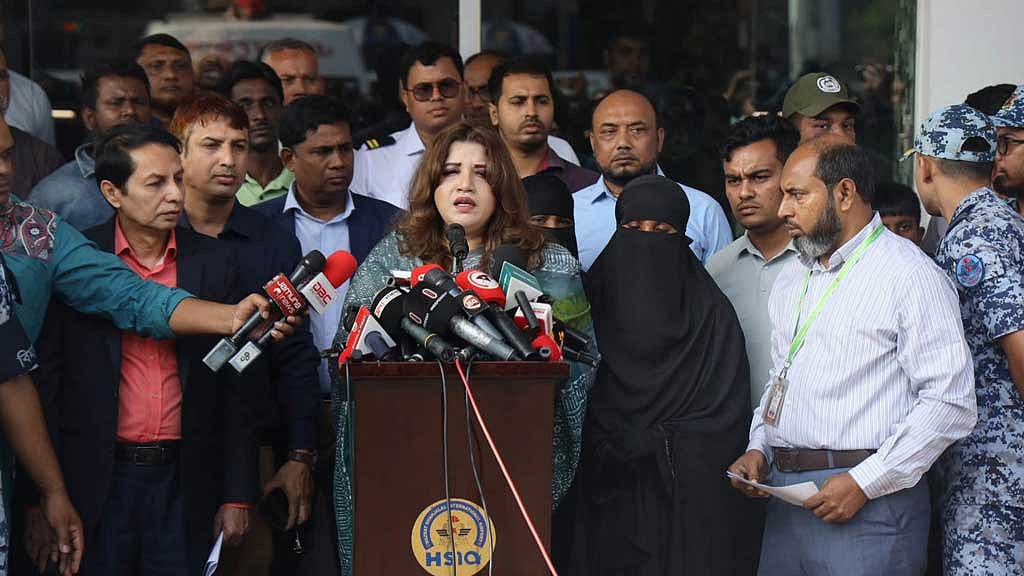
Around 7,500 Bangladeshis are being held in prisons across Saudi Arabia on various charges, according to State Minister for Foreign Affairs Shama Obaed Islam.
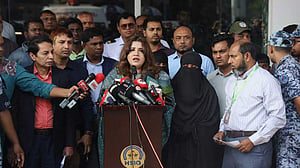
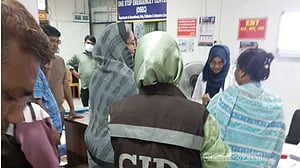
She disclosed the figure on Friday while speaking to reporters after the body of Shahed Ahmed, a Bangladeshi killed in Saudi Arabia, was brought back to Dhaka.
"According to Bangladesh government records, around 7,500 expatriate Bangladeshis are currently held in prisons in different cities across Saudi Arabia," she said.
Shama added that Saudi authorities periodically sent lists of Bangladeshis convicted of various offences.
She also said Bangladesh had yet to receive details about the execution of two nationals, Nazrul Islam and Sweety Akter, on Oct 14 over allegations of "immoral acts" at a mosque in Makkah.
Bangladesh was not informed before the executions, according to Shama.
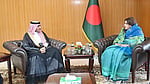
The Bangladesh Consulate in Jeddah has written to Saudi authorities seeking information, while the matter has also been raised with the Saudi ambassador in Dhaka.
"We have officially written to the Saudi government requesting copies of the verdicts. Once we receive them, we will be able to learn the details of what happened," Shama said.
She acknowledged Saudi Arabia's right to enforce its own laws but stressed that Bangladesh should be informed when its nationals face such punishment.
The state minister also questioned whether the previous Awami League government and the interim administration had done enough, noting that the alleged incident dated back to 2023.
She urged patience as Bangladesh pursued the matter through diplomatic channels.
Shama said the government was also seeking visa extensions for Bangladeshis stranded at home because of the conflict in West Asia and would explore support for expatriates who had lost their jobs.