


Published : 02 Jun 2014, 10:44 AM
Updated : 08 Aug 2022, 06:49 PM


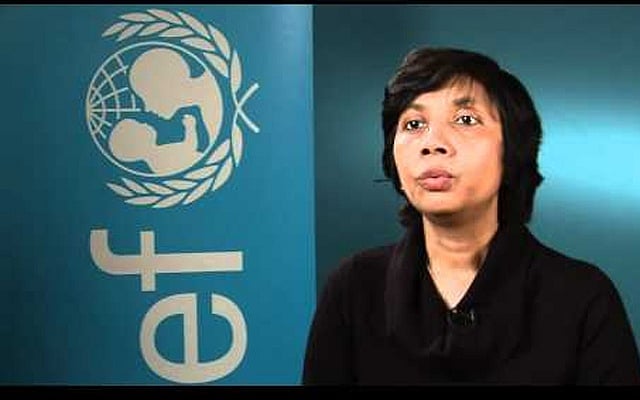
Khan, of Bangladeshi origin, recently spoke to hello.bdnews24.com’s 14-year old correspondent at the UNICEF’s headquarters in New York.
“One of UNICEF’s largest programs is in Bangladesh. That is because the country has a large population and there are challenges involved,” she said.
UNICEF works to improve conditions of health and nutrition, education, water and sanitation for children.
It also focuses on protecting the children in regions of conflict.
UNICEF is active in more than 150 countries, among them Jordan and Uganda where it has achieved much, Khan said.
She said some sectors in Bangladesh have shown real progress but there's uneven progress in other sectors.
“The UNICEF does not work like other organisations. It works with the government. Problems arise when the government does not recognise issues which exist.”
She said Bangladesh’s government initially refused to see HIV as an existing problem.
But UNICEF showed them evidence and various analytical data to get preventive action started.
When asked about the time it might it take to complete their work fully, Khan said the UNICEF’s work never ends, there are always new problems that it must address.
“Our next step is to work on the problems relating to environment. Children can catch various diseases because of their environment. For example, drinking dirty water can cause diarrhea.”
She stressed that UNICEF cannot achieve success on its own. It needs governments to cooperate and face the problems that affect the people.
Khan said more babies in Bangladesh are living to reach adulthood but mother mortality rate and issues of proper sanitation still needs attention even though there have improved “to a certain extent”.
“People do not have access to improved sanitation in many countries. They simply go out to the bush.”
She said this was particularly alarming for the children as unhealthy sanitation can increase infant mortality rates through diarrhea and malnutrition.
“In Nepal people work in a community. They have understood that if they do not ensure better sanitation facilities their children will be in danger.”













