


Published : 13 Sep 2021, 08:20 AM
Updated : 14 Oct 2022, 06:58 PM


Even before the Taliban's seizure of Kabul last month, half the population - or 18 million people - was dependent on aid. That figure looks set to increase due to drought and shortages of cash and food, UN officials and aid groups warn.
An abrupt end to billions of dollars in foreign donations following the collapse of Afghanistan's Western-backed government and the ensuing victory of the Taliban has heaped more pressure on UN programmes.
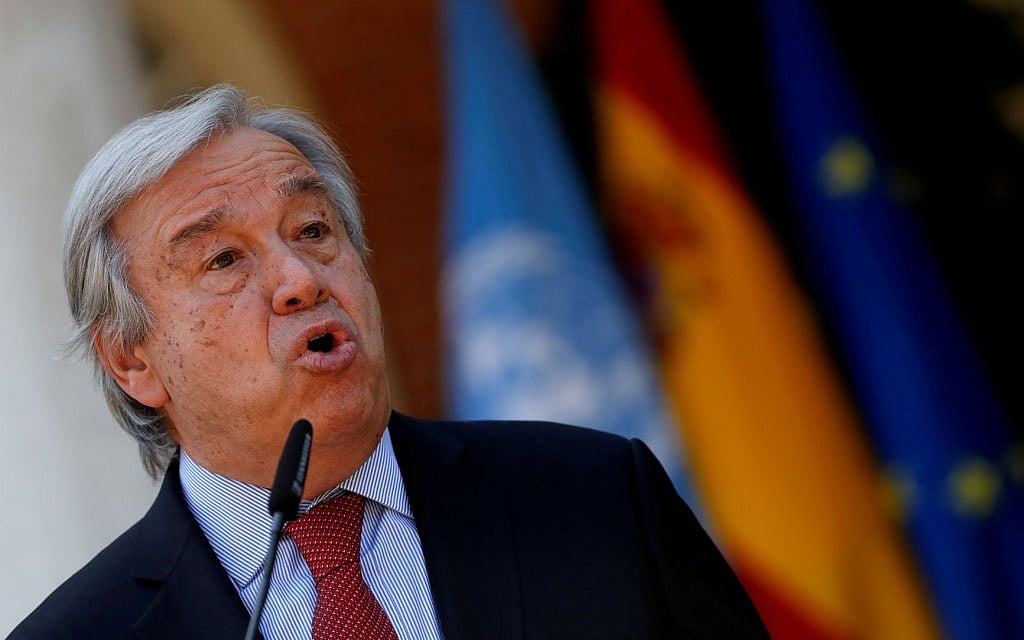
Yet UN Secretary-General Antonio Guterres says his organisation is struggling financially: "At the present moment the UN is not even able to pay its salaries to its own workers," he told reporters on Friday.
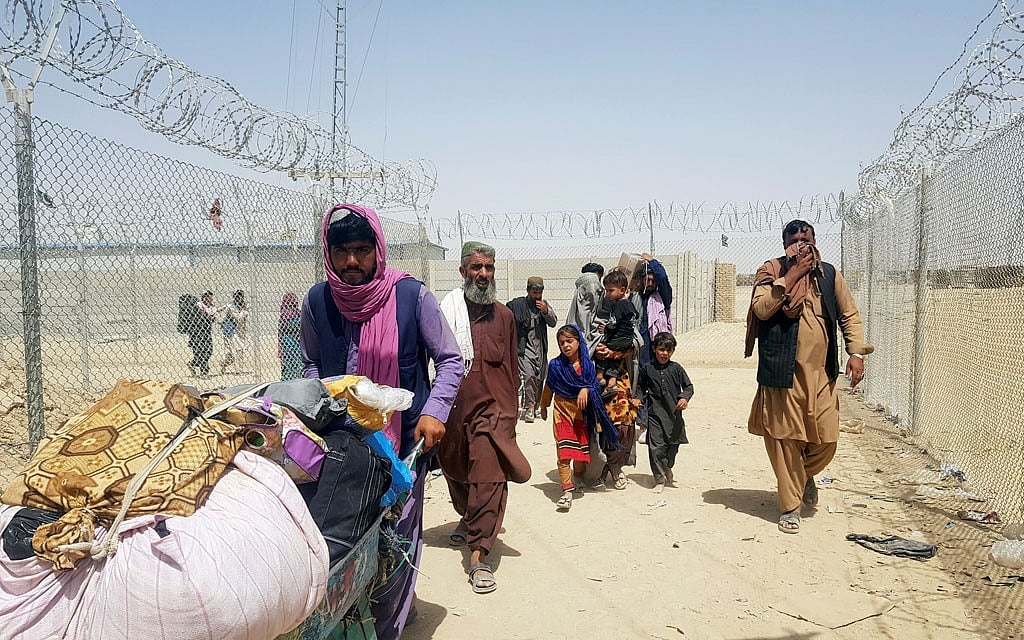
A family from Afghanistan walk next to fence to cross into Pakistan at the Friendship Gate crossing point, in the Pakistan-Afghanistan border town of Chaman, Pakistan September 6, 2021. REUTERS
About a third of the $606 million being sought would be used by the UN World Food Programme which found that 93% of the 1,600 Afghans it surveyed in August and September were not consuming sufficient foods, mostly because they could not get access to cash to pay for it.
"It's now a race against time and the snow to deliver life-saving assistance to the Afghan people who need it most," said WFP deputy regional director Anthea Webb. "We are quite literally begging and borrowing to avoid food stocks running out."
The World Health Organization, another UN agency that's part of the appeal, is seeking to shore up hundreds of health facilities at risk of closure after donors backed out.













