


Published : 19 Nov 2013, 07:57 PM
Updated : 09 Aug 2022, 11:20 AM


"We have agreed that on Thursday at a full session we will start by considering Euro-integration laws," said parliament speaker Volodymyr Rybak.
These laws are intended to meet EU calls for an end to the practice of 'selective justice' in Ukraine - meaning the release of Tymoshenko - and reforms of the judiciary and the electoral system.
With time running out on the planned November 28 signing of a far-reaching free trade and cooperation agreement at a summit in the Lithuanian capital Vilnius, the EU says the former Soviet republic has not yet met the conditions the bloc has laid down.
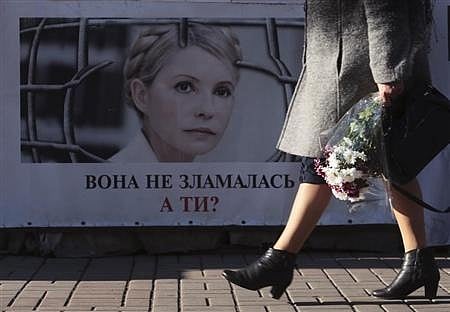
The main sticking point is over former prime minister Tymoshenko, a fierce opponent of President Viktor Yanukovich, who was jailed in 2011 for seven years for abuse of office after a trial that Western governments say was political.
EU governments want her, as part of a compromise, to be allowed to travel to Germany to be treated for chronic back trouble.
Yanukovich, whose supporters fear a comeback by Tymoshenko could disrupt his bid for re-election in 2015, has refused to pardon her.
He has, however, said he will sign into law any proposal by parliament to allow her to go to Germany for hospital treatment for a spinal condition.
But at a parliament session on Tuesday the ruling Regions Party and the opposition failed again to agree the wording of a draft law that would allow Tymoshenko to go abroad.
Deputies from the Regions and the opposition parties accused each other of seeking to undermine prospects of a signing at Vilnius.







