


Published : 07 Aug 2016, 12:37 PM
Updated : 19 Oct 2022, 05:23 PM


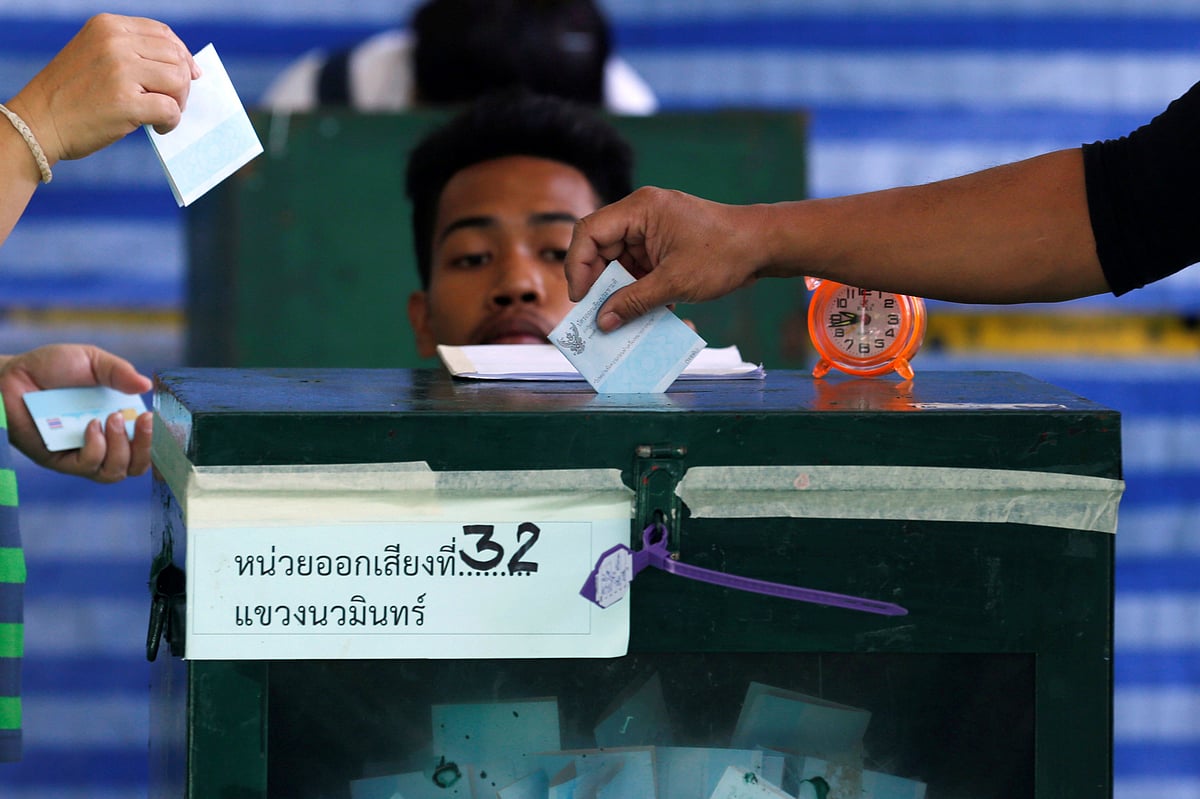
The ballot is the first major popularity test for the junta led by Prime Minister Prayuth Chan-ocha, who has suppressed political activity during the two years since he seized power in a 2014 coup.
Ahead of the referendum, polls suggested a small lead in favour of accepting the new constitution, but most voters were undecided. Preliminary results were expected at around 8pm local time.
Prayuth has said he will not resign if Thailand rejects the constitution and that an election will take place next year no matter what the outcome.
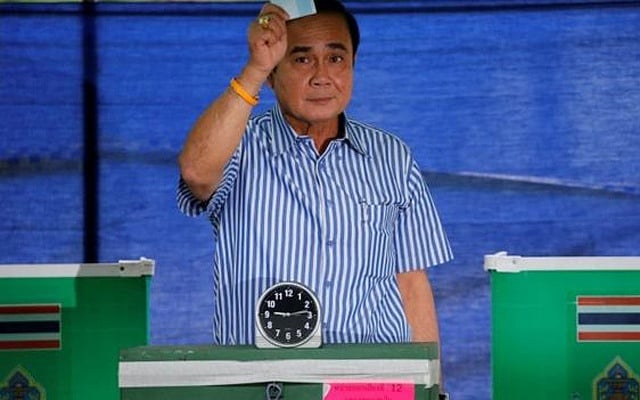
He encouraged Thais to participate after casting his vote on Sunday.
"I urge everyone to come out and vote... to decide on the future of the country," Prayuth told reporters at a polling station in northwest Bangkok.
Prime Minister Prayuth Chan-ocha
Thailand has seen over a decade of political turmoil since Thaksin was ousted.
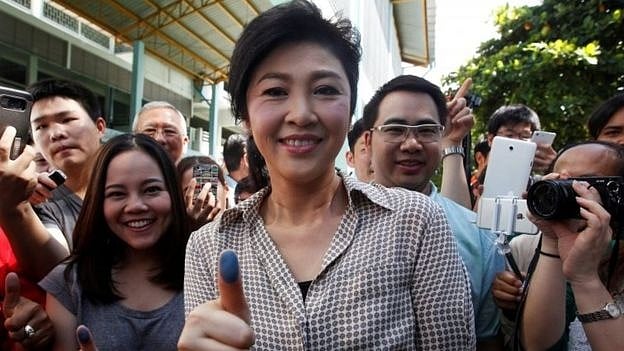
Thaksin lives in self-imposed exile but retains a strong influence, particularly with his rural support base in the north. His sister Yingluck swept to power with an electoral landslide in 2011, and her government was ousted by Prayuth three years later in the 2014 coup.
Former Prime Minister Yingluck Shinawatra after casting her ballot.
"I want the country to get better," said farmer Thongyoon Khaenkhaomeng at a nearby polling station in a school. He voted in favour of the constitution because he wanted to see an end to Thailand's divisions, he said.
Day laborer Decha Shangkamanee said he had voted against the charter because he disliked the junta, but did not expect the referendum to make much difference.
"I know that nothing really changes today with the way the country is ruled," he said.
The vote comes against the back-drop of concern about the health of King Bhumibol Adulyadej, 88. The military has for decades invoked its duty as defender of the deeply revered monarch to justify its interventions in politics.
No reconciliation
Whichever way the vote goes, the United Nations would like to see more dialogue between the military and political opponents, said Luc Stevens, the UN chief in Thailand.
"There is no reconciliation if one group says 'Lets reconcile on our terms'," he told Reuters ahead of the referendum.
"If you don't want to leave anybody behind in this country, you need to think about an inclusive process, an open dialogue, and ensure that people can express their opinion."
Two students were detained and charged on Saturday in the northeastern province of Chaiyaphum for handing out leaflets urging voters to vote against the referendum, said Police Colonel Aram Prajit.
The ban on campaigning has not stopped the junta from deploying thousands of military cadets to carry a message to Thailand's 50 million eligible voters encouraging them to participate in the referendum. The Election Commission is hoping for a turnout of 80 percent.
Amnesty International said on Friday the junta had created a chilling climate ahead of the vote through pervasive human rights violations.







