


Published : 26 Feb 2022, 10:31 AM
Updated : 03 Aug 2022, 11:34 AM


The measure, known as a general licence and announced by the Treasury Department’s Office of Foreign Assets Control, says that people can lawfully transfer money to civil servants in government agencies — including ministries now led by Taliban officials. The move covers transactions like taxes, fees, import duties and the purchase or receipt of permits, licences or public utility services.
In a statement, Wally Adeyemo, the deputy Treasury secretary, portrayed the move as part of a larger effort by the United States to not just support the flow of humanitarian aid to Afghanistan, but also to facilitate commercial and financial activity there that could allow the economy to function — without directly benefiting Islamic extremists.
“In light of this dire crisis, it is essential that we address concerns that sanctions inhibit commercial and financial activity while we continue to deny financial resources to the Taliban, the Haqqani network and other malign actors,” he said.
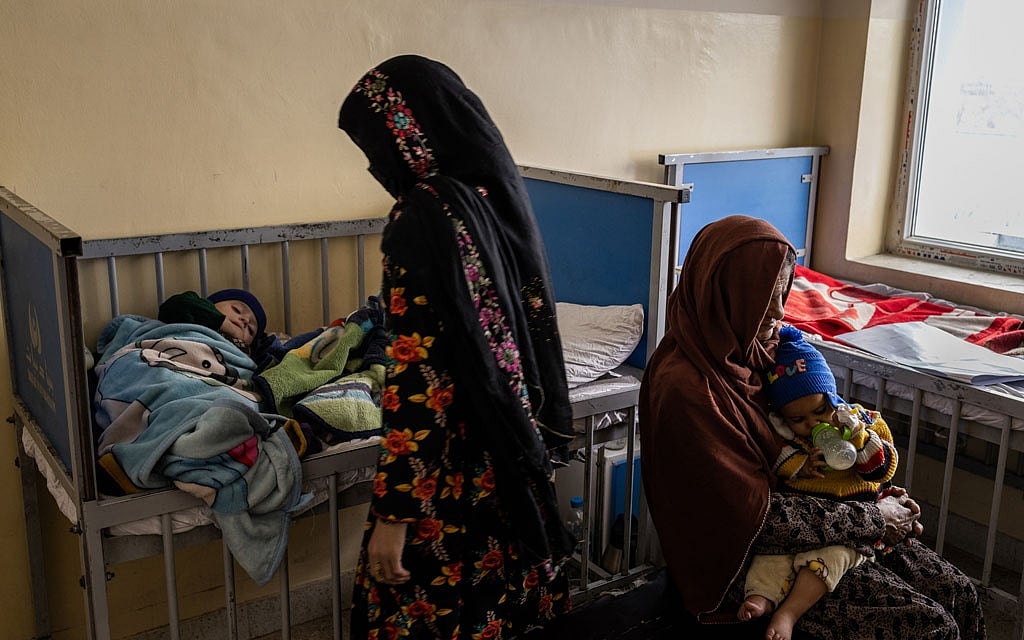
The measure appeared aimed at making it harder to blame the US government’s sanctions for the unfolding economic disaster in Afghanistan. The economic situation is creating a humanitarian crisis, including widespread starvation, that is spurring a huge wave of migrants to leave the country.
A senior Biden administration official, speaking on the condition of anonymity in a background briefing for reporters, cautioned that many other factors were contributing to the economic collapse in Afghanistan. Those include the abrupt cutoff of huge amounts of Western foreign aid that had paid for government salaries and infrastructure projects, as well as the exodus of technocrats and others with special expertise after the Taliban swept into control.
In a statement describing the move, the Treasury Department also emphasised that theme.
“While sanctions relief alone cannot reverse long-standing structural challenges and the flight of technocratic and government experts due to the Taliban’s mismanagement, it can ensure that sanctions do not prevent economic activity that the people of Afghanistan rely on to meet their most fundamental needs,” it said.
The general licence excludes doing business with any entity in which the Taliban or the Haqqani network owns a majority interest. It also does not permit payments related to luxury items or services.
The Afghan central bank, known as Da Afghanistan Bank, is among the governing institutions that will face fewer obstacles under the measure. The central bank had formerly propped up the value of the Afghan currency by regularly auctioning US dollars.
That activity has ceased, and the value of the Afghan currency has plunged — making food too expensive for many poor Afghans to buy. At the same time, a currency shortage has led to limits on how much those Afghans who have bank accounts may withdraw from them.
Many officials from the bank fled in August, and the Taliban has installed its own leaders to oversee it. But in the briefing, a senior administration official said the US government had been exploring ideas for restarting some normal central bank activities if it can be made truly independent, with controls to prevent money laundering and third-party monitoring. The official said much of whether that could be done was in the hands of the Taliban.
The notion of potentially trying to resuscitate Afghanistan’s central bank is in some tension with a move this month by the Biden administration regarding about $7 billion the central bank has deposited at the Federal Reserve Bank in New York, money whose fate has been a major focus since the Taliban takeover.
When the government of Afghanistan dissolved, the bank made those funds unavailable for withdrawal. The Taliban have since claimed a right to them, while relatives of people killed in the Sept. 11 attacks are trying to seize the funds to pay off the Taliban’s default judgement debts to them from lawsuits they had brought against the Taliban, al-Qaida and others.
On Feb. 11, the Biden administration moved to split those funds in half — in a way that would potentially leave the bank capitalised. Biden invoked emergency powers to try to move $3.5 billion into a fund that will be used for the benefit of the Afghan people. The administration left the remaining money for the Sept 11 plaintiffs to continue pursuing in court.
It will be up to a judge to decide whether those funds can be lawfully used to pay off the Taliban’s judgement debts, a question that raises several thorny and unresolved legal issues.
The Treasury Department noted that nothing in the new general licence “affects the property or interests in property of Da Afghanistan Bank that are protectively blocked” pursuant to Biden’s recent action.
© 2022 The New York Times Company













