Published : 28 Aug 2026, 08:50 PM
Updated : 08 Sep 2026, 09:36 AM


Families of people missing in Nepal’s devastating floods are moving between army camps, police stations and hospitals, scanning lists and waiting for any word on relatives who have remained out of contact since the disaster struck.
At the Nepali Army’s training centre in Maithali, Nuwakot, relatives gathered from early Thursday to ask whether the names of their loved ones appeared among those rescued, according to The Kathmandu Post.
Some had relatives travelling to the Gosainkunda pilgrimage site, while others were looking for people working at hydropower projects or the Nepal-China border customs point.
Many left names, photographs and other details with soldiers at a help desk outside the barracks.
The uncertainty has been particularly acute for the families of workers believed to have been trapped in hydropower facilities as the flood swept through the Bhotekoshi and Trishuli river systems.
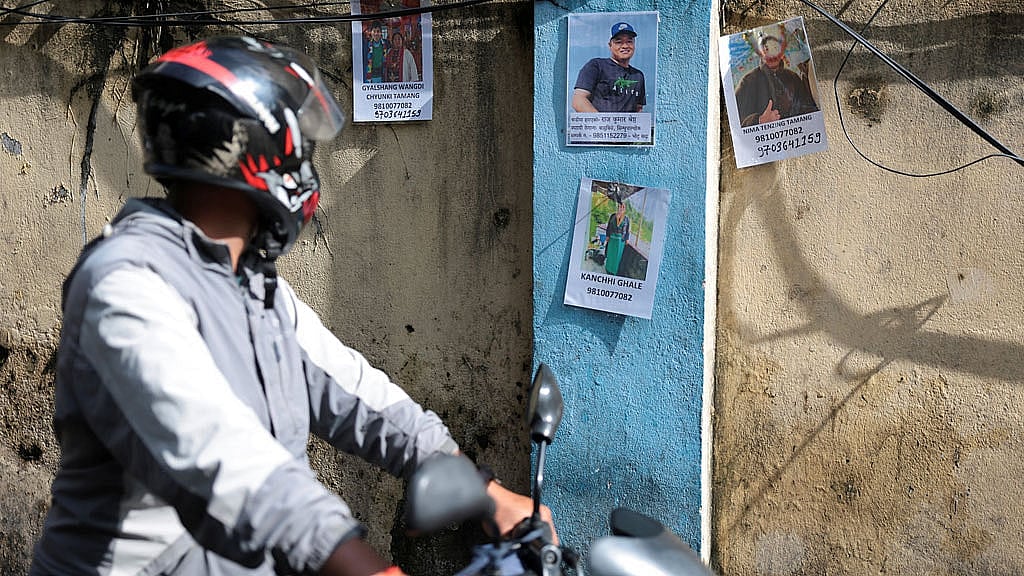
Shashikala Khatiwada told the Post that her husband, Dipak Rimal, worked at the Trishuli 3A hydropower project in Mailung.
She said he messaged her from inside a tunnel on Wednesday afternoon to say he and dozens of colleagues were safe but needed help getting out.
“We came to know through his messages that there are 35 people with him,” the Post quoted her as saying.
She had since been appealing to security agencies for information as rescue teams attempted to reach the area.
Another woman, Biskila Tamang, was searching for her husband Som Bahadur Ghale, a driver who had travelled to the Rasuwa customs office to collect electric vehicles imported from China.
Tamang said there had been no contact with him since he stayed overnight in Timure.
She provided the Army help desk with his physical description and waited near the training centre in the hope of receiving news.
“It has been two days and there is no news of my husband,” the Post quoted her as saying.
Every Ambulance Brings Another Wait
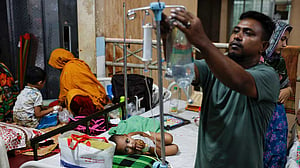
Similar scenes have unfolded at hospitals in Kathmandu.
Hundreds of people gathered at Tribhuvan University Teaching Hospital in Maharajgunj, where police established help desks and posted lists of people brought in after the flood.
Relatives rushed towards arriving ambulances, hoping to recognise the person being brought inside, before returning to wait if their missing family member was not among them.
Others moved from one hospital to another, checking lists of the injured and giving police information about relatives who remained unaccounted for.
Bijula Karki, from Dolakha, had been searching hospitals after losing contact with her 24-year-old son.
She said he had left home on Wednesday morning, telling her he would return after buying clothes.
“‘I’ll be back, mother,’ he told me,” she told the Post’s sister publication Kantipur.
She had been unable to reach him since.
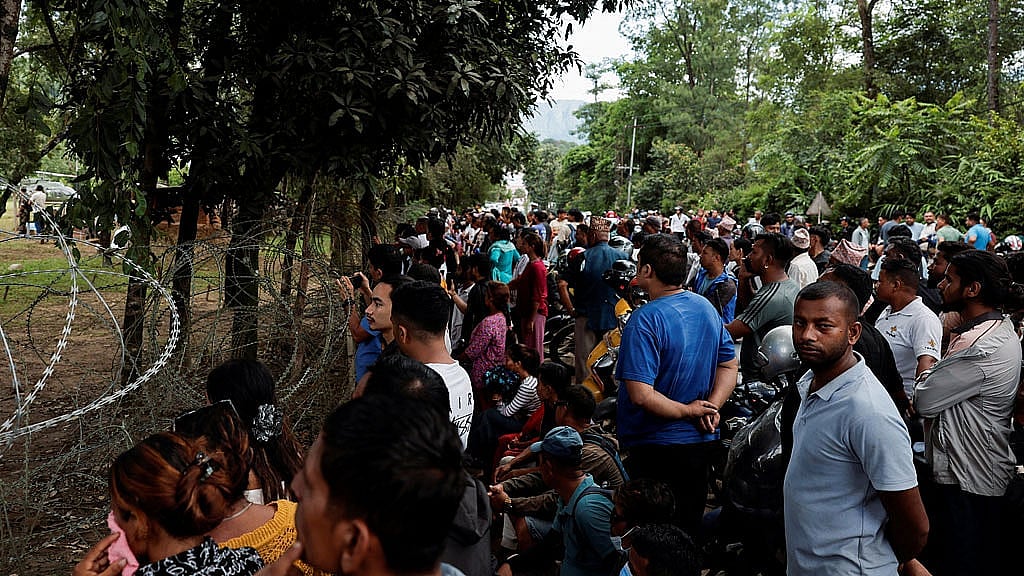
At the Teaching Hospital alone, more than 1,000 people had registered details of relatives they were trying to trace by Thursday afternoon, according to the Post.
Families were also searching at Bir Hospital and the National Trauma Centre, while some stationed relatives at Kathmandu airport in case missing family members were brought back from the flood zone.
Search Stretches Far Beyond Flood Zone
The scale of the search reflects how many different groups were caught in the disaster.
Those reported out of contact have included residents, workers, members of Nepal’s security forces, tourists and pilgrims travelling through the Himalayan corridor.
A National Disaster Risk Reduction and Management Authority report cited by the Post said hundreds of people remained unaccounted for on Thursday, including foreign and domestic tourists.
Search and rescue teams have been deployed along the flood-hit river system, with helicopters and personnel from the Nepali Army, Nepal Police and Armed Police Force involved in the operation.
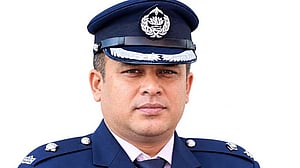
Brig Gen Raja Ram Basnet, an army spokesperson, told Kantipur that hundreds of people had already been rescued from places including Timure, Syabrubesi and Mailung.
But for families gathered at army camps and hospital gates, the large-scale rescue effort has translated into a much simpler daily routine: checking another list, watching another ambulance arrive and waiting for a familiar name to appear.