


Published : 28 Sep 2019, 12:27 AM
Updated : 17 Oct 2022, 11:46 AM



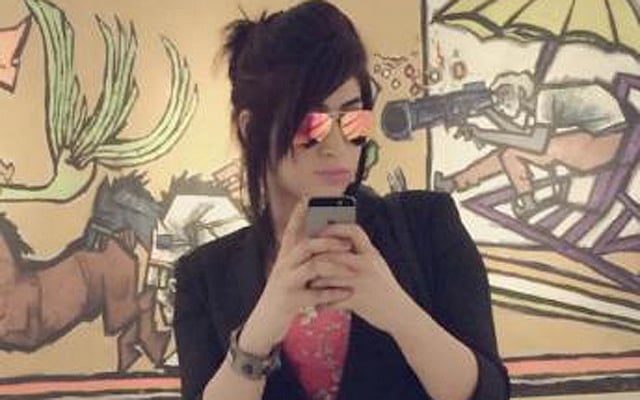
Authorities said the brother, Waseem Ahmed Azeem, confessed in 2016 that he had killed his sister Fauzia Azeem, who achieved fame in conservative Pakistan by posting provocative views and images, including seminude pictures, on Facebook and Twitter under the name Qandeel Baloch.
In a case like this in Pakistan, however, a confession is by no means a guarantee of a conviction.
While many of Baloch’s admirers considered her a feminist hero, Azeem believed that his sister had sullied the family’s honour by posting what he called “shameful pictures.” He drugged and strangled her as she slept in her parents’ home in Muzaffarabad, a town on the outskirts of Multan in Punjab province, on July 15, 2016, and was arrested within days.
The parents took his side, submitting a written statement during the trial proceedings saying that they had absolved him and asking the court to do the same. The assailants in many such “honour killings” in Pakistan are permitted to go free because the victim’s family forgives the killer.
The judge in this case denied the request. Five other suspects, including a well-known cleric accused of inciting the killing, were acquitted for lack of evidence. Azeem’s lawyer said he would challenge the verdict in a higher court.
The killing ignited an outcry among Baloch’s fans and human rights groups. The conviction of Azeem, said Sanam Maher, a Karachi-based journalist who has written a book about Baloch, “makes a strong statement and brings closure to some of Qandeel’s supporters.”
“But it isn’t the last word in this case,” Maher said. “Honour killings are complicated; they have a life beyond the verdict, and they are a symptom of a flawed society that will brutally punish men and women who wish to live outside the confines of the social code.”
Rights activists and supporters of Baloch had especially awaited the court’s decision on the cleric, Mufti Abdul Qavi. Shortly before the murder, Baloch had posted pictures and videos of herself with Qavi. In the videos, Baloch wore the cleric’s hat while he stared into the camera.
Some people, including Baloch’s mother, initially accused the cleric of inciting the killing. Qavi denied the allegations.
After he was acquitted, his supporters showered rose petals on him.
Maher, the journalist who has written about the victim, said that people would soon forget the killer but that the memory of Baloch would live on.
This year, as thousands of women staged rallies countrywide on International Women’s Day against patriarchy, abuse and honour killings, many held pictures of Baloch, Maher said.
“Her legacy is to continue to encourage us to think that if she could speak out, we should all at least try to do the same ourselves,” she said.
c.2019 The New York Times Company













