


Published : 01 Jul 2019, 02:10 PM
Updated : 17 Oct 2022, 11:42 AM


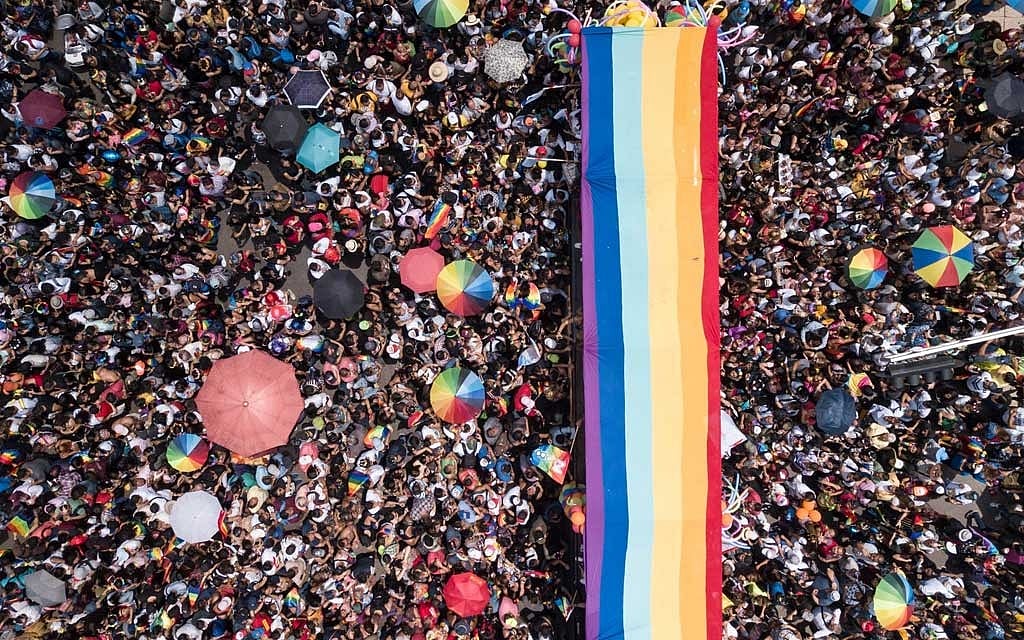
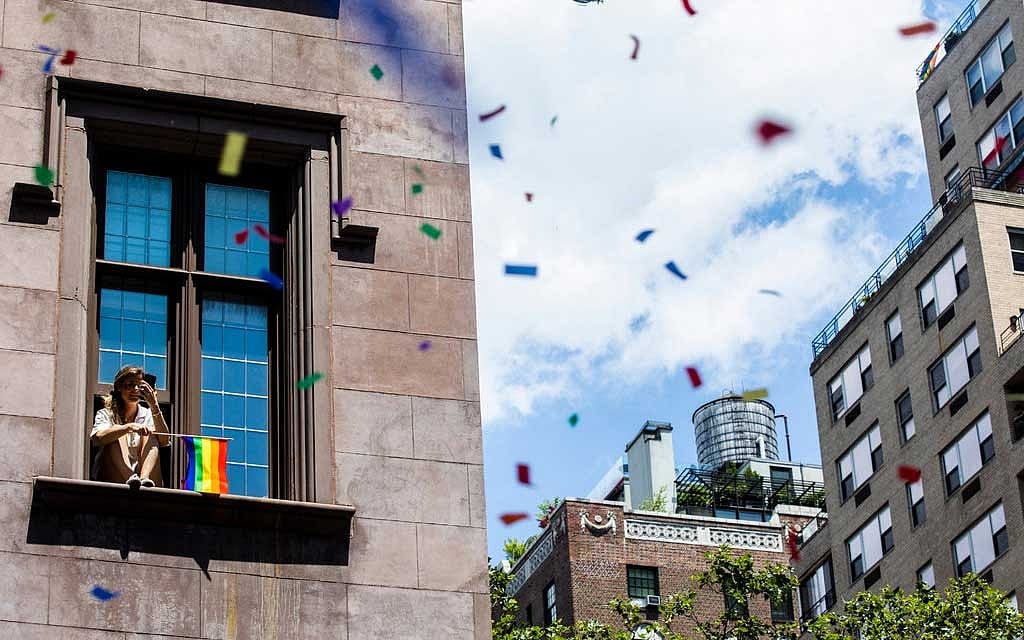
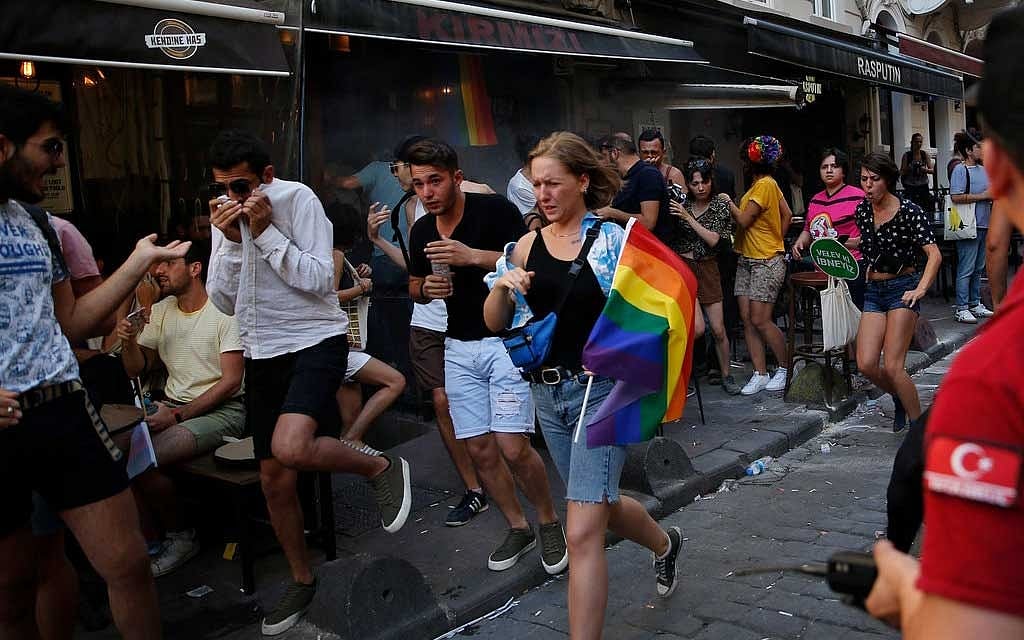
It was the Pride March, a buoyant global celebration of lesbian, gay, bisexual and transgender identity. It swept down Fifth Avenue and into Greenwich Village at a moment in history that many said was a crucial one, a half-century after the landmark Stonewall uprising: More gay rights have been affirmed than ever before, but LGBTQ issues remain a flash point in the nation’s culture wars.
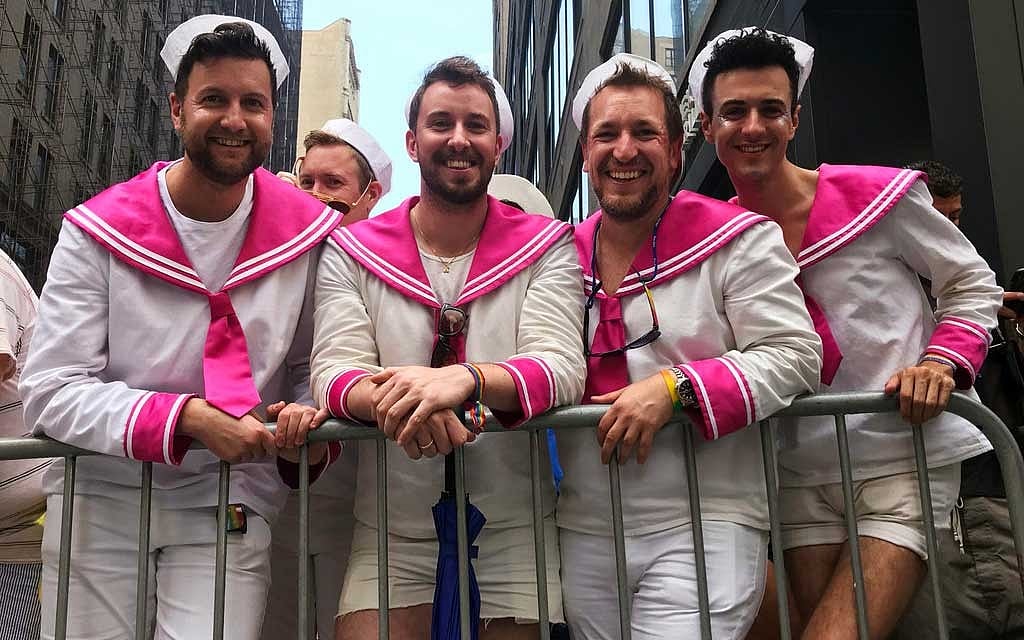
Paal Christian Gjoeen, second from the right, and three fellow members of Oslo Fagottkor, a Norwegian gay choir. The New York Times
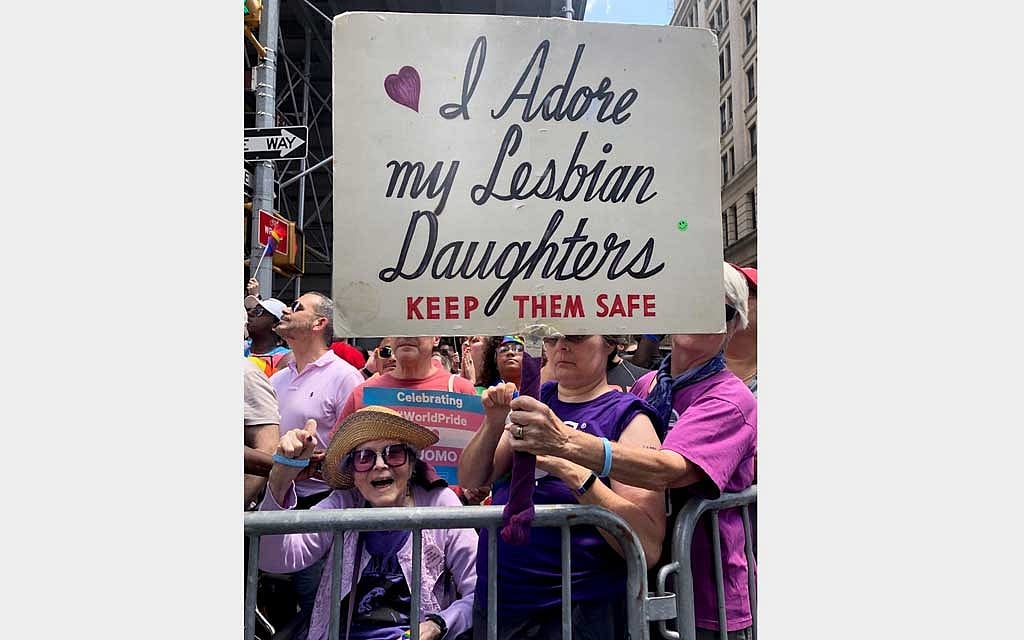
Frances Goldin never misses a Pride march, and neither does her sign. The New York Times
“It’s beautiful to see something like this happen, especially at a time like this and where our country is at politically,” said Joanna Fanizza, who watched the march with her friend Nitya Vink.
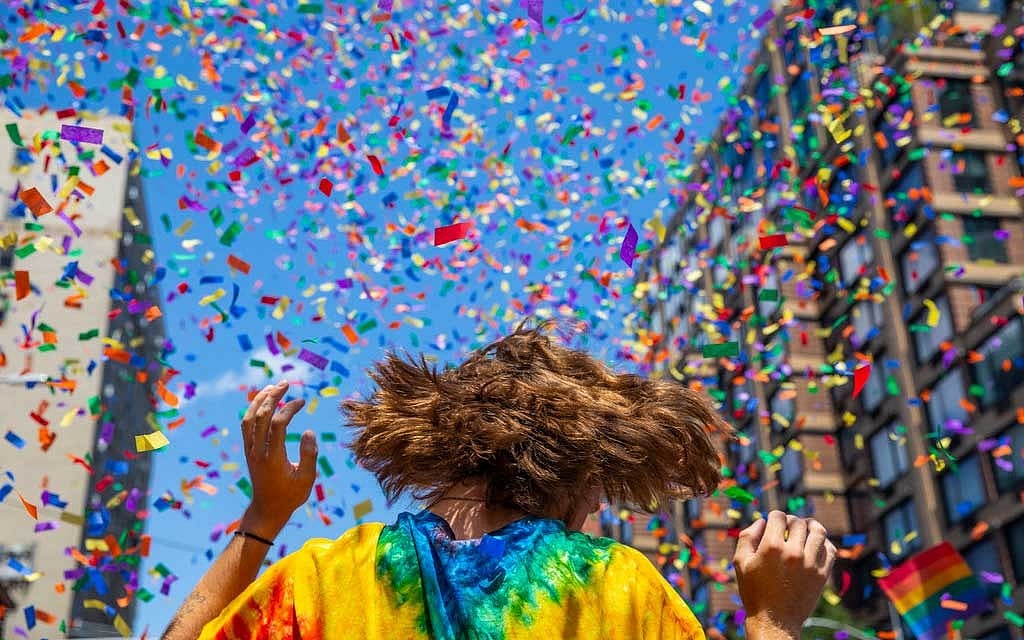
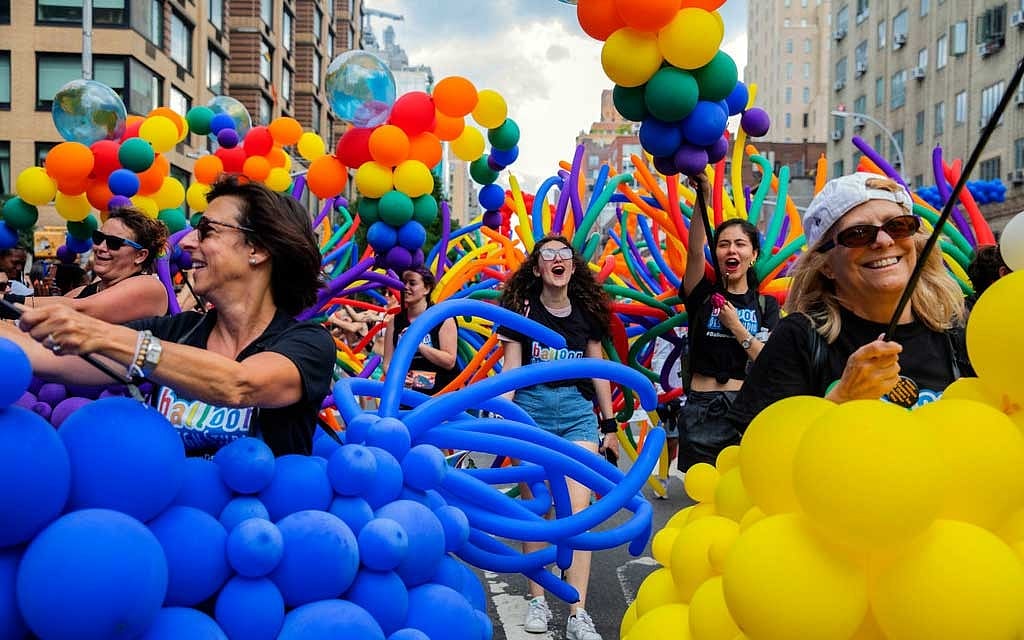
But the march was also showy and splashy. Bands blared. People in wild wigs and extravagant makeup danced. Rainbow balloons drifted skyward, and rainbow banners rippled in the early-summer breeze. Rainbow flags adorned apartment towers, town houses, storefronts, scaffolding and people: on their T-shirts, dresses, lei-like necklaces, socks and shoes.
Mexico City, a forerunner for gay rights. The New York Times
Finding that perfect view. The New York Times
The march brought together activists from across generations and around the world as one of the main events of WorldPride, the international LGBTQ gathering held every couple of years. Scheduling WorldPride for New York was a first: In the 19 years since its inaugural conference in Rome, WorldPride had never taken place in the United States.
“Fifty years ago, this is where the revolution began,” said Tiffany Fantasia, a drag queen from Miami, as she danced her way along. “Fifty years ago was when we decided enough is enough.”
© 2019 New York Times News Service










