


Published : 26 Feb 2019, 09:52 AM
Updated : 17 Oct 2022, 11:35 AM


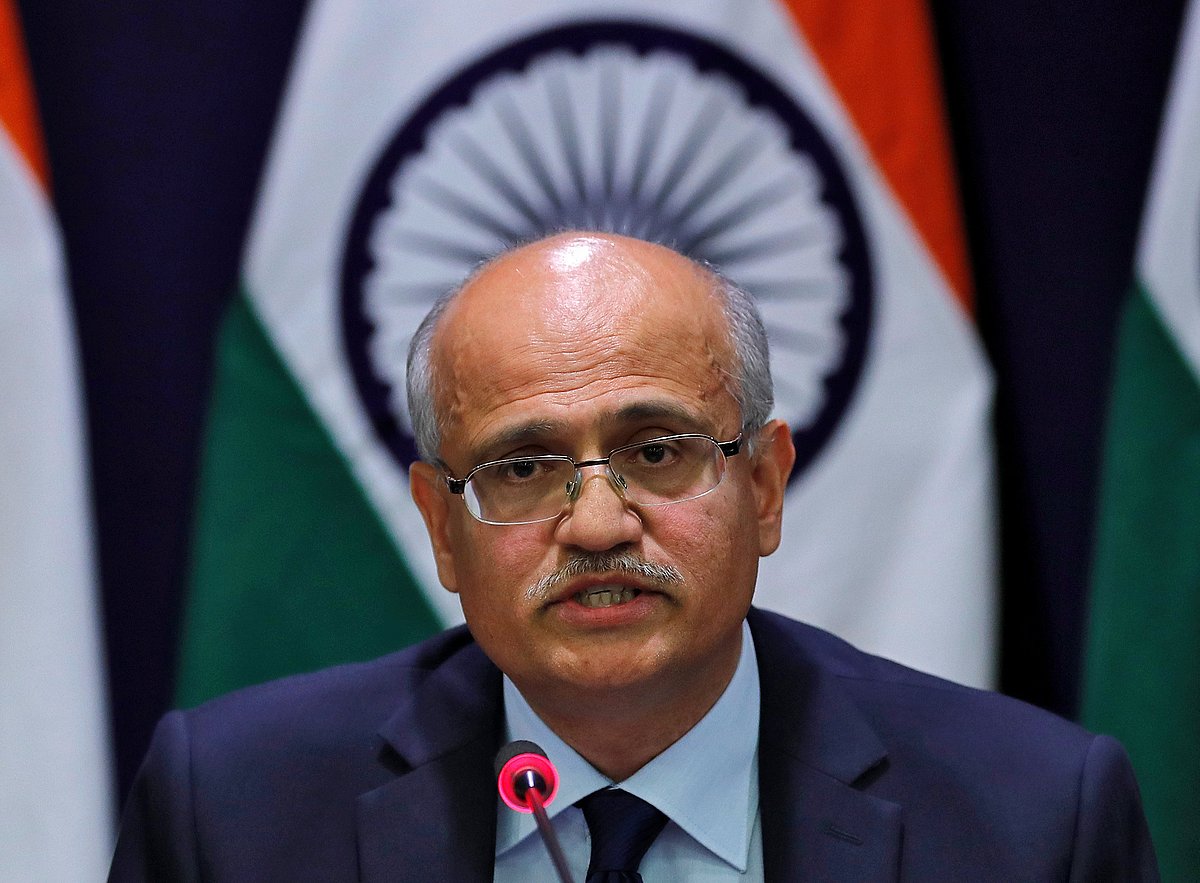
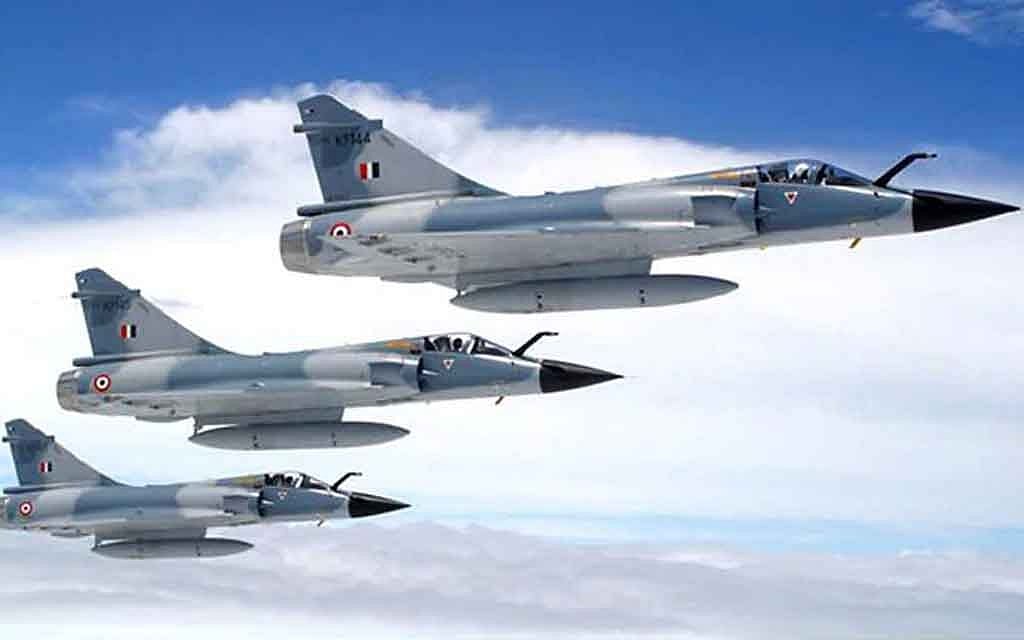
“A very large number of militants from Jaish-e-Mohammed” were killed when 12 Mirage jets dropped 1,000 kg bombs on their training camps around 3:30am Tuesday, said India's Foreign Secretary Vijay Gokhale in a media briefing at noon.
The Pakistan-based militant group had claimed responsibility for killing 40 Indian paramilitary police in Kashmir in a suicide attack on Feb 14. New Delhi blamed Islamabad, which denies having a role in the attack.
It was a "non-military, pre-emptive strike" on the biggest training camp of Jaish-e-Mohammed in Balakot, a town in the Khyber Pakhtunkhwa province in Pakistan, about 5 kilometres from the Line of Control, he said.
The Line of Control or LoC acts as a de facto border between the two countries that have fought three wars since their independence from British colonial rule in 1947.
India based its move on “credible intelligence” that Jaish-e-Mohammed was training suicide attackers to strike various parts of India, he said. “In the face of imminent danger, a pre-emptive strike became absolutely necessary."
“In this operation, a very large number of Jaish-e-Mohammed terrorists, trainers, senior commanders and groups of jihadis who were being trained for fidayeen [suicide] attacks were eliminated.”
“This facility at Balakot was headed by Maulana Yousouf Azhar, also known as Ustad Ghouri, the brother-in-law of Jaish-e-Mohammed chief Masood Azhar."
HAVE SENSE, SAYS PAKISTAN
Pakistan has so far responded by downplaying the strikes, saying there were no casualties or damage to infrastructure.
Pakistan Foreign Minister Shah Mahmood Qureshi urged India to have “better sense” and not challenge his country. "The Foreign Minister said the nation should not be worried over the Indian act as the defenders of the country are fully prepared to respond to any misadventure," Radio Pakistan added on its website.
Pakistan's military earlier said that Indian military aircraft crossed the frontier and "released a payload" after Pakistan scrambled its own jets.
"Indian aircrafts intruded from Muzafarabad sector," Pakistani military spokesman Major General Asif Ghafoor said on Twitter, referring to an area in the Pakistan-administered part of Kashmir.
Ghafoor said "facing timely and effective response from Pakistan Air Force", the Indian aircraft "released payload in haste while escaping which fell near Balakot. No casualties or damage."
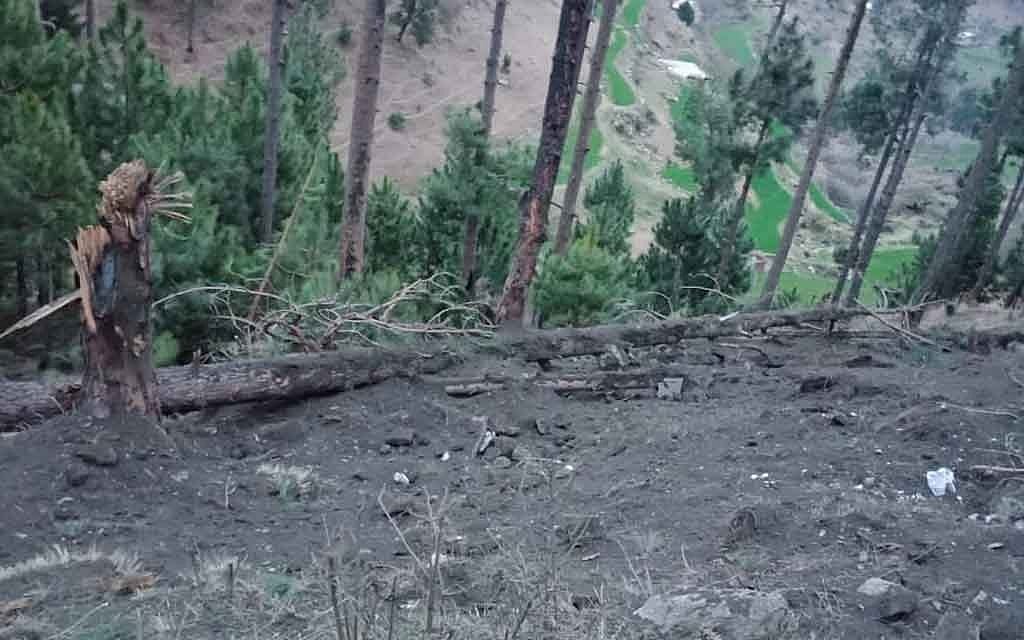
Saying that more information would be released, Ghafoor tweeted four pictures of the alleged site where Indian aircraft dropped a payload near Balakot, purportedly showing a bomb crater in a forest area but no serious damage.
Pakistani villagers in the area where Indian jets struck said they heard four loud bangs but reported only one person wounded by bomb shards.
"We saw trees fallen down and one house damaged and four craters where the bombs had fallen," said Mohammad Ajmal, a 25-year-old who visited the site, told Reuters.
India's military has taken steps necessary to defend the country, Prakash Javadekar, human resource development minister, had said earlier.
He said Prime Minister Narendra Modi had given a free hand to the military to respond to the attack on the Indian security convoy.
According to the NDTV, Modi was briefed on the operation in a meeting with cabinet ministers in his official residence in Delhi.













