


Published : 23 Feb 2022, 10:26 PM
Updated : 21 Oct 2022, 03:36 PM


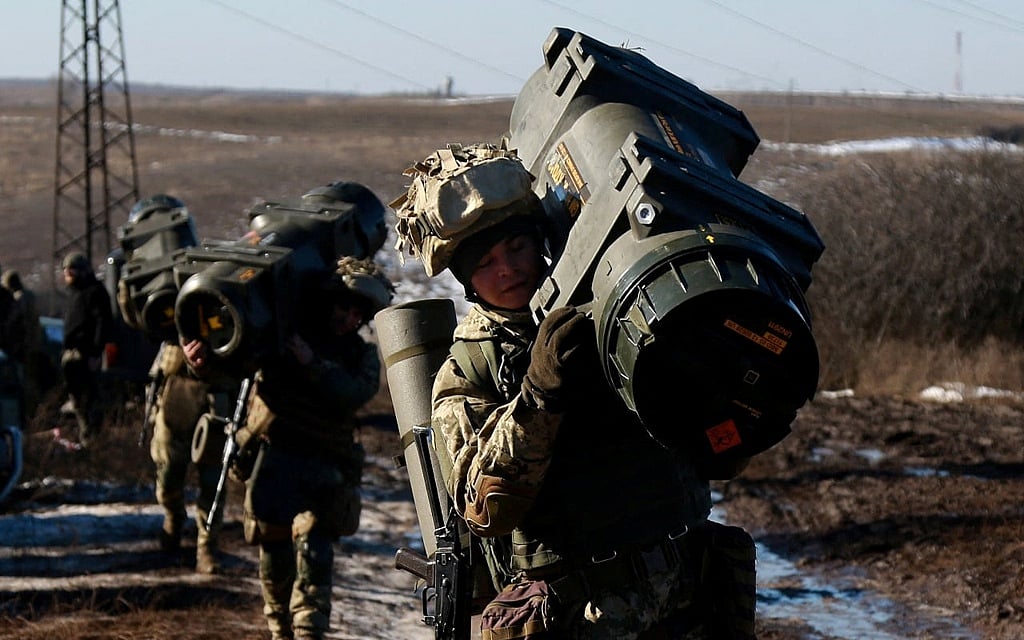
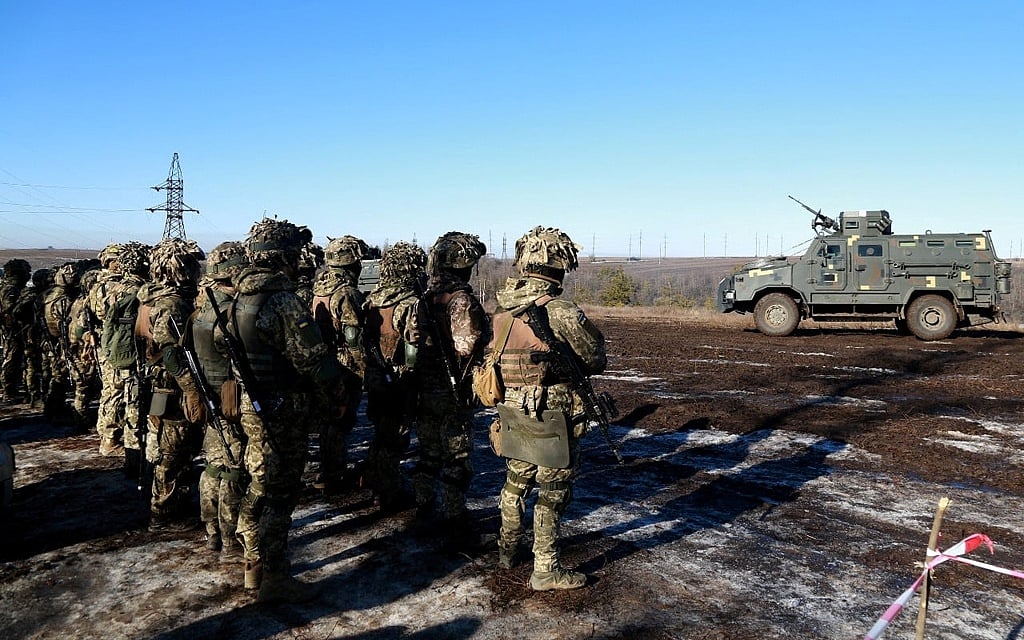
“Our army is ready” to defend against an attack by Russian forces, said Oleksiy Danilov, the head of Ukraine’s national security and defense council.
A day after Western officials said that more Russian troops had entered eastern Ukraine following Putin’s decision to recognize the independence of two areas partly controlled by Russia-backed separatists, there was little immediate sign of a major military escalation. But with Russia having built up 190,000 troops in and around Ukraine, according to US officials, the deployment of Russian troops across the border signaled what President Joe Biden on Tuesday called “the beginning of a Russian invasion of Ukraine.”
On Wednesday, Australia, Canada and Japan joined the United States, European allies and other nations in announcing sanctions against Russia, whose actions Prime Minister Justin Trudeau of Canada called “a threat to the security and stability of the region and the international rules-based order.”
Putin remained defiant, saying in a video speech released Wednesday that “the interests of Russia and the security of our citizens are unconditional for us.”
Service members of the Ukrainian Armed Forces take part in military drills at a firing ground in the Donetsk region, Ukraine, February 15, 2022. Picture taken February 15, 2022. General Staff of the Ukrainian Armed Forces/Handout via REUTERS
The Biden administration and European allies have warned that the sanctions imposed so far are only the beginning. Tougher penalties will be imposed “if Russia goes further with this invasion,” Biden said Tuesday.
But Russia’s ambassador to Washington said that sanctions would hurt global financial and energy markets, creating pain for Americans as well, and that Russia would not “revise its foreign policy under a threat of restrictions.”
“I don’t remember a single day when our country lived without any restrictions from the Western world,” the ambassador, Anatoly Antonov, said on Facebook. “We have learned to work in such conditions. And not only to survive, but also to develop our state.”
Across Europe, humanitarian groups warned that a further Russian invasion could plunge millions of people into a humanitarian emergency, possibly sending large numbers of refugees fleeing for safety toward European Union nations. The US military has sent 5,000 troops to Poland, an EU member that borders Ukraine, to assist with possible arrivals.
The European commissioner for migration, Ylva Johansson, said during a visit to Poland on Tuesday that EU officials were making plans to deal with any large-scale arrival of Ukrainian refugees.
“We have to be prepared if there will be a massive inflow of refugees of Ukrainians into the European Union,” she said.
© 2022 The New York Times Company







