


Published : 29 Oct 2019, 04:20 PM
Updated : 17 Oct 2022, 11:48 AM


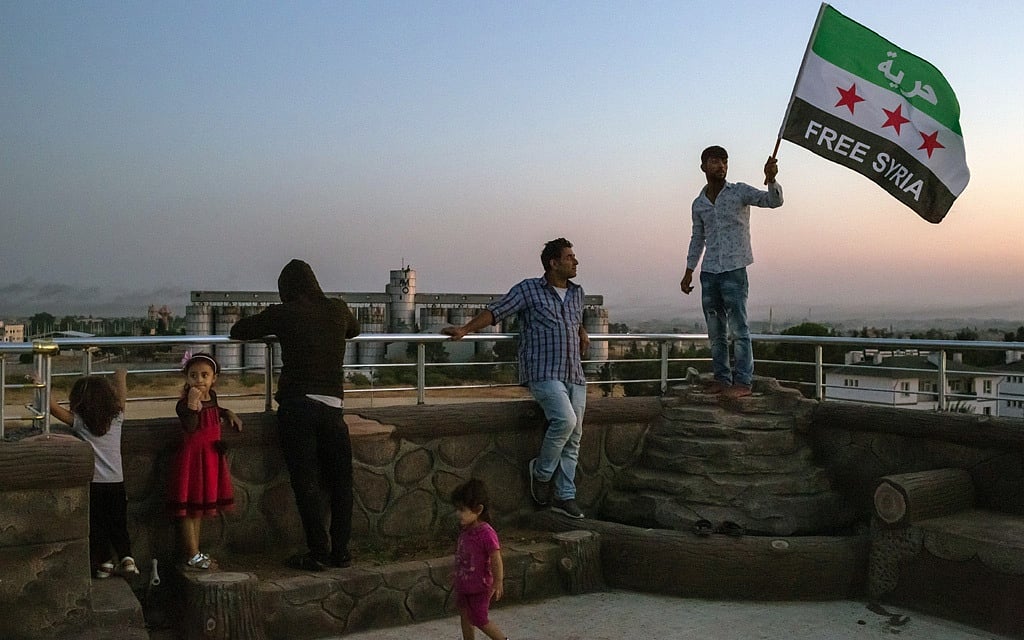
Al-Baghdadi, who was killed in a nighttime raid by US Special Operations forces in Syria early Sunday, brought a trail of carnage into their lives through the Islamic State group, also known as ISIS, destroying their homes and their cities and ultimately forcing hundreds of thousands of people to flee.
The chaos unleashed by the Islamic State’s rise and the battles to destroy it are far from over, and the fighting, displacement and destruction are likely to disrupt people’s lives for years to come, so it is perhaps not surprising that al-Baghdadi’s death gave the survivors little solace.
“I lost my brother because of the ISIS organization and the despicable Baghdadi,” said Mohammad Salif al-Jaddi, an employee at the electricity department in the Iraqi city of Mosul. “I hope to see the Islamic State organization totally obliterated.”
The raid was no doubt a serious blow to the Islamic State group, which has been decimated by five years of fighting Iraqi and Syrian Kurdish troops working closely with the United States, although its reach has already spread beyond the region.
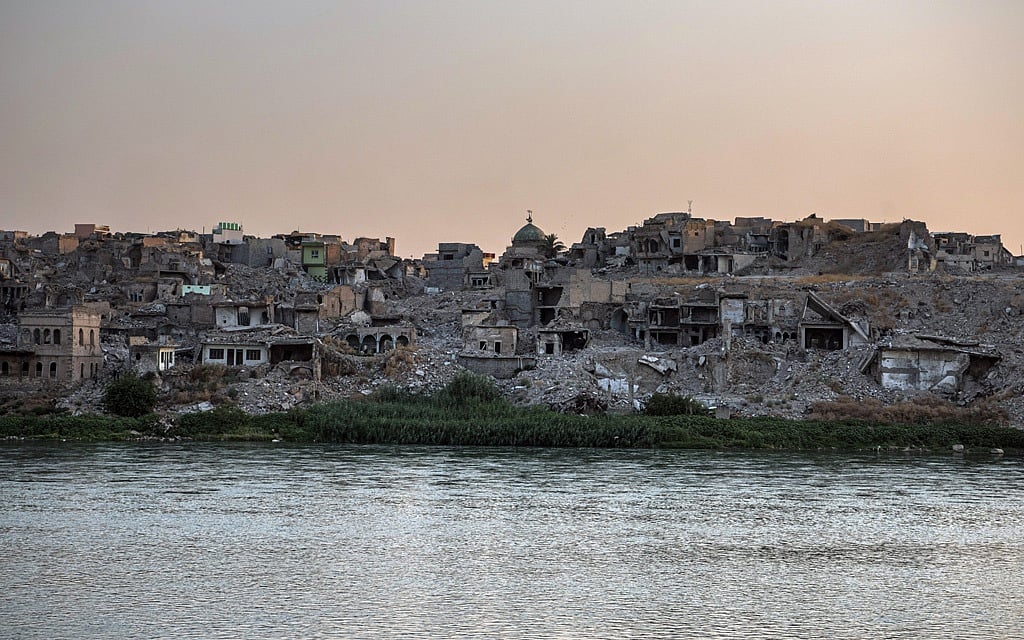
File Photo: A view of the old town of Mosul, Iraq, which suffered enormously because of the Islamic State, on Aug 11, 2019. The New York Times
Since the Islamic State group lost the last of its territory in northeastern Syria, its cells have continued to carry out guerrilla attacks in the area. Although it is not yet clear how the group will respond to al-Baghdadi’s death, experts said they expected the group to continue on with new leadership, a sentiment shared by those who experienced life under the Islamic State.
“I don’t think that Daesh ends by killing this person who destroyed our revolution, killed my brother and displaced us,“ said Yasmin Mashaan, a refugee in Germany from Deir el-Zour, an Islamic State stronghold on the Euphrates, using another name for the group.
“I am happy when every tyrant receives such a fate, whether it is Baghdadi who killed my brother, or Bashar al-Assad, who killed my other four brothers,” she said, referring to the Syrian leader.
The violence and upheaval in Syria has many authors. But the Islamic State group brought a unique form of daily terror to the territory that it sought to transform into its brutal, medieval vision of God’s rule on earth.
Although the militants brought a level of administrative order to the areas it ruled at first, its violent subjugation of the civilians living there, coupled with the battles that consumed its territory as the US-led coalition tried to destroy the group, made it all but impossible for civilians to survive the Islamic State’s rule intact.
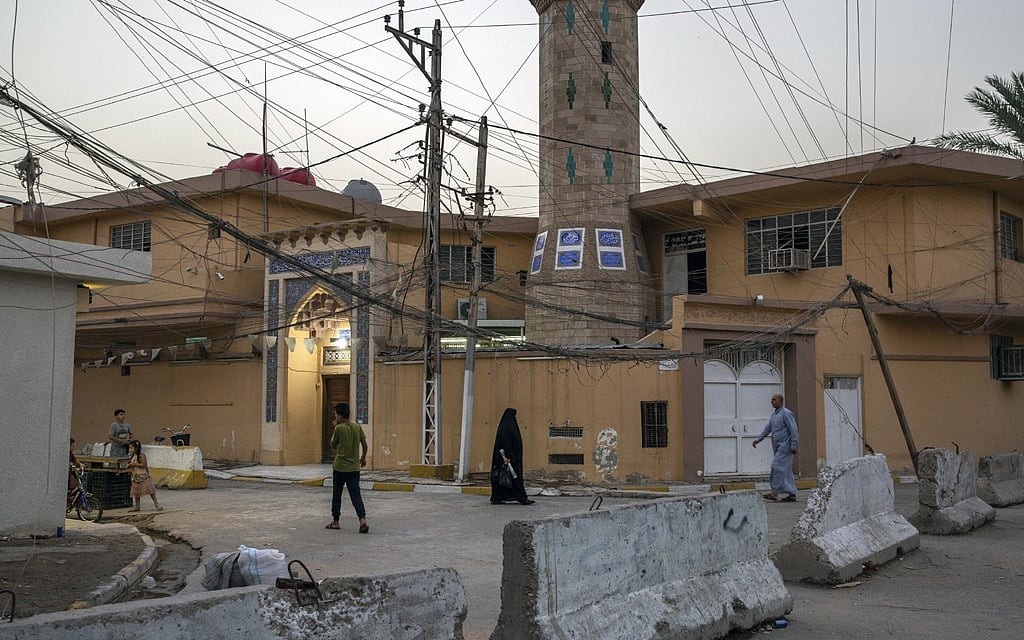
File Photo: Pedestrians on Oct 22, 2018, in the Topchi area of Baghdad, where Abu Bakr al-Baghdadi once lived and preached. The New York Times
Civilians lived under constant threat of airstrikes from the US-led coalition. Escape routes were seeded with Islamic State snipers and land mines.
For Hussam Hammoud, 27, an activist from Raqqa, the onetime capital of the Islamic State, al-Baghdadi’s death was a reminder of the suffering experienced by those who were forced to live under his uncompromising and extremist movement.
“The victims of this organization are all over the place,” said Hammoud, who said that he fled to Turkey because the Syrian army, which was his original enemy, was now advancing toward him. “We are happy that he was killed, but we do not think our misery will end because of that.”
With Russia, Turkey, the Syrian government, US troops and Kurdish fighters all jostling for position in northeastern Syria, the onetime heart of the so-called caliphate, in the aftermath of Trump’s decision to withdraw troops from the area, many Syrians are still suffering from the violence there.
Arin Sheikhdoms, a journalist from Qamishli, a city in northeastern Syria on the border with Turkey, said there was some satisfaction in seeing al-Baghdadi killed.
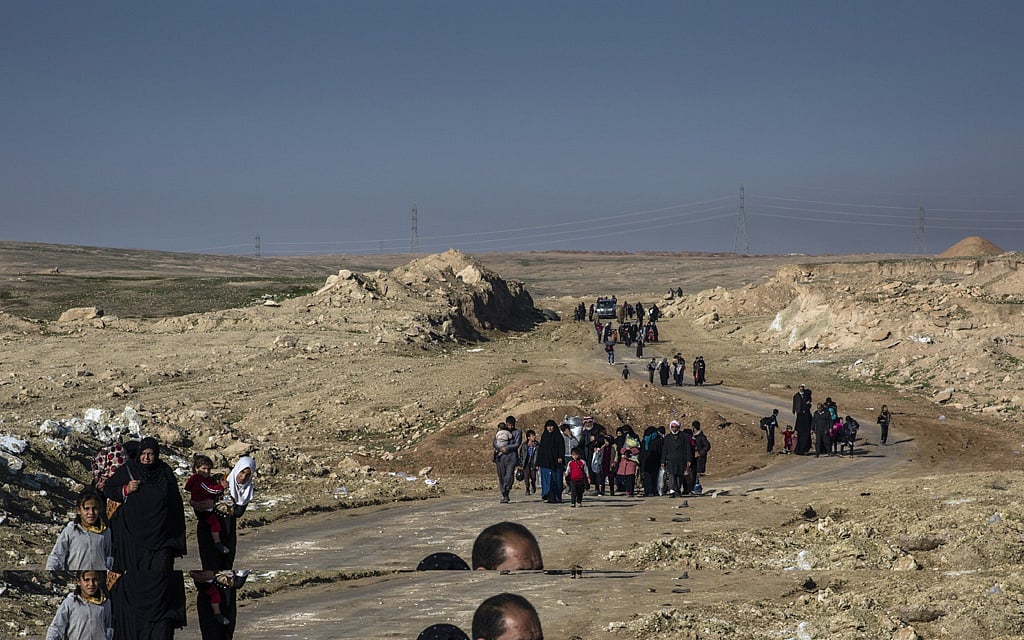
File Photo: People flee clashes between Iraqi security forces and the Islamic State in Mosul, Iraq, on Mar 7, 2017. The New York Times
In Mosul, where the fight against the Islamic State group left the old city in rubble and forced countless families to flee while leaving everything behind, there was little room for satisfaction from his death.
“He deserves a worse and more abhorrent death than this one because what he did was not a small thing at all,” said Abu Nufal Mukhtar al-Makawi, an Arabic language teacher in Mosul, who said that he was still looking for the bodies of his three sons who were taken by the Islamic State.
“His dirty fighters waged a brutal and vicious fight and ended up killed in the streets of Mosul and their bodies eaten by the dogs and their body parts are buried in the trash where they belonged,” he added, saying they had “annihilated Islam and the country and especially Mosul.”
© 2019 New York Times News Service













