


Published : 21 Dec 2016, 02:33 PM
Updated : 19 Oct 2022, 05:36 PM


Also Read:
Aleppo: Before and After the BattleBut for the past four years the Citadel's high stone ramparts have been on the front line of fighting pitting the Syrian army and its allies against rebels who occupied much of the Old City surrounding the fortress.
Sudden advances by the army led to a ceasefire last week and evacuation of insurgents and many civilians, ending the warfare in Aleppo and putting the city entirely into government hands.
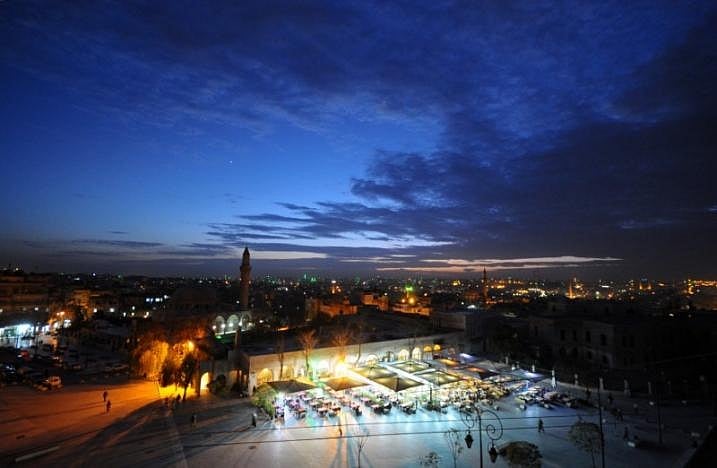
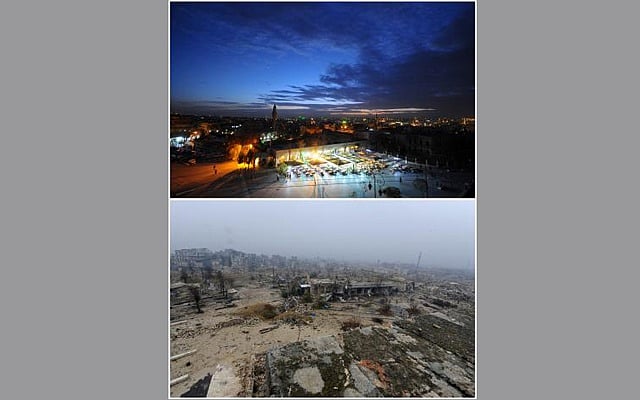
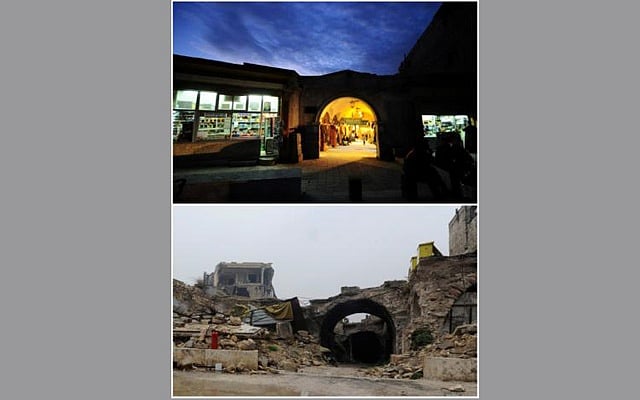
Reuters photographs from before and after the fighting reveal how the city has been scarred by years of air strikes, shelling, street fighting, fires and neglect.Slideshow
The fate of Aleppo, listed by the United Nations as a World Heritage Site, has been the subject of great anxiety for city residents, archaeologists, historians and travellers, even as they despair for the human suffering caused by the fighting.
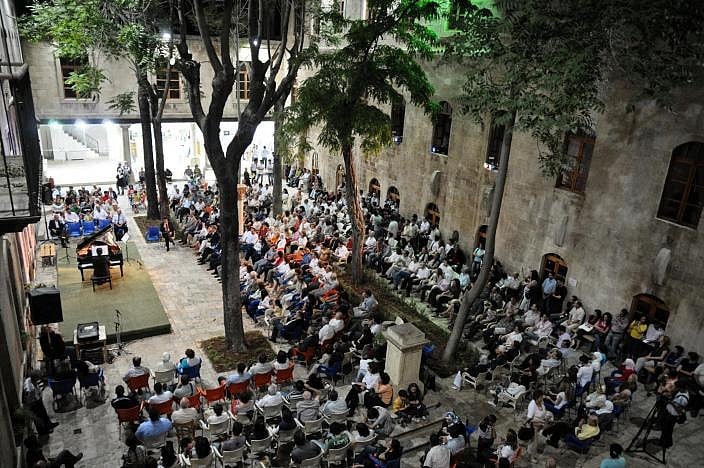
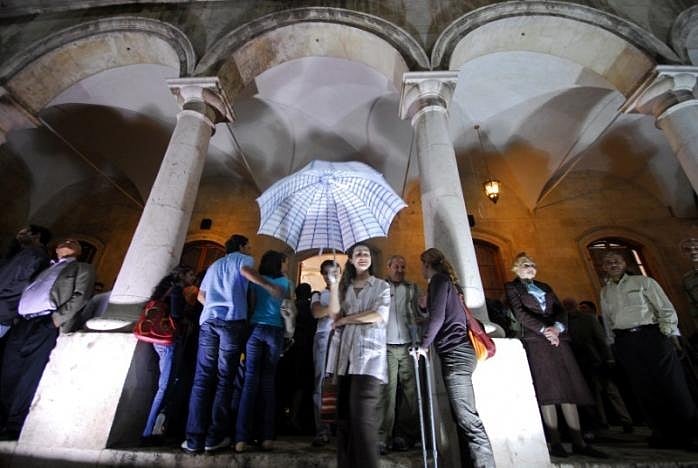
People attend a music concert in al-Sheebani school's courtyard, in the Old City of Aleppo, Syria June 6, 2009. Reuters
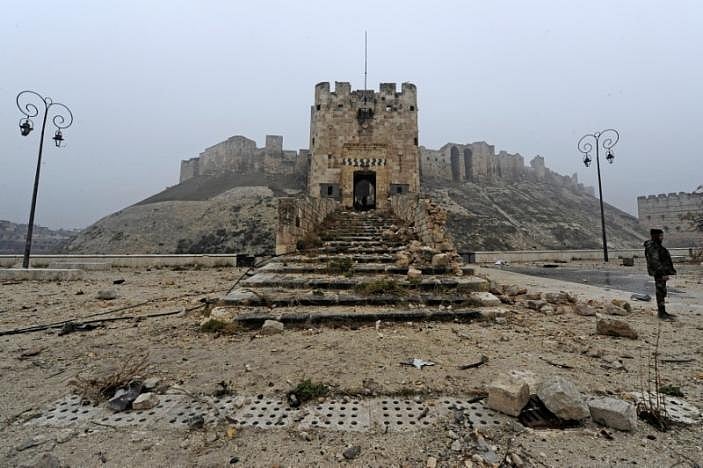
A member of forces loyal to Syria's President Bashar al-Assad stands in front of Aleppo's historic citadel, during a media tour, Syria December 13, 2016. Reuters
Large sections of Aleppo's Islamic-era covered market or souk, one of the most extensive in the world, were destroyed in clashes in 2012 and 2013, and the 11th century minaret of the Umayyad mosque was brought down by shelling.
During a visit to the Old City and inside the Umayyad mosque with the Syrian army, reporters were shown rubble-strewn streets and scorched walls that were once part of the souk, pocked with bullet holes and daubed with slogans.
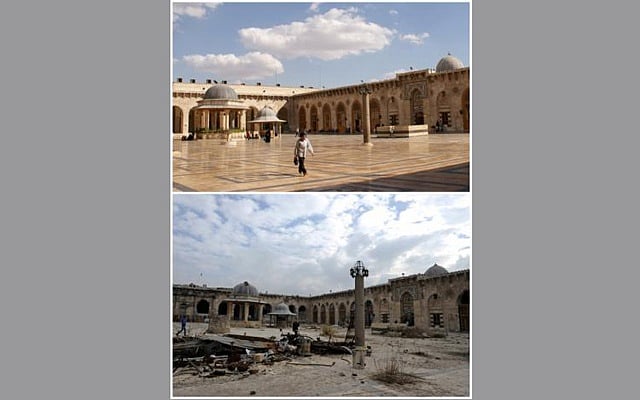
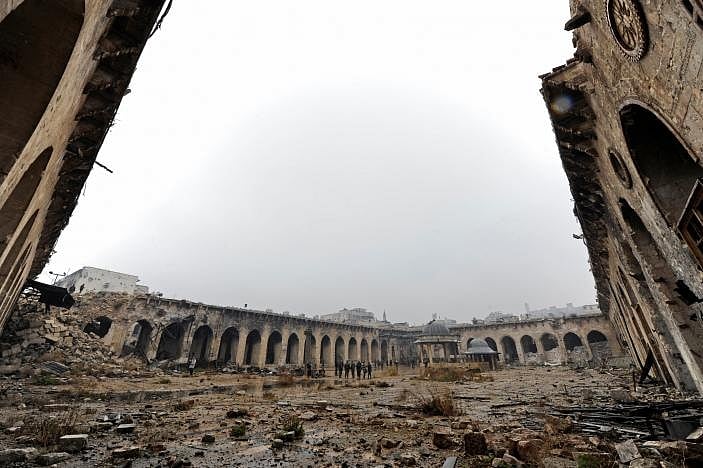
The Umayyad mosque was also scarred by the fighting, and the remains of its ancient stone minaret lay in a heap in one corner where it had collapsed after suffering a direct hit, but despite damage, its elegant floor and arcaded walls remained.
"The eye and its pupil"
While the city, one of the oldest continuously habited in the world, was split into warring government and rebel sectors, the army retained control of the citadel even when it was surrounded by insurgents on three sides and could only be accessed by a tunnel.
Men walk near damage inside Aleppo's Umayyad mosque, Syria December 13, 2016. Reuters
Despite that exposed position, and repeated attempts by rebels to capture it, the damage to the Citadel, with its towering gatehouse and sloping arched bridge, was not as bad as elsewhere in the Old City. Government snipers fired at rebels through arrow slits in walls.
"There is some damage but it can be managed. The situation is good inside the Citadel but the disaster and the real damage was inflicted on the old market," said Mamoun Abdelkarim, Syria's Director General of Antiquities.
During its stormy history, Aleppo has been controlled by Hittites, Assyrians, Arabs, Mongols, Mamluks and Ottomans and it bears the marks of many of those conquerors in its diverse architectural styles.
The great Ayyubid leader Salah al-Din, who battled European Crusaders in the 12th century, described Aleppo as being "the eye of Syria, and the citadel is its pupil".
No stranger to war and disaster, the Citadel was damaged by the Mongol invasion of 1260 and again destroyed by invading forces in 1400. It was used as a barracks for Ottoman troops and more recently for soldiers during the French mandate. It sustained heavy damage in the earthquake of 1822.
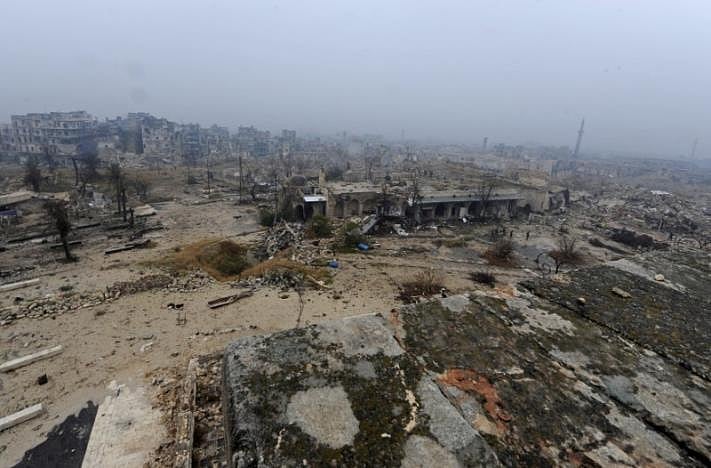
A general view shows damage in the Old City of Aleppo, Syria December 13, 2016. Reuters
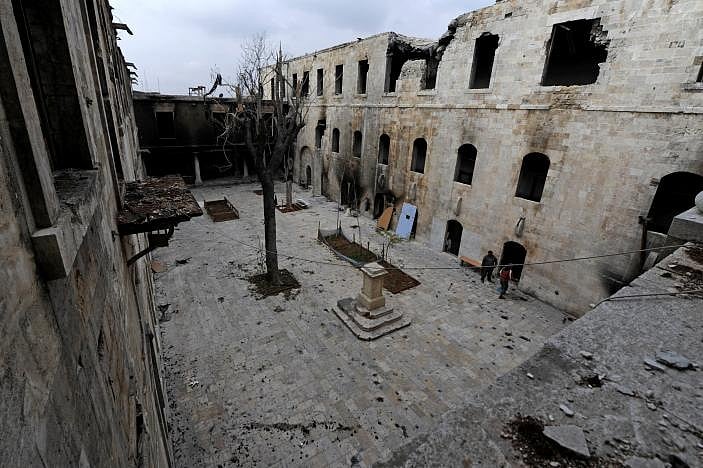
A general view shows damage in al-Sheebani school's courtyard, in the Old City of Aleppo, Syria December 17, 2016. Reuters
Aleppo's Old City and citadel had been restored in 2004.
One of the tactics used by rebels in the intense street fighting through the Old City's narrow alleyways was the detonation of mines, dug beneath army positions in tunnels. The soldier said even on top of the citadel one such blast, under the Carlton Hotel, a landmark, had felt like an earthquake.
"The bodies of our comrades are still under the hotel rubble," he added.







