


Published : 04 Mar 2020, 03:04 AM
Updated : 17 Oct 2022, 11:03 AM


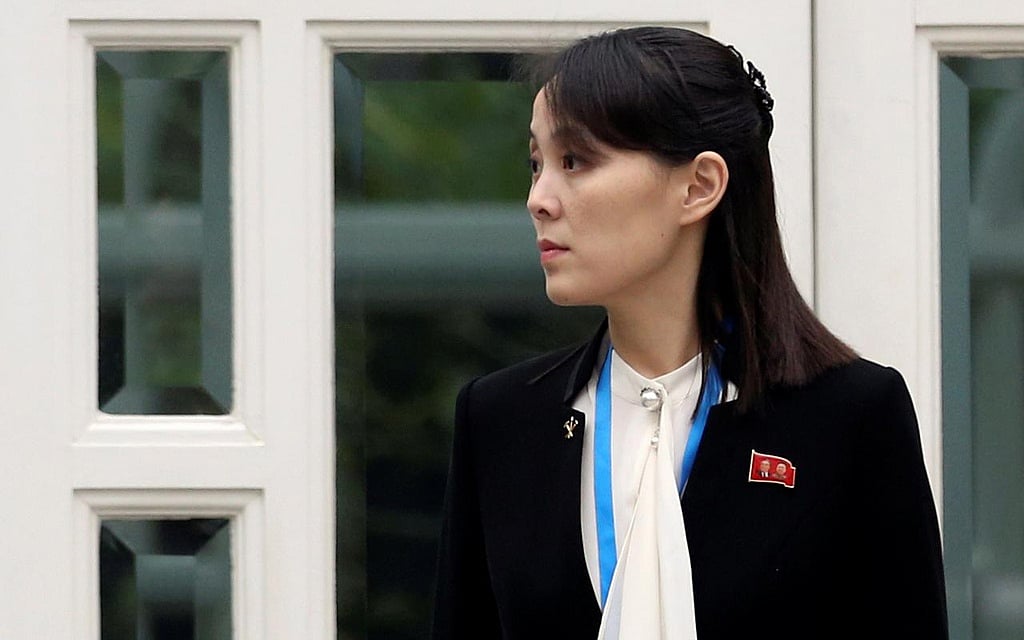
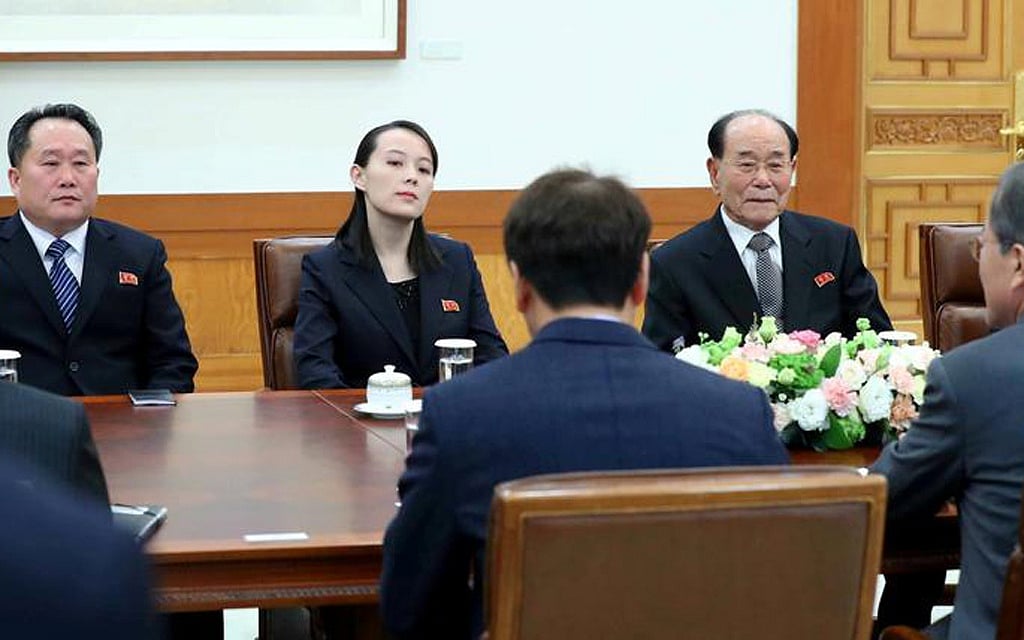
Kim Yo Jong, the leader’s only sister, also serves as one of his closest aides. She helped arrange the first summit meeting between Kim Jong Un and President Moon Jae-in of South Korea in 2018, visiting Seoul with her brother’s letter of invitation.
On Tuesday, in the first-ever statement issued under her name, Kim Yo Jong heaped scorn on South Korea, another sign that relations between the North and South have chilled since the collapse of a second summit meeting between Kim Jong Un and President Donald Trump in February last year.
On Monday, North Korea conducted its first weapons tests this year, which involved large-calibre rockets. Moon’s presidential Blue House, called Chongwadae in Korean, immediately blamed North Korea for raising tensions.
In her statement Tuesday, Kim Yo Jong said the South had no right to criticise the North’s test when it conducts its own exercises, whether alone or together with the United States.
South Korean President Moon Jae-in talks with President of the Presidium of the Supreme People's Assembly of North Korea Kim Young Nam and Kim Yo Jong, the sister of North Korea's leader Kim Jong Un, during their meeting at the Presidential Blue House in Seoul, South Korea, February 10, 2018. Yonhap via REUTERS
Kim Jong Un’s second summit meeting with Trump, in Vietnam last year, ended without an agreement over how to denuclearise North Korea or when to ease American-led UN sanctions.
North Korea has since called on South Korea to ignore international sanctions and bolster inter-Korean economic ties, a demand the South has resisted.
On Tuesday, Kim Yo Jong did not attack Moon by name. But she said that if South Korea “is set to get down to doing anything with us, it had better be more brave and fair and square.”
Last week, the United States and South Korea announced that they postponed their joint annual military drills, originally scheduled for this month, because of a coronavirus outbreak in the South. Kim Yo Jong said she doubted that the South would have cancelled the drills for any other reason.
©2020 The New York Times Company







