


Published : 04 Apr 2015, 02:27 AM
Updated : 19 Oct 2022, 06:40 PM


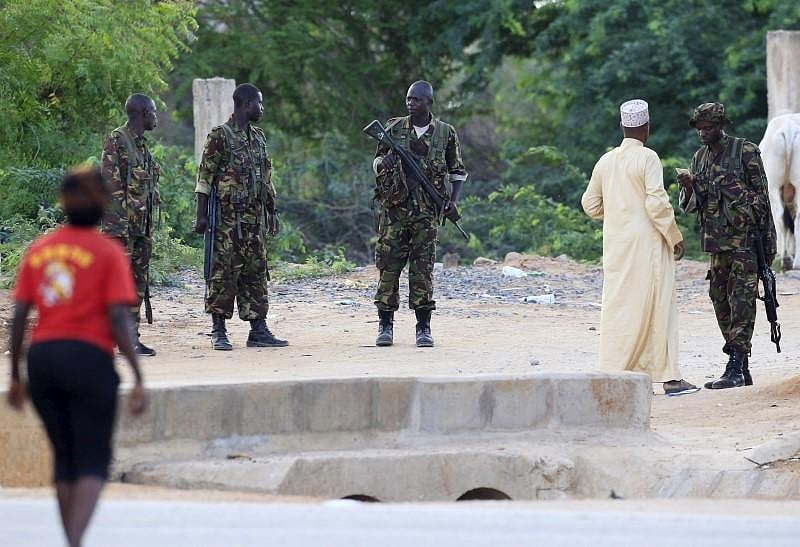
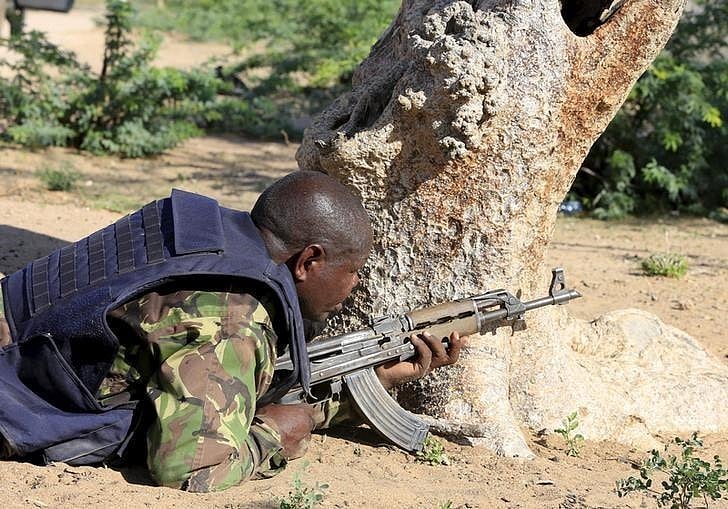
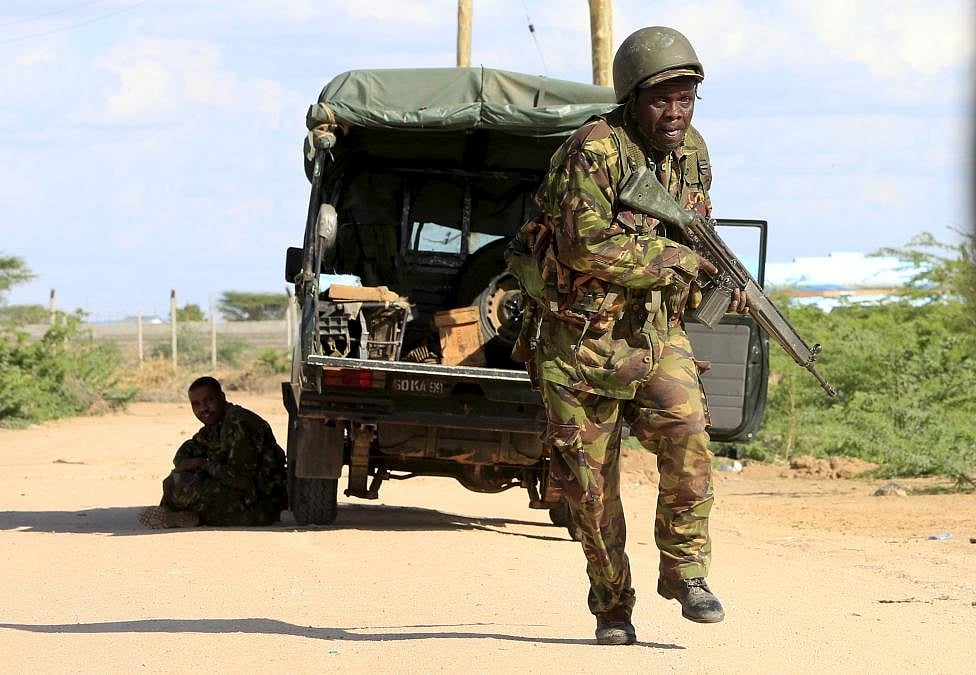
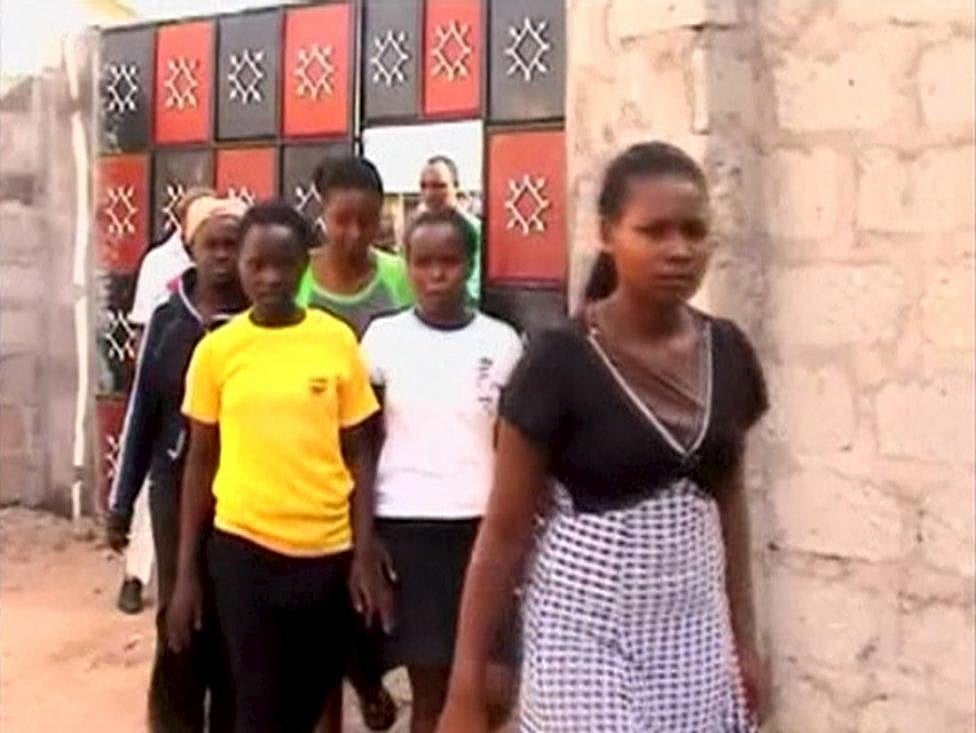
Strapped with explosives, masked al Shabaab gunmen stormed the Garissa University College campus, some 200 km (120 miles) from the Somali border, in a pre-dawn rampage on Thursday.
Tossing grenades and spraying bullets at cowering students, the attackers initially killed indiscriminately. But they later freed some Muslims and instead targeted Christian students during a siege that lasted about 15 hours.
Anger over the massacre was compounded by the fact there were warnings last week that an attack on a university was imminent.
Local residents accused the authorities of doing little to boost security in this little-developed region.
"It's because of laxity by the government that these things are happening. For something like this to happen when there are those rumours is unacceptable," said Mohamed Salat, 47, a Somali Kenyan businessman.
Officials said almost 150 people died, with at least 79 wounded, many critically.
But with an uncertain number of students and staff still missing, the casualties may yet mount.
"Yes, there is a likelihood of numbers going up," said one government source dealing with the Garissa attack.
Kenya's biggest-selling Daily Nation newspaper, citing sources, said the death toll would be significantly higher.
Outside the university gates, a throng of veiled women clung to the hope that missing people would still turn up alive.
"We are here waiting for news if we can find him, dead or alive," said Barey Bare, 36, referring to her cousin who worked as a clerk at the university and has been missing since Thursday.
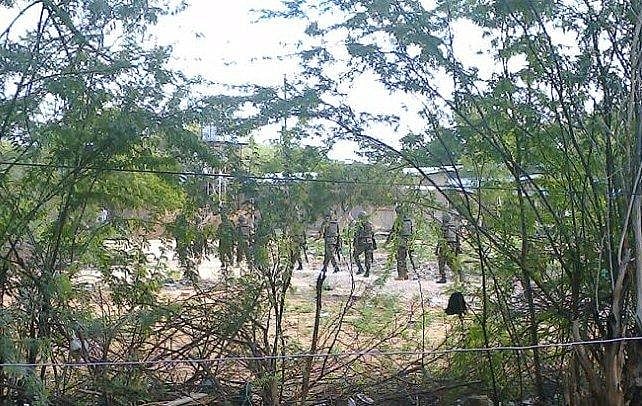
Kenya Defence Forces soldiers move behind a thicket in Garissa town in this photograph taken from a mobile phone April 2, 2015. Reuters
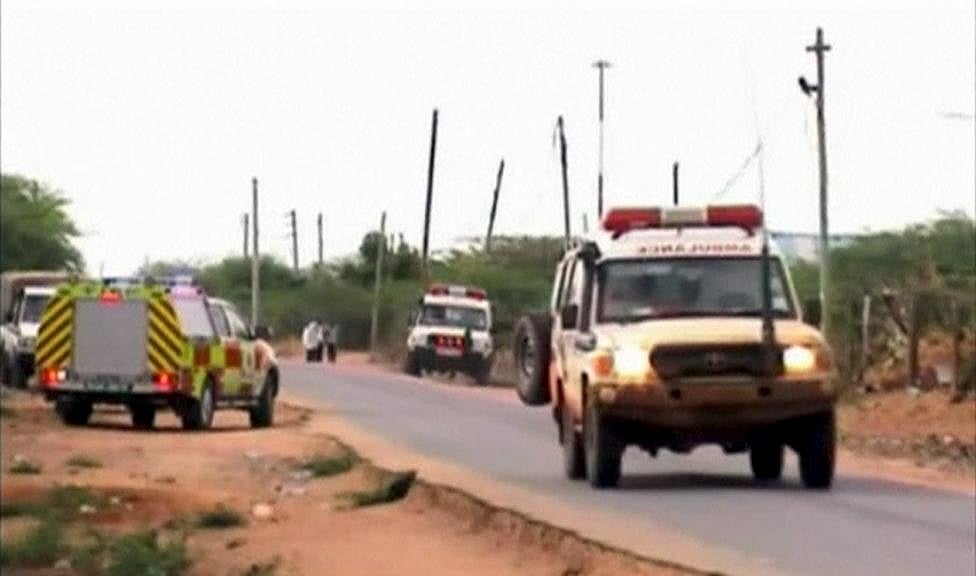
Emergency vehicles are seen parked along a road in Garissa, in this still image taken from video shot on April 2, 2015. Reuters







