


Published : 17 Mar 2015, 12:54 AM
Updated : 19 Oct 2022, 06:38 PM


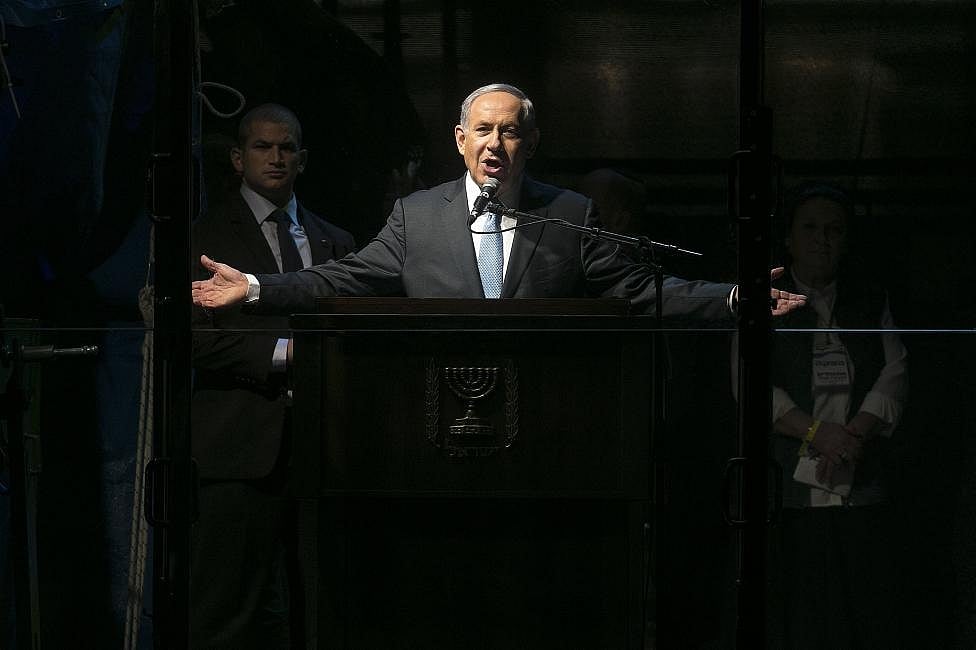
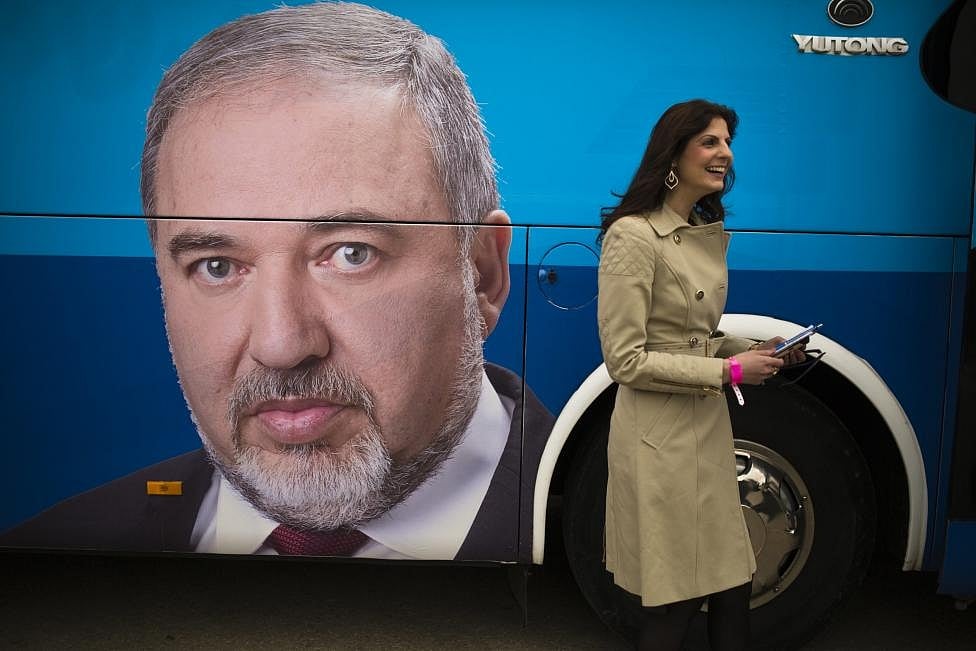

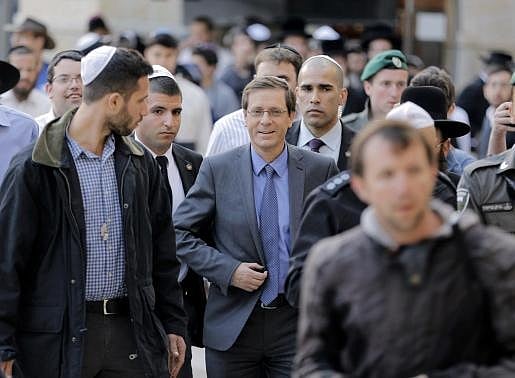
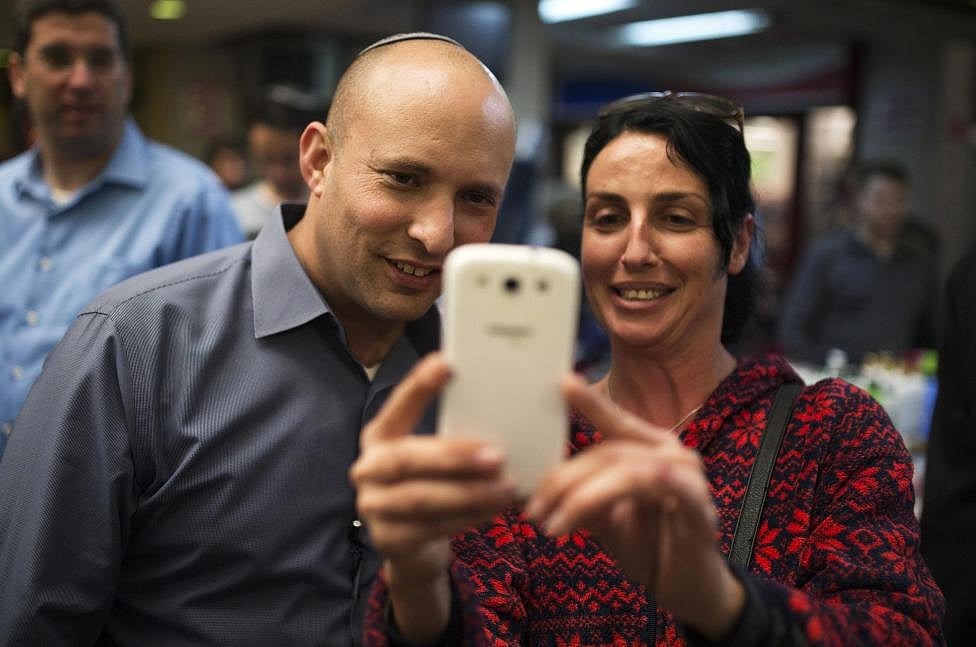
No party has won a majority of seats since Israel's first election in 1949.
Following are questions and answers about the vote and what sort of coalition negotiations could emerge:
What happens after polls close?
Israel's three major television stations broadcast exit polls when voting ends at 10 pm (1600 DST), estimating how many parliamentary seats each party has won, and then the coalition calculations begin.
Who's ahead in opinion polls?
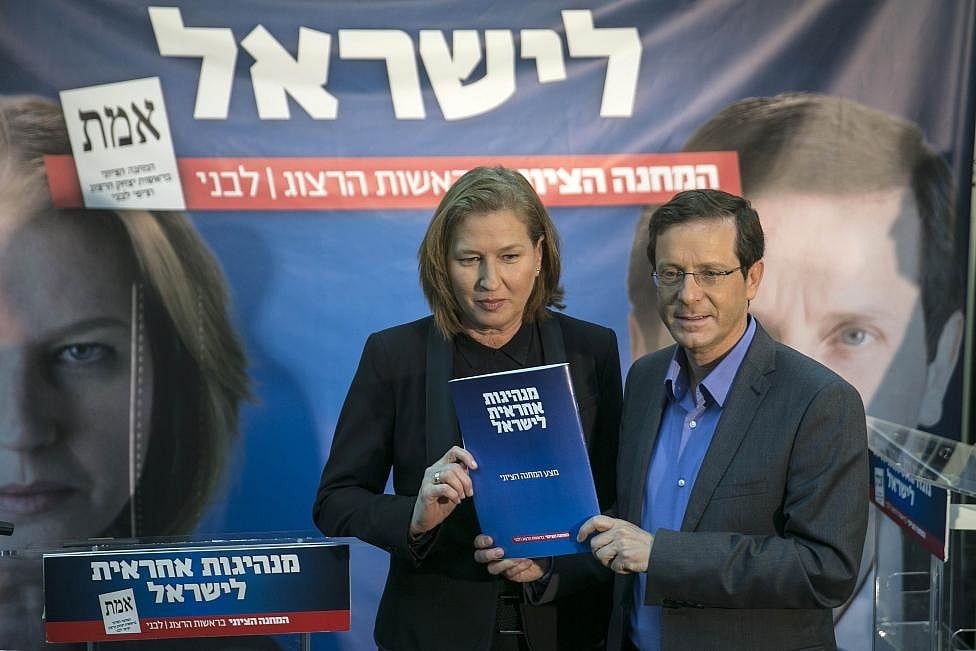
On the face of things, it's a tie between the two main parties: Prime Minister Benjamin Netanyahu's right-wing Likud and the centre-left Zionist Union led by Isaac Herzog and Tzipi Livni.
Taking past political affiliations and current policies into consideration, more parties seem likely to favour joining Likud in a coalition.
How does coalition-building work?
Israel's president, Reuven Rivlin, consults with the leaders of every party represented in parliament as to their preference for prime minister, and then chooses the legislator who he believes has the best chance of putting together a coalition.
The nominee, who does not necessarily have to be the head of the party that won the most votes, has up to 42 days to form a government before the president asks another politician to try.
What sort of coalition could be formed?
Based on current opinion polls, Netanyahu could form a government with a clutch of ultranationalist, Jewish Orthodox and centrist parties that have either already pledged their support or not ruled it out.
The arithmetic is much harder for the centre-left, although it is not impossible that they could assemble a narrow coalition if they win.
If Netanyahu wins, what does that mean for policy?
It would probably mean more of the same: tough talk on the need to halt Iran's nuclear programme and strong opposition to what he told the US Congress last week would be a bad deal between world powers and Tehran.
Jewish settlement building, at least in areas of the occupied West Bank that Israel has vowed to keep in any future peace deal with the Palestinians, is also likely to continue, in defiance of international condemnation.
Netanyahu could also try to freeze out some traditional allies - some of whom have quarrelled with him in the past - in favour of partnering with his main opponent, Zionist Union, in a so-called national unity government.
No major decisions are pending on the Palestinian issue as statehood talks collapsed in April, and both large parties agree that a nuclear deal with Iran would pose a major threat to Israel.
Therefore such an alliance, while unlikely, is not impossible.
During three terms as premier and a stint as finance minister, Netanyahu promoted free market reform, privatising government-owned companies and breaking up monopolies, while keeping the budget deficit in check.
A continued push for more market competition would be a primary focus should he win.
What about a Zionist Union-led government?
Likud strategists have been watching Zionist Union creep slightly ahead in some opinion polls, saying it might take only a four-seat lead for Herzog to have at least an even chance of forming a government.
Herzog has said that as prime minister, he would explore ways to resume peace talks with the Palestinians.
But the party has stopped short of calling for a total freeze on settlement building, saying only that construction outside areas that Israel hopes to hold onto permanently would lead to international isolation.
Zionist Union has made economic reform a major element of its election campaign, promising to lower accommodation prices with a "fair rent" law and reduce costs for education and healthcare.
With socialist-rooted Labour forming the bulk of the party, a win would probably bring an increase in social spending.
What are the unexpected factors to watch?
Parties representing Israel's Arab minority have for the first time formed a united list.
They are currently polling at around 13 seats in the 120-seat Knesset, which could make them the third largest group.
It would be the first time in Israel's history that Arab parties have held such sway.
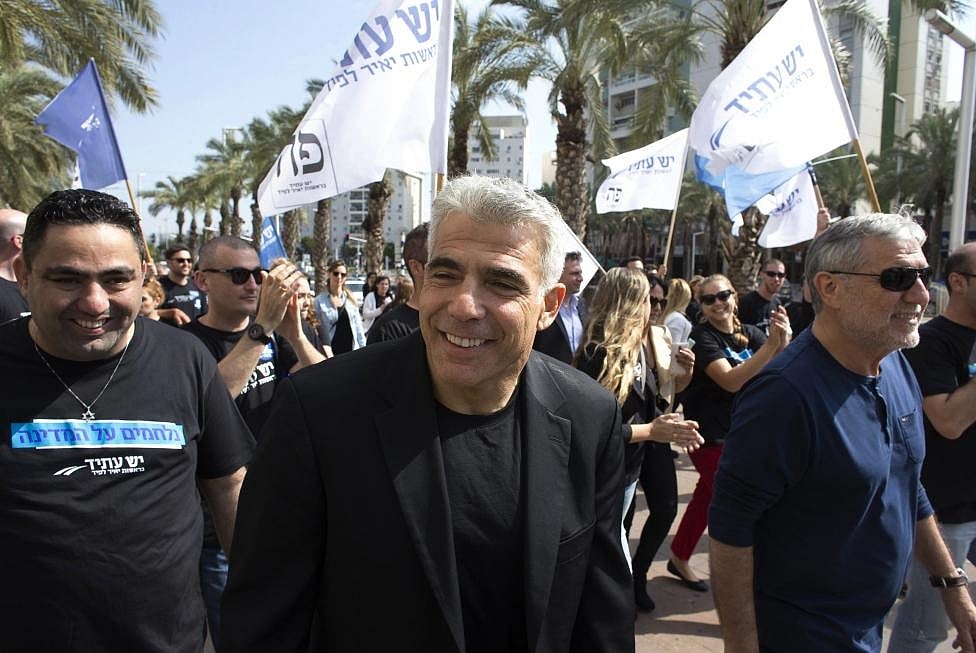
Also, Yesh Atid - a centrist group formed by former talk-show host Yair Lapid in 2012 - won a surprising 19 seats in the 2013 elections, putting it second.
It has dropped off slightly, polling 12-13 seats at the moment, but argues that the surveys don't fully capture its support among young urbanites.
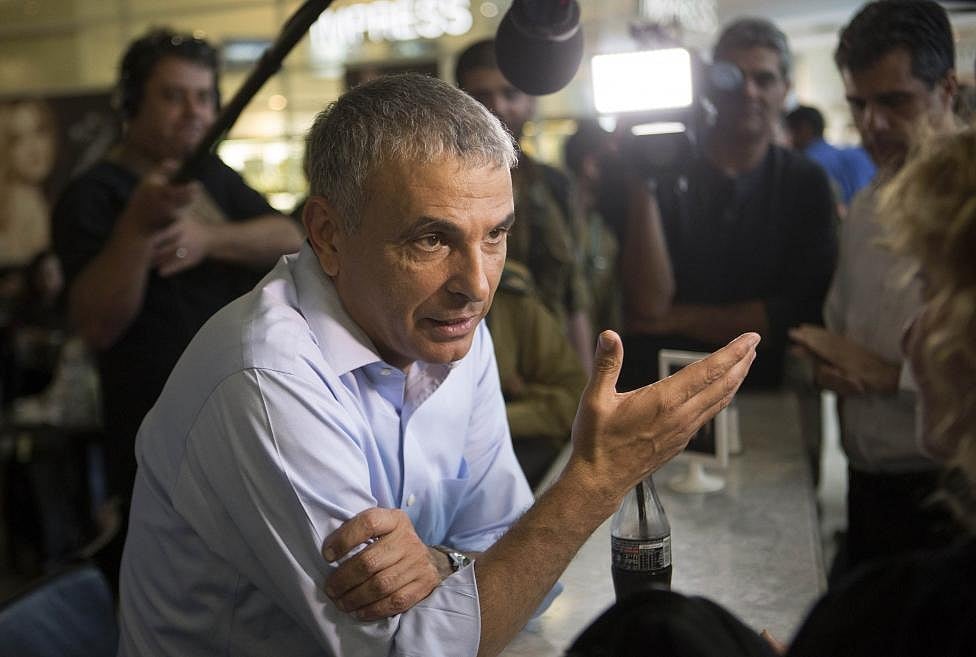
Moshe Kahlon, a former communications minister praised for having brought mobile phone charges down dramatically, has formed a centre-right group that is currently predicted to win around 10 seats.
He could side either with Netanyahu or with the centre-left, putting him in a possible kingmaker role.













