


Published : 01 Oct 2013, 08:37 PM
Updated : 23 Apr 2022, 06:15 PM


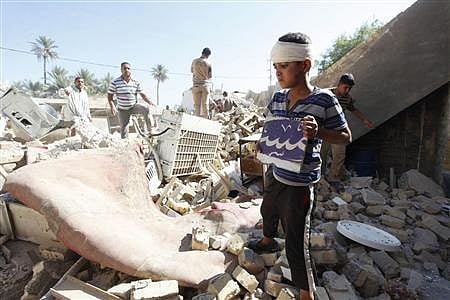
Most of the bloodshed was instigated by Sunni Islamist militants. In addition to 887 civilians, 92 members of the security forces were killed.
September's toll brought the number of people killed so far this year to 5,740, exceeding the toll for all of 2012, when the first yearly increase in civilian deaths was recorded since 2009 following the withdrawal of US troops in December 2011.
Overall, Baghdad was the worst-affected governorate.
"As terrorists continue to target Iraqis indiscriminately, I call upon all political leaders to strengthen their efforts to promote national dialogue and reconciliation," the UN envoy to Iraq, Nickolay Mladenov.
After reaching a climax in 2006-07, violence in Iraq eased when Sunni tribesmen banded together and found common cause with US troops to rout al Qaeda, forcing it underground.
But the group has been reinvigorated this year by growing resentment of Iraq's Shia-led government, which minority Sunnis accuse of marginalizing them since the overthrow of Saddam Hussein in 2003.
The civil war in neighboring Syria, where mainly Sunni rebels are fighting to topple a leader backed by Shia Iran, has also put strain on Iraq's delicate intercommunal balance.
In the latest violence, a suicide bomber drove up to a police station in Tikrit and blew himself up, killing at least two guards.
Two gunmen disguised in police uniform then managed to enter the building, home to a unit specializing in bomb defusing, and clashed with staff inside for nearly one hour. They killed three policemen, including a colonel, before they were shot down, police said.







