


Published : 03 Jan 2020, 10:04 PM
Updated : 17 Oct 2022, 10:58 AM


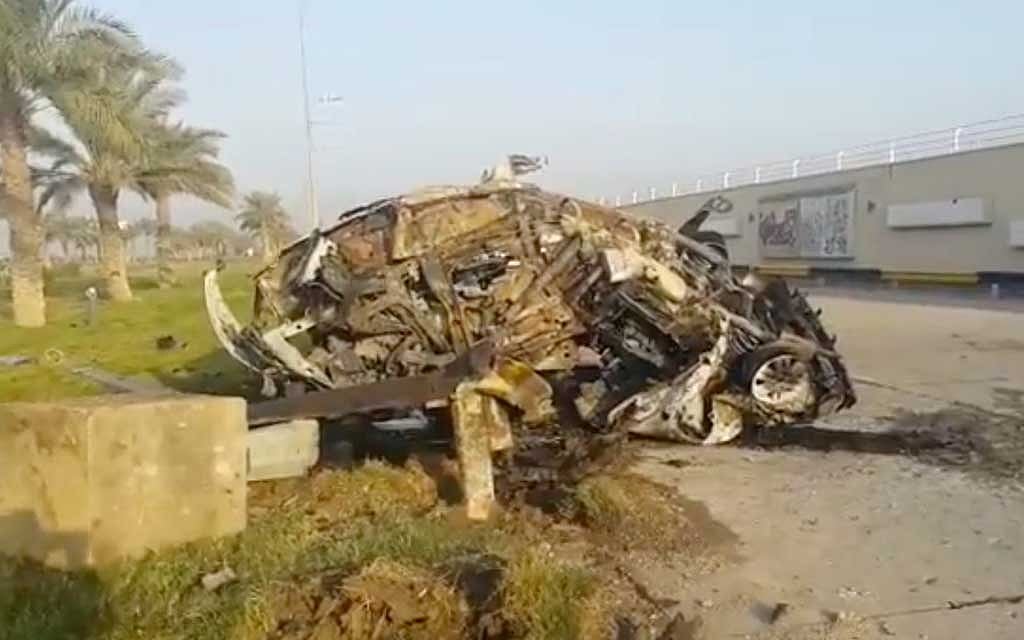
But the Americans held their fire, and Soleimani slipped away into the darkness.
“To avoid a firefight, and the contentious politics that would follow, I decided that we should monitor the caravan, not strike immediately,” Gen Stanley A McChrystal, the head of the secretive Joint Special Operations Command, recalled in an article last year.
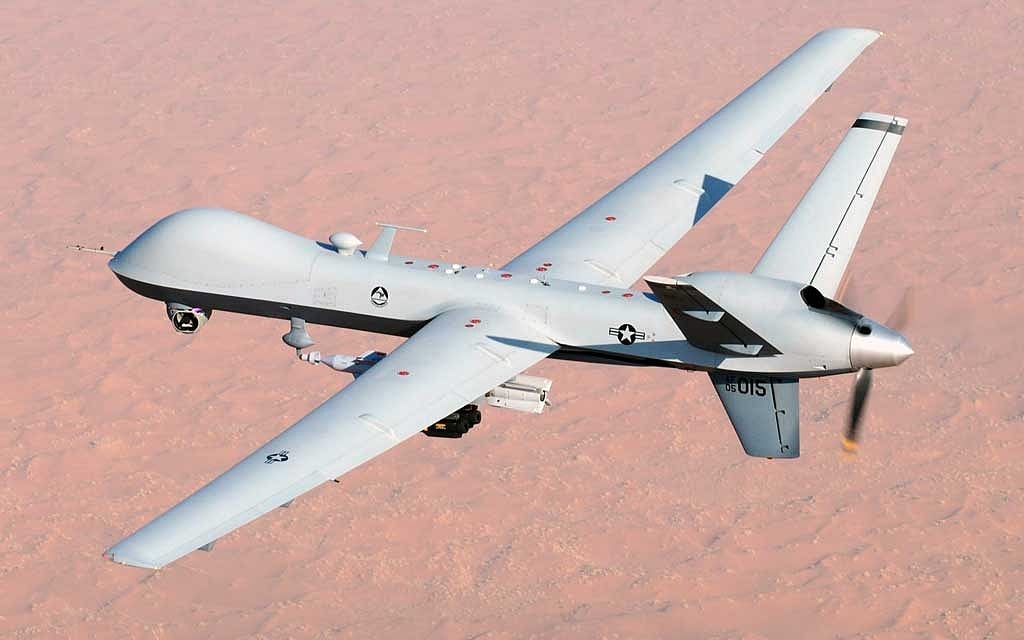
But early Friday, a US MQ-9 Reaper drone from McChrystal’s former command — operating under President Donald Trump’s orders — fired missiles into a convoy carrying Soleimani as it was leaving Baghdad’s international airport. What remained unclear is why Trump chose this moment to strike the top military leader of Iran, after two presidents before him opted not to do so, out of concern that killing the general could incite a wider war with Iran.
A photo from the US Air Force's archive showing an MQ-9 Reaper unmanned aerial vehicle during a combat mission over southern Afghanistan in 2008. Maj. Gen. Qassem Soleimani, Iran’s top security and intelligence commander, was killed early Friday, Jan. 3, 2019, in a drone strike at Baghdad International Airport that was authorised by President Donald Trump, American officials said. Soleimani was killed along with several officials from Iraqi militias backed by Tehran when an American MQ-9 Reaper drone similar to this one fired missiles into a convoy that was leaving the airport. (Lt. Col. Leslie Pratt/US Air Force via The New York Times)
Senior Trump administration officials, including Secretary of State Mike Pompeo, repeatedly said on Friday that new attacks under Soleimani’s leadership were imminent.
But one Defense Department official, speaking on the condition of anonymity to discuss internal planning, said that there was nothing new in the threat presented by the Iranian general.
And critics of the strike questioned whether its timing was meant to influence public opinion as Trump faces impeachment.
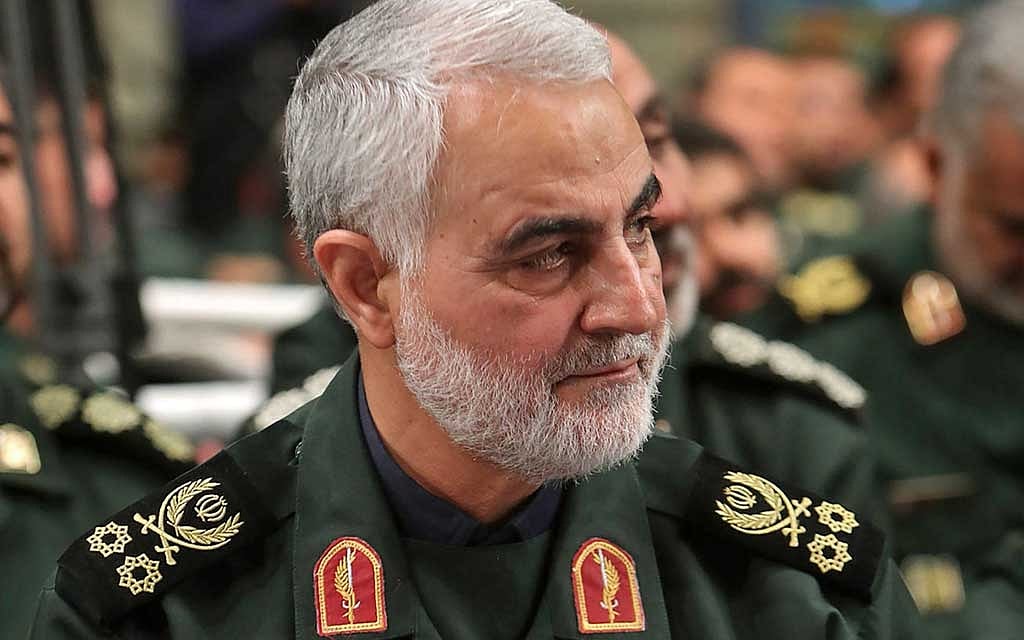
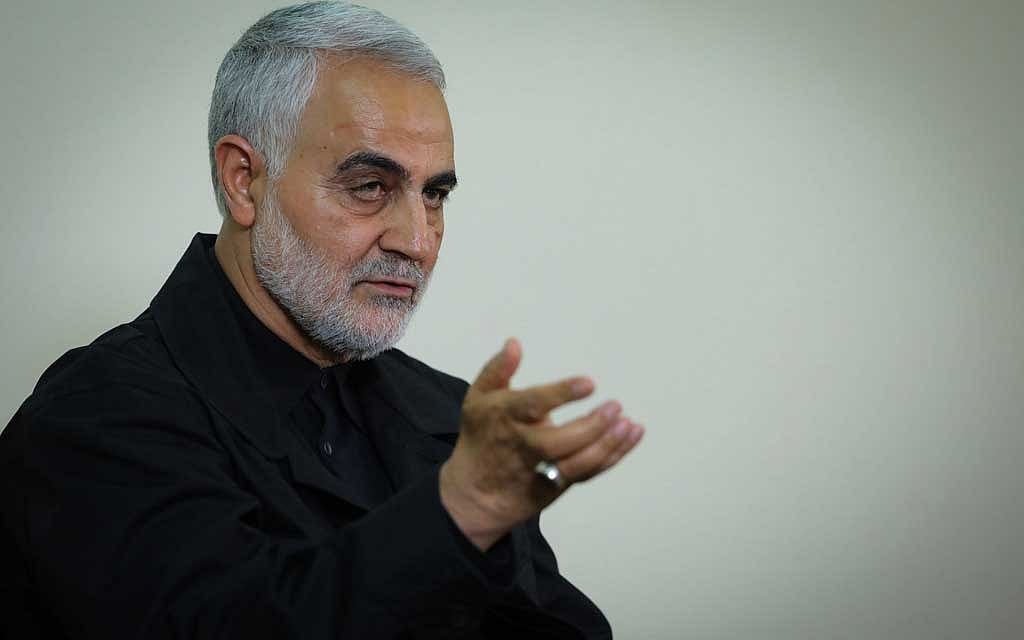
A photo provided by the Office of the Iranian Supreme Leader shows Maj. Gen. Qasem Soleimani in Tehran, Iran. “We are near you, where you can’t even imagine,” Soleimani once warned the United States. On Thursday, Jan. 2, 2020, Soleimani was reported killed in an airstrike in Baghdad. (Office of the Iranian Supreme Leader via The New York Times)
Tracking Soleimani’s location had long been a priority for the American and Israeli spy services and militaries, especially when he was in Iraq.
Soleimani often travelled with an air of impunity, as if he felt he was untouchable, officials said. One former senior American commander recalled parking his military jet next to Soleimani’s plane at the Irbil airport in northern Iraq.
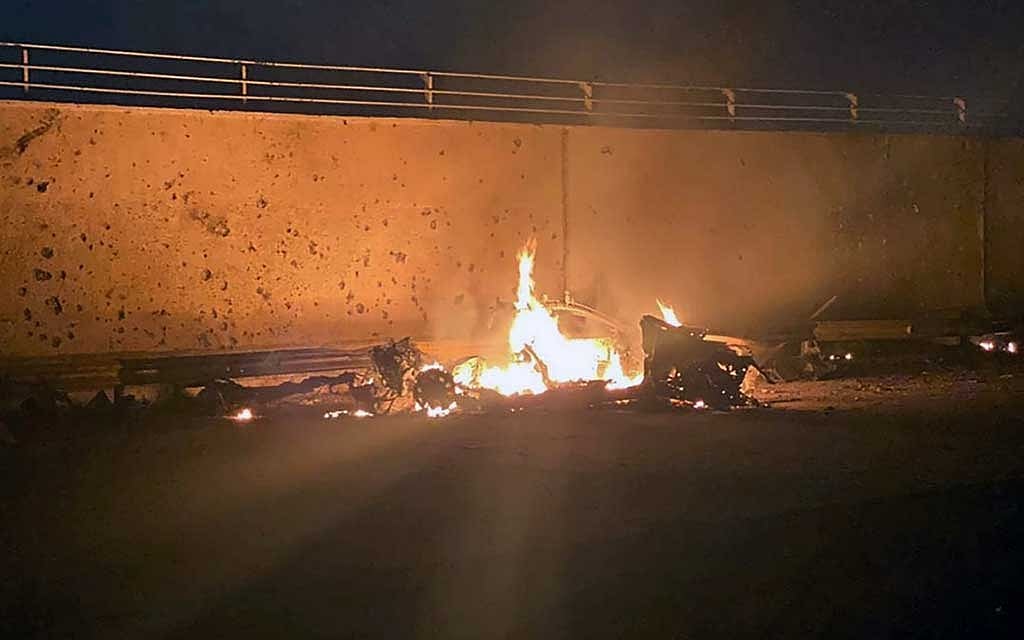
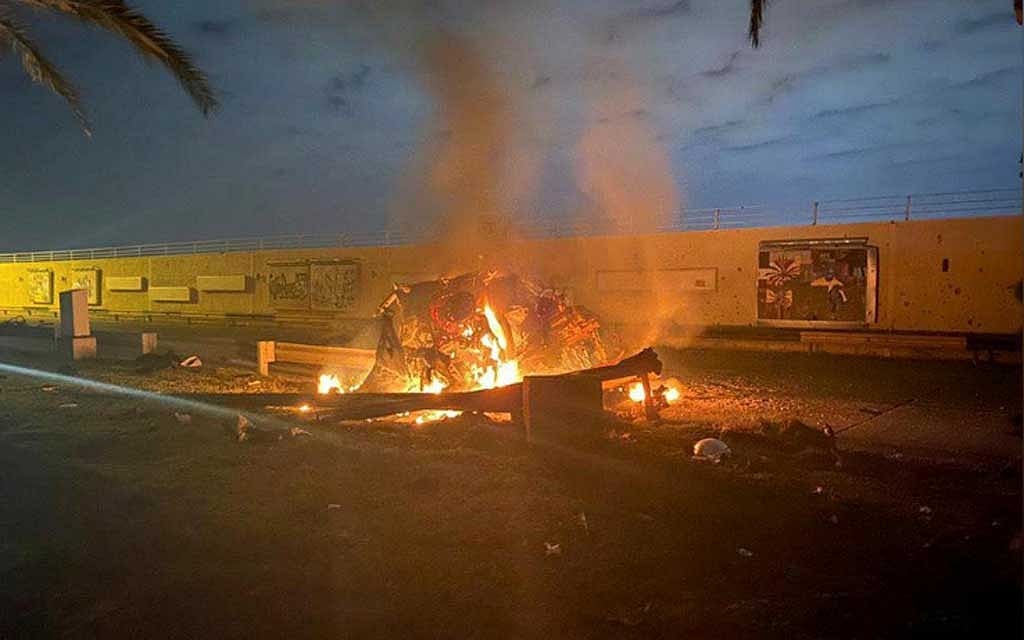
A photo released by the Iraqi Prime Minister's Press Office shows the burning wreckage of a vehicle following an American drone strike outside the Baghdad airport early on Friday, Jan. 3, 2020. Qasem Soleimani, the powerful and shadowy spymaster at the head of Iran’s security machinery, was killed in the drone strike. (Iraqi Prime Minister's Press Office via The New York Times)
The highly classified mission to locate and strike Soleimani was set in motion after the death of an American contractor on Dec. 27, according to senior American officials. The military’s Special Operations Command spent the next several days looking for an opportunity to strike. An option provided, and eventually approved, was dependent on Soleimani’s arrival at Baghdad International Airport. If he was met by Iraqi officials, one American official said, the strike would be called off. But, the official said, it was a “clean party,” and the strike was approved.
Trump’s decision to kill Soleimani was one that Presidents George W. Bush and Barack Obama had rejected, fearing it would lead to war.
McChrystal praised Trump’s decision to do so.
“The targeting was appropriate given Soleimani’s very public role in orchestrating Iranian attacks on the US and our allies,” McChrystal said in an email.
But the general added a sombre warning: “We can’t consider this as an isolated action. As with all such actions it will impact the dynamics of the region, and Iran will likely feel compelled to respond in kind.
“There is the potential for a stair-step escalation of attacks, and we must think several moves ahead to determine how far we will take this — and what the new level of conflict we are prepared to engage in,” he said.
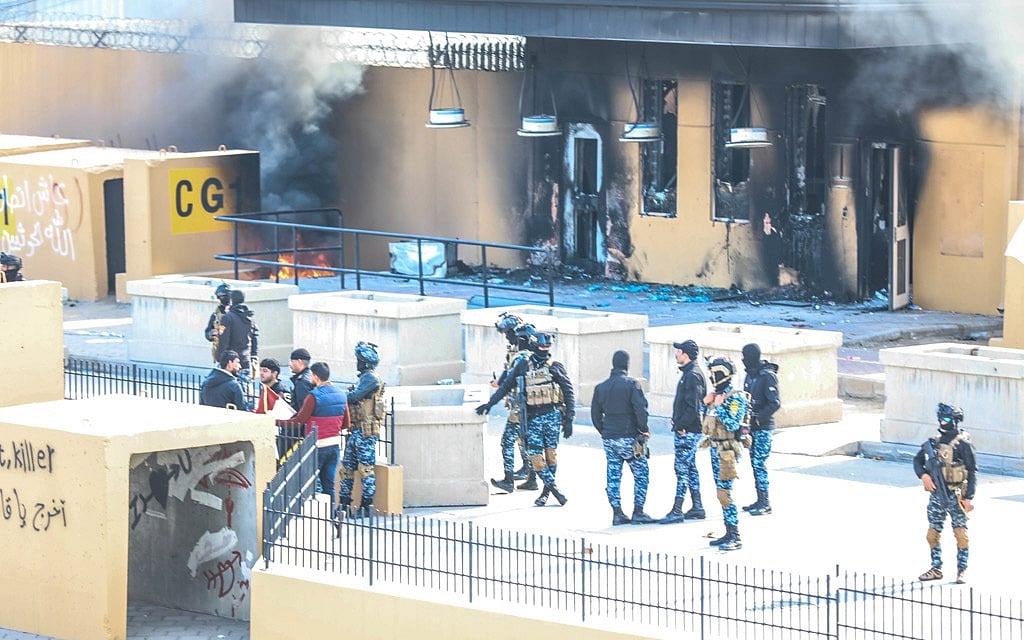
Iraqi security forces deploy during the second day of protests at the US embassy in Baghdad, Iraq January 1, 2020. US Army/Staff Sgt. Desmond Cassell/Task Force-Iraq Public Affairs/Handout via REUTERS
“I can only hope that embassies and consulates across the region were put on heightened alert in the last 48 hours or more,” said Barbara A. Leaf, a former US ambassador to the United Arab Emirates who is now with the Washington Institute for Near East Policy.
“That said, I would be surprised to see the Iranians respond quickly to this,” Leaf said. “Once the regime has recovered from its initial shock, it will take its time plotting reprisals. And reprisals there will be, most likely in Iraq first. But our Gulf partners should worry as well — assassinations, strikes on shipping and energy infrastructure.”
In the end, Soleimani’s brazenness may have been his undoing. Unlike terrorist leaders like Osama bin Laden and Abu Bakr al-Baghdadi, Soleimani often operated in the open.
“Soleimani was treated like royalty, and was not particularly hard to find,” said Marc Polymeropoulos, a former senior CIA operations officer with extensive counterterrorism experience overseas who retired last year. “Soleimani absolutely felt untouchable, particularly in Iraq. He took selfies of himself on the battlefield and openly taunted the US, because he felt safe in doing so.”
Burning debris are seen on a road near Baghdad International Airport, which according to Iraqi paramilitary groups were caused by three rockets hitting the airport in Iraq, Jan 3, 2020, in this image obtained via social media. Iraqi Security Media Cell via REUTERS
A senior American official said that the administration’s hope was that the killing of Soleimani would force Iran to back down after months of assertive behaviour, much as Tehran backed down from rapidly escalating hostilities during the oil tanker wars of the 1980s.
The officials said there was worry among the president’s senior advisers that Trump has indicated so many times that he did not want a war with Iran that Tehran had become persuaded the United States would not act forcibly.
But the official, who spoke on condition of anonymity, acknowledged that the killing of Soleimani was a huge risk for Trump and could just as likely prompt an outsize reaction from both Iran and Iraq.
“Iran has a lot of levers to pull too,” warned Derek Chollet, who served as an assistant secretary of defence in the Obama administration. “So much for ending ‘endless wars.’”
©2020 The New York Times Company













