


Published : 06 Oct 2019, 04:12 PM
Updated : 17 Oct 2022, 11:46 AM


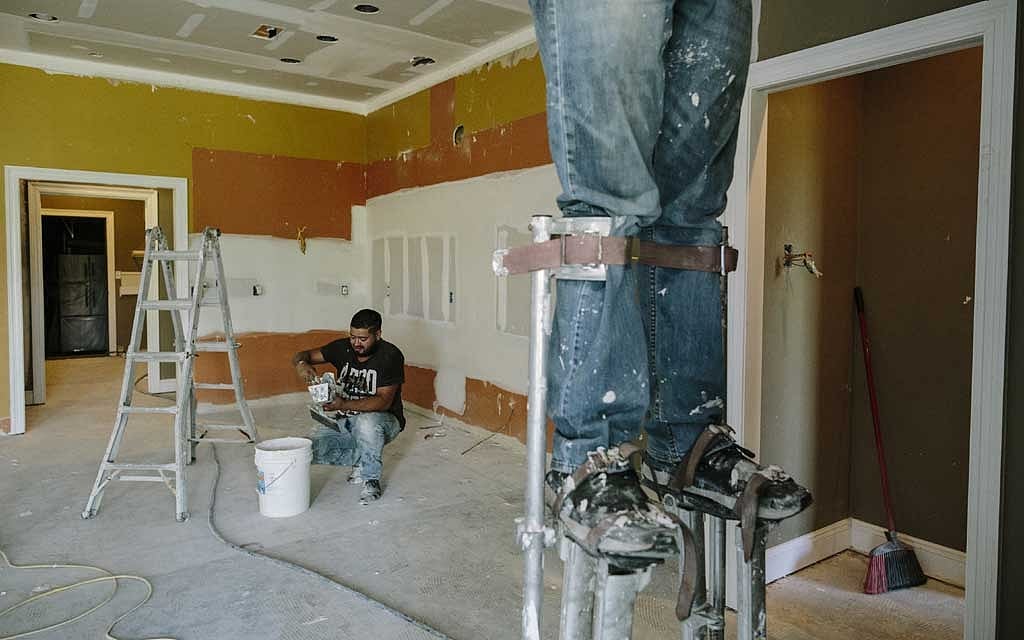
In the ensuing months, the workers — nearly all of them from Central America, Mexico and Venezuela — toiled day and night across Bay County. In towns like Callaway, which saw 90% of its housing stock damaged by the Category 5 storm last October, they are still working.
Like the migrant farmworkers of yesteryear who followed the crops, the hurricane workers move from disaster to disaster. And as the United States confronts more extreme weather caused by climate change, theirs has become a growth industry.
But since arriving in Bay County during the chaotic weeks after Hurricane Michael, many of the immigrant workers have been exploited by employers who do not always pay what they are owed or landlords who charge exorbitant rent for their temporary quarters. Some have been stopped by sheriff’s deputies and transferred to Immigration and Customs Enforcement.
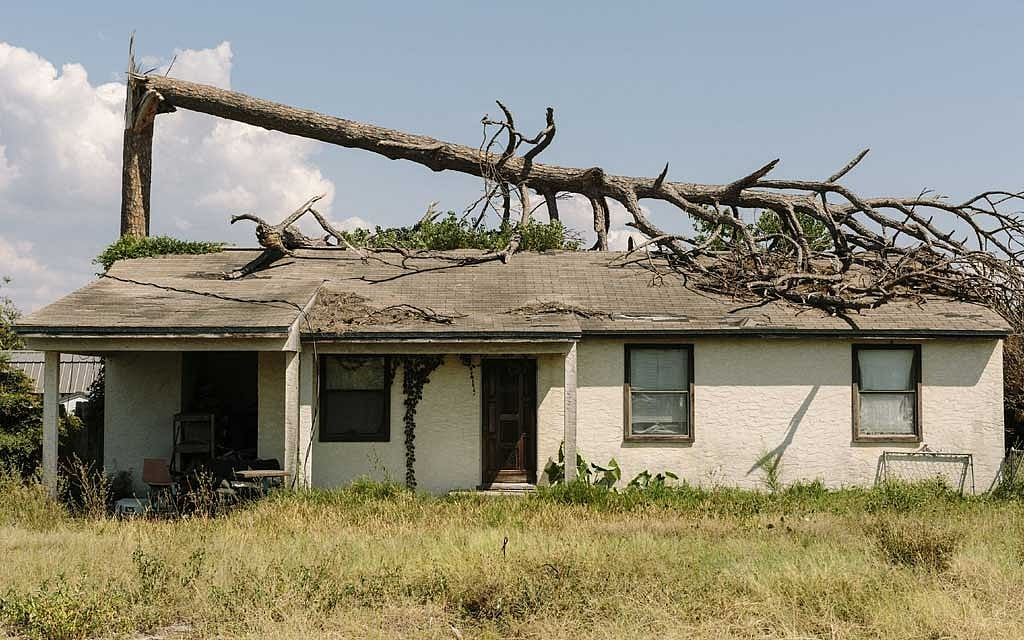
A home damaged by 2018's Hurricane Michael, in Panama City, Fla, Sep 25, 2019. In the months after the hurricane sliced through the Florida Panhandle last year, workers — nearly all of them from Central America, Mexico and Venezuela — toiled day and night across Bay County to repair the damage wrought by winds that snapped pine trees in half. The New York Times
A nonprofit called Resilience Force has been meeting with immigrant workers, trying to organise them and lobby to improve conditions.
At a meeting of Bay County commissioners in mid-September, Saket Soni, Resilience Force’s executive director, asked them to consider an ordinance that would make it a violation of county law to underpay or retaliate against workers.
The meeting also featured workers who shared their own stories. Ana Salazar, 58, said she had come from Venezuela with her two sons to do debris removal and reconstruction. The immigrant said she represented several workers employed by Winterfell Construction, owned by one of the county commissioners, Tommy Hamm. They had received “absolutely no payment from the company,” she said.
Several other workers corroborated Salazar’s account, but Hamm said neither Salazar nor the other workers present had worked directly for him.
© 2019 New York Times News Service













