


Published : 11 Mar 2016, 09:14 AM
Updated : 19 Oct 2022, 05:09 PM


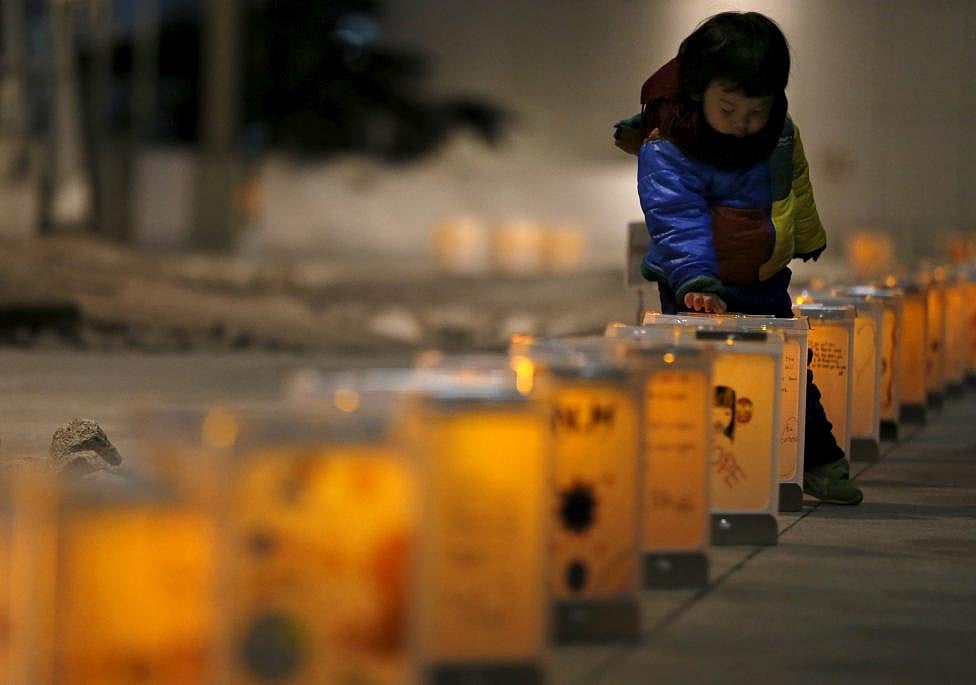
The nine-magnitude quake struck offshore on a chilly Friday, sparking huge black waves along a vast swathe of coastline and killing nearly 20,000 people.
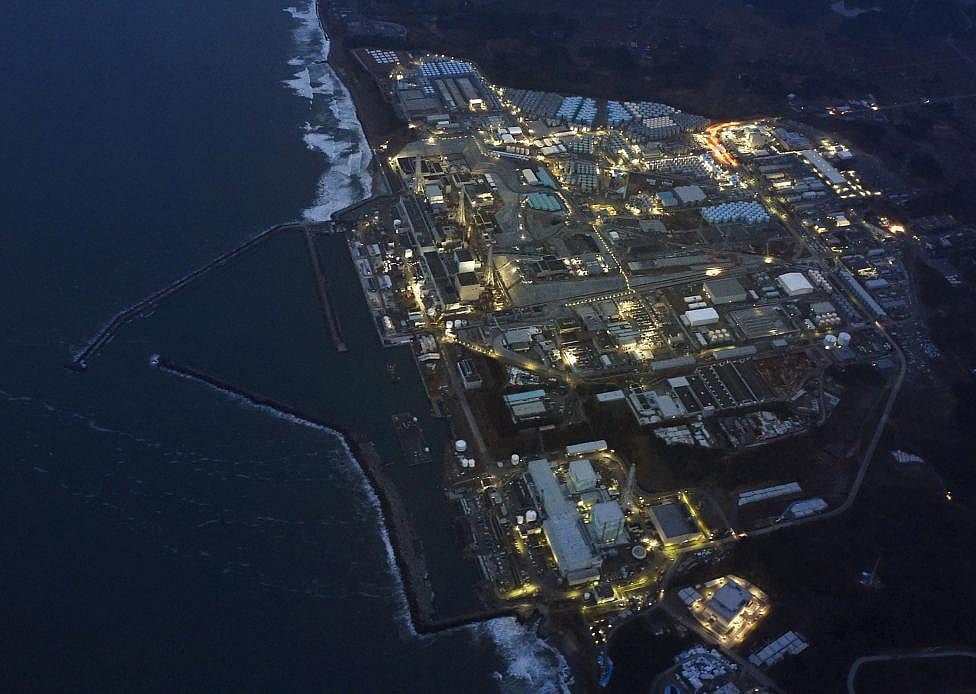
The tsunami crippled the Fukushima Dai-ichi Nuclear Plant, where meltdowns in three reactors spewed radiation over a wide area of the countryside, contaminating water, food and air.
More than 160,000 people were evacuated from nearby towns and some 10 percent still live in temporary housing across Fukushima prefecture. Most have settled outside their hometowns and have begun new lives.
Some areas remain no-go zones due to the high radiation.
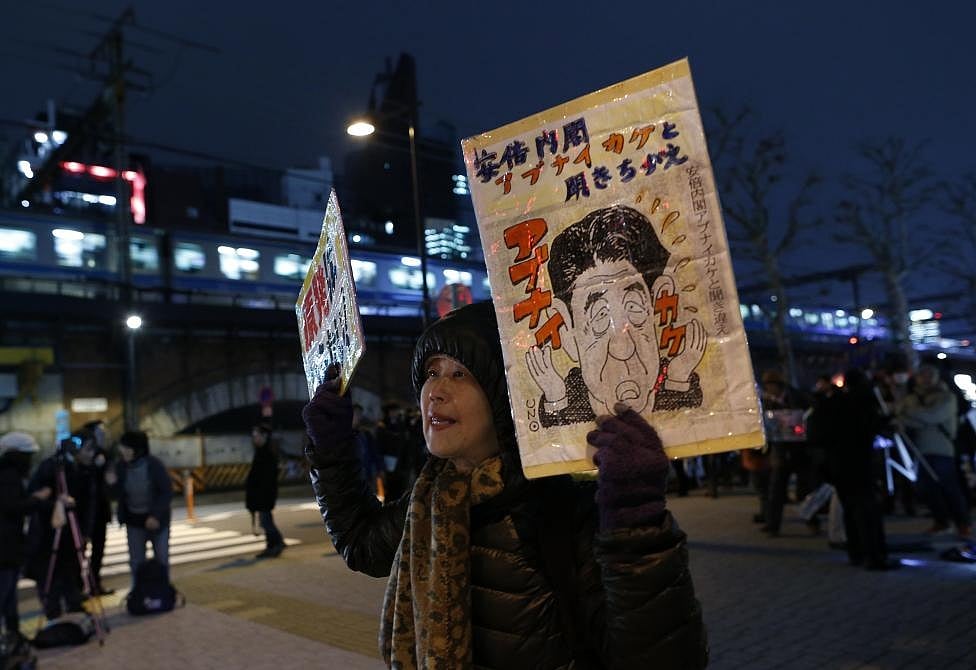
"Give me back my hometown!" read a placard carried by an anti-nuclear demonstrator in front of the headquarters of plant operator Tokyo Electric Power Co on Thursday night.
Others criticised Prime Minister Shinzo Abe and called for abandoning nuclear power altogether.
In coastal Rikuzentakata, which was flattened by a wave as much as 17 meters (56 ft) high and lost seven percent of its population along with its entire downtown, the pain remains strong.
"Infrastructure is recovering, hearts are not. I thought time would take care of things," said Eiki Kumagai, a volunteer fireman who lost 51 colleagues, many killed as they guided others to safety.
"I keep seeing the faces of those who died... There's so much regret, I can't express it."













