


Published : 10 Dec 2018, 03:04 PM
Updated : 19 Oct 2022, 02:25 PM


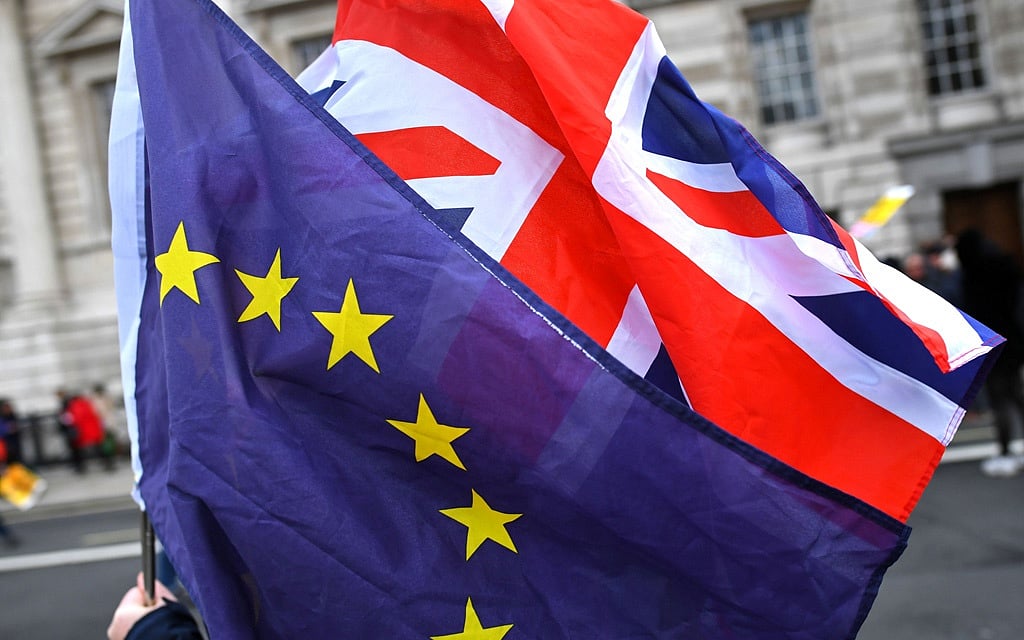

In an emergency judgment delivered just a day before the British parliament is due to vote on a Brexit deal agreed with the EU by Prime Minister Theresa May, the Court of Justice (ECJ) said: "The United Kingdom is free to revoke unilaterally the notification of its intention to withdraw from the EU."
The ruling is in line with an opinion delivered last week by a Court legal adviser. That had boosted the hopes of British Brexit opponents that a new referendum could be held that would prevent Britain's scheduled departure on Mar 29, 2019.
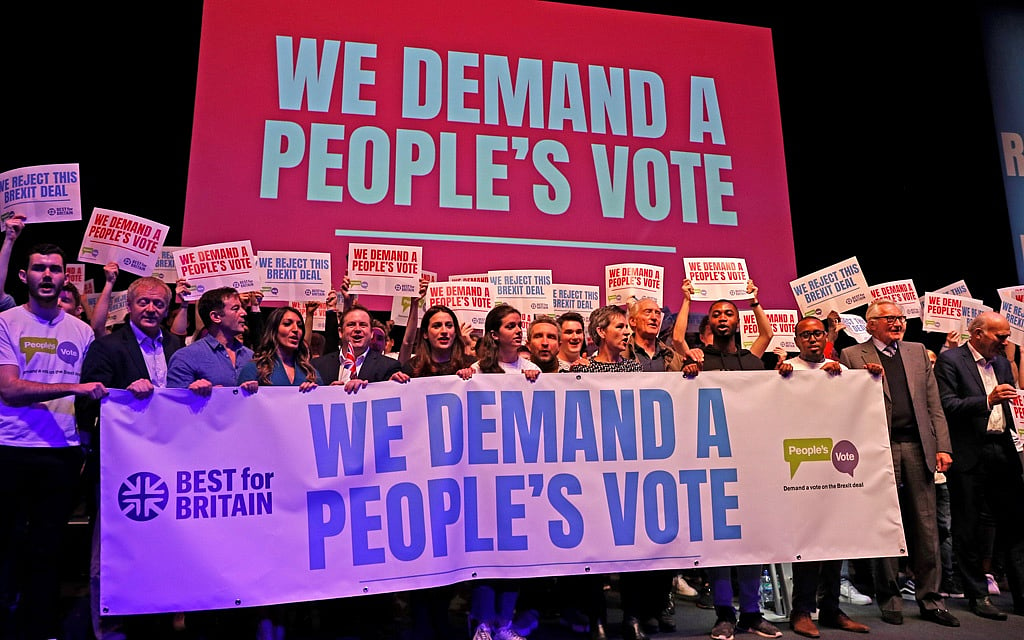
Pro-EU supporters take to the stage at a joint political rally by Best for Britain and the People's Vote campaign in London, Britain, Dec 9, 2018. REUTERS
Alyn Smith, a Scottish nationalist member of the European Parliament and one of those Brexit opponents who raised the case seeking clarification of Article 50 of the EU treaty to the European Union's supreme court in Luxembourg said:
"Today's ruling sends a clear message to UK MPs ahead of tomorrow's vote that there is a way out of this mess. A light at the end of the tunnel for the economy, for jobs and for the UK's standing on the world stage. Now it's up to the UK.
"If the UK chooses to change their minds on Brexit, then revoking Article 50 is an option and the European side should make every effort to welcome the UK back with open arms."
May's environment minister Michael Gove, who campaigned for Brexit, dismissed the ruling by repeating the government's insistence that it would not reverse its decision to leave.
Pro-Brexit supporters burn an EU flag during a UKIP demonstration in central London, Britain, Dec 9, 2018. REUTERS
EU leaders have long insisted they would welcome Britain changing its mind, but many EU officials and legal experts had believed that the approval of either all or most of the other 27 members states would be needed to halt Brexit altogether.
Some senior EU officials have also said that Britain should be allowed to remain but could be asked to give up some of the special terms it has acquired over the past four decades, notably a hefty rebate on its payments to the bloc's budget.
It is far from clear whether or how Britain could organise a new referendum, notably given the short time left until Brexit.
If May wins her vote on Tuesday, the withdrawal seems likely to proceed as agreed with Brussels last month. If she loses, her own position could be in jeopardy, there could be a move for a new election, or possibly to hold a new referendum.
Many warn, however, that it could stir unrest. Opinion polls suggest that any new majority for staying in the EU is narrow.







