


Published : 25 Aug 2018, 01:22 AM
Updated : 08 Apr 2022, 03:16 PM


On Aug 25 last year, the world looked on at the scale and speed of this forced movement of people, which triggered one of the largest international aid responses in 2017.
Over 700,000 people from Myanmar took shelter in Bangladesh.
Despite deals between Bangladesh and Myanmar, the return has not started yet.
The UK has been at the forefront of that response and has contributed £129 million to support the displaced Rohingya since Aug 25 last year.
The government and people of Bangladesh have also shown enormous generosity in opening their borders and providing a safe haven for those fleeing violence, the UK Foreign Office said in a statement.
“The roots of this crisis go back decades, but 12 months ago we saw an unprecedented campaign of terror by the Burmese military, resulting in 700,000 people fleeing across the border into Bangladesh,” International Development Secretary Penny Mordaunt said.
“There is no doubt that this is a protracted crisis and the British public have enabled hundreds of thousands of lives to be saved through their taxes, and through huge sums raised in voluntary donations. I want to thank all who have stepped up and donated or worked to bring hope to so many.
“It is clear what the international community must now do, and what Burma must do. These people need their lives back and their rights guaranteed.
“On this anniversary of such barbarism we should recommit ourselves to ensuring that Burma cooperates with the asks of the international community and that nations work to meet to needs of these vulnerable people,” Mordaunt said.
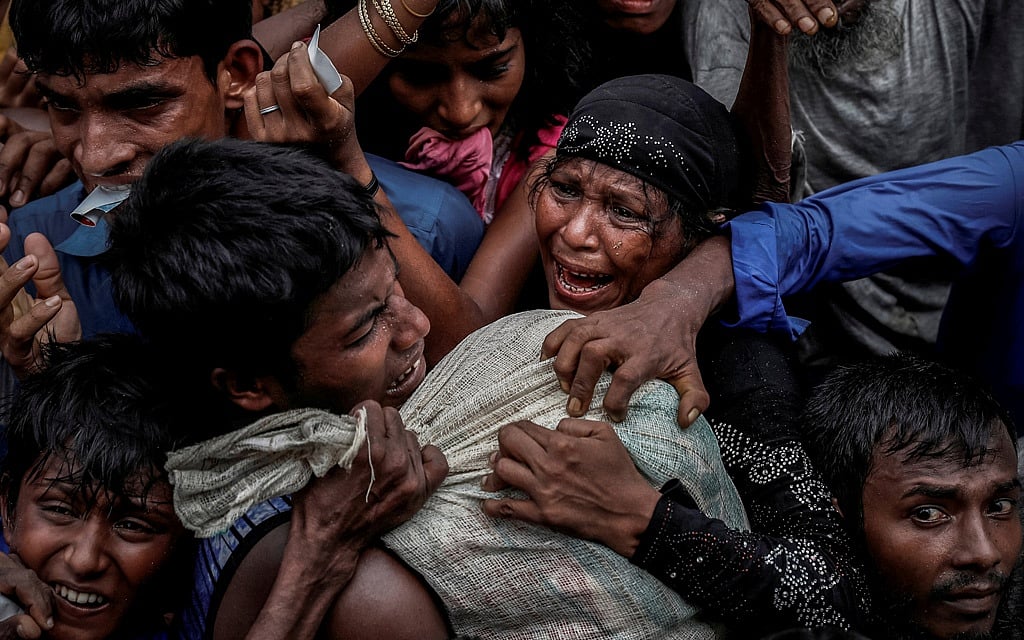
To date, UK Aid has provided life-saving food, water, shelter and medication to almost a million Rohingya who now live within the camps in Bangladesh.
Now the focus is on making sure that the Rohingya people have access to further support while they are living in the camps.
The UK Aid will provide immediate access to learning opportunities in a safe environment for Rohingya children and also local children living in communities near to the camps.
They will also provide skills training to improve the livelihoods for Rohingya men and women, better equipping them for the future, among others.







