


Published : 29 Dec 2019, 11:47 AM
Updated : 17 Oct 2022, 11:51 AM


For those caught up in the scandal, it was a moment of reckoning. For ordinary citizens, it was a moment of hope. Even the most powerful, it appeared, were finally being held to account.
Now, five years after the scandal exploded into public view, the region’s drive against corruption has begun to stall.
“For a brief moment in time, everyone was within the reach of justice,” said Thelma Aldaña, a former attorney general of Guatemala who indicted the country’s president and vice president in a corruption case in 2015 and became one of the emblematic figures of the crackdown.
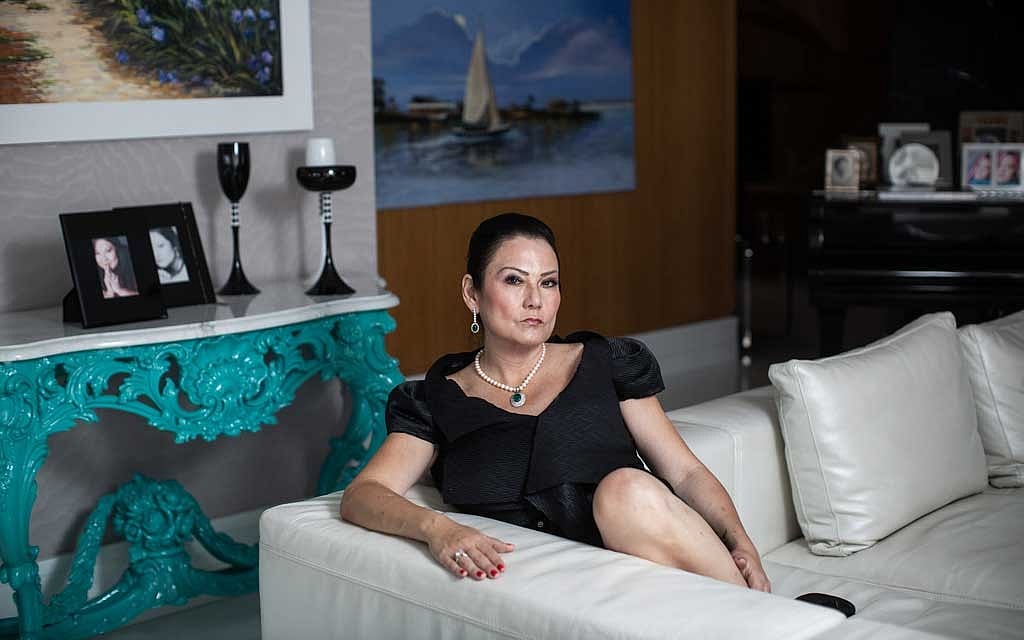
Nelma Kodama, a black-market currency trader whose sentence of 18 years over Brazil's so-called Car Wash scandal was reduced by President Michel Temer —he spent much of his time in office fending off corruption charges of his own — at her home in Sao Paulo, Brazil, Nov 4, 2019. The New York Times
In Peru, former President Alan García shot himself to death rather than face arrest. In Brazil, Luiz Inácio Lula da Silva, a former president who remained the country’s most commanding political figure, was sentenced to time in prison, as was Marcelo Odebrecht, the head of Latin America’s largest construction conglomerate.
But efforts to adopt anti-corruption reforms sputtered amid political pressure. As discredited figures in business and politics mount comebacks, many of those who led the crusade against graft face retaliation. Aldaña, who is now in exile, faces death threats at home. The task force that enabled Guatemala’s corruption fight was shut down.
“The pendulum went to one side, and now the pendulum has swung back,” said Deltan Dallagnol, the federal prosecutor who led Brazil’s main anti-corruption task force. It was established in 2014 to prosecute cases from the scandal that came to be known as Lava Jato, or Car Wash, after the gas station in Brazil’s capital, Brasília.
Nelma Kodama, a black-market currency trader whose sentence of 18 years over Brazil's so-called Car Wash scandal was reduced by President Michel Temer —he spent much of his time in office fending off corruption charges of his own — at her home in Sao Paulo, Brazil, Nov 4, 2019. The New York Times
In some cases, the credibility of efforts to fight graft was undermined by transgressions committed by the crusaders themselves. In Brazil, leaked cellphone text messages showed the main judge in the investigation giving strategic guidance to federal prosecutors in what criminal procedure experts saw as a clear violation of legal and ethical guidelines.
Brazil’s backsliding on corruption may be the most dramatic and consequential in the region, given how much prosecutors accomplished in a few years. The Car Wash task force has filed charges against 476 people, struck 136 plea agreements and recovered more than $900 million in stolen assets.
Brazilian companies with projects around the region exported the corruption scheme they had perfected at home. The companies used money-laundering operations — like the one that operated out of the gas station in Brasília — to clear cash used to pay off high-ranking politicians and parties. In exchange for the money, inflated public works contracts were steered the companies’ way.
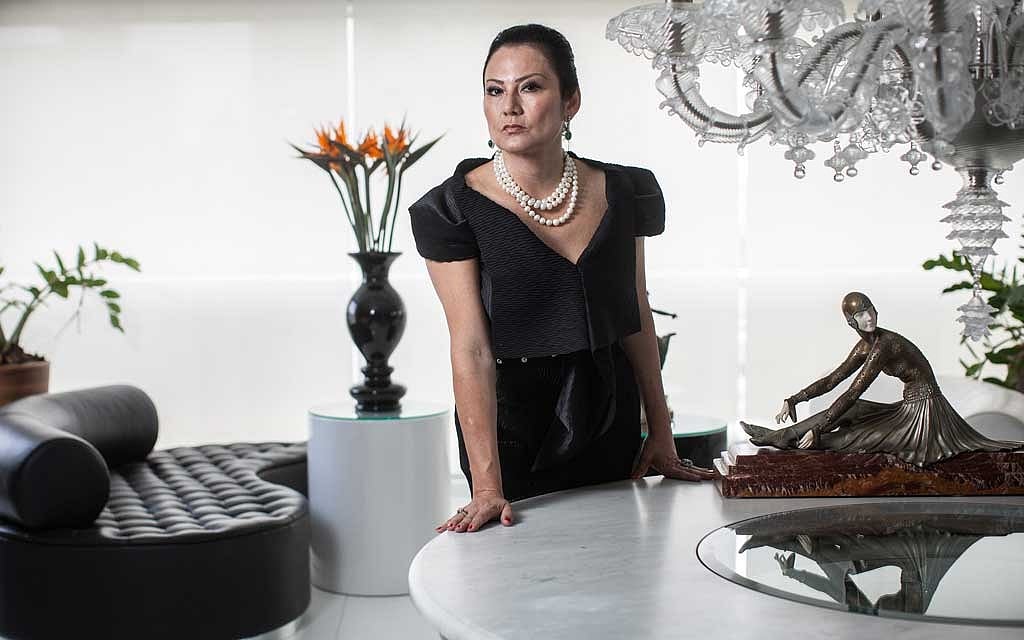
Nelma Kodama, a black-market currency trader whose sentence of 18 years over Brazil's so-called Car Wash scandal was reduced by President Michel Temer —he spent much of his time in office fending off corruption charges of his own — at her home in Sao Paulo, Brazil, Nov 4, 2019. The New York Times
The scandal upended politics in Brazil, where every large party was implicated in illegal campaign finance and kickback schemes.
The arrest and eventual imprisonment of da Silva, the former president widely known as Lula, for accepting the use of a seaside apartment in exchange for steering government contracts represented a turning point for the country.
For some, seeing Brazil’s most commanding political figure in jail was the culmination of the anti-corruption drive and evidence that the law was finally being applied equally to everyone. For others, it was evidence that the investigation was politically contaminated and beginning to backslide into the influence trading it was intended to remedy.
The unusual zeal and speed with which the leftist firebrand’s case was handled made it politically fraught: When da Silva was imprisoned in April of last year to start serving a 12-year sentence for corruption and money laundering, he was the front-runner in the presidential race. The conviction blocked him from the ballot and paved the way for the election of the far-right candidate Jair Bolsonaro.
Suspicion that the prosecution was politically motivated only grew after Sérgio Moro, the judge who handled da Silva’s case, joined Bolsonaro’s Cabinet as justice minister. That appointment — which came with a promise of an eventual seat on the Supreme Court — outraged politicians on the left and tarnished the image of Moro, who had become a folk hero at home and a celebrated jurist abroad.
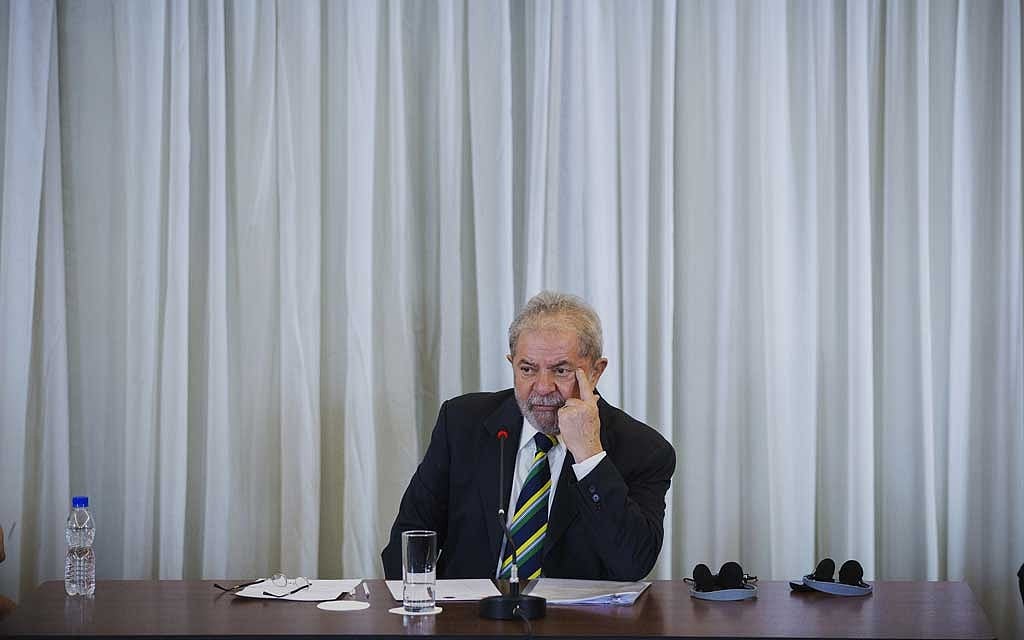
Luiz Inácio Lula da Silva, the former president of Brazil who began a 12-year prison sentence in 2018 for corruption and money laundering, during a news conference in Sao Paulo, Mar 28, 2016.The New York Times
Moro declined a request for an interview. In response to emailed questions, some of which he did not answer, he said he saw the Cabinet post as an opportunity to “consolidate the advances that have been made on anti-corruption and extend them to the fight against organised crime and violent crimes.”
Moro’s legacy suffered a further blow when The Intercept Brasil, an online news outlet, began reporting in June on a trove of leaked text messages exchanged by federal prosecutors. The messages showed that Moro had provided guidance to the prosecution in da Silva’s case.
The leaked messages were a boon to targets of corruption inquiries.
“The disclosure of the chats left the Car Wash prosecutors bleeding, and the sharks smelled blood,” said Bruno Brandão, executive director of Transparency International in Brazil. “What we’re seeing now are major and simultaneous strikes that represent a real threat of a return to the impunity the elites enjoyed historically.”
As a candidate, Bolsonaro vowed to turbocharge the fight against corruption. His willingness to make good on that pledge was tested soon after his election in October 2018. By December, his son Flávio Bolsonaro, a senator, had become a target of a corruption investigation set off by suspicious financial transactions at his former office in the Rio de Janeiro state legislature.
Months later, federal prosecutors cried foul over Bolsonaro’s protocol-breaking appointment of the new attorney general.
The president has traditionally picked the attorney general from a list put forward by the national association of federal prosecutors. The system was intended to prevent a president from choosing a deferential top law enforcement official, because that person oversees corruption inquiries involving elected officials, including the president.
Bolsonaro instead chose his own man, a move that the prosecutors association called “the biggest democratic and institutional setback” for the office in 20 years.
With the authority of law enforcement officials curbed, major graft cases in Brazil are stalled or moving at a glacial pace as powerful defendants appeal convictions and use legal tactics to put off prison sentences.
Eike Batista, once one of the world’s top 10 richest men, was sentenced in July 2018 to 30 years in prison for paying millions in bribes, but he has yet to start serving time.
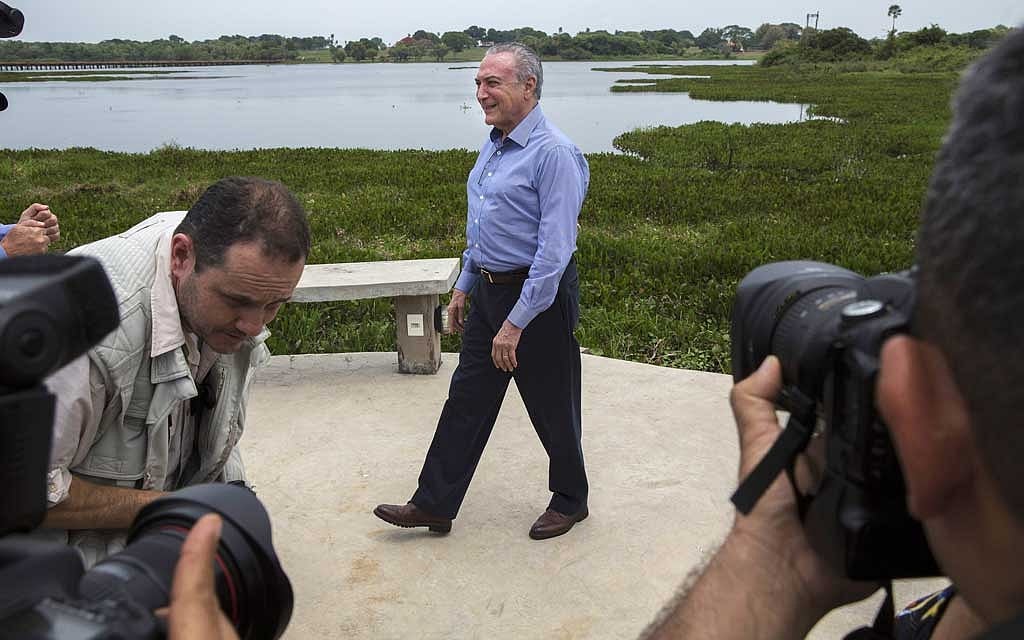
Former President Michel Temer remains free despite a flurry of criminal charges that have dogged him since 2017. They include a surreptitious recording of Temer condoning the payment of a bribe to keep a former political ally from detailing crimes to the authorities.
The backsliding in Brazil has been watched closely across the region, where politicians have largely prioritised self-preservation over measures that would make judiciaries more independent, campaign financing more transparent and the public works contract process less prone to bribery.
In Guatemala, President Jimmy Morales shut down a UN panel of experts that had been helping the attorney general’s office build complex, sensitive corruption cases. The decision came after Morales, who campaigned under the motto “neither corrupt nor a thief,” came under investigation for allegedly receiving illegal campaign contributions.
The government of Honduras, which had signed off on the establishment of a similar entity there in 2016, declined to renew its mandate this year.
Those models enjoyed widespread public support in 2016, when the US Justice Department announced that Odebrecht, the Brazilian construction company, had agreed to pay a $3.5 billion penalty after confessing that it had set up a department to bribe politicians across the region to secure public works contracts.
The founder of the company, Marcelo Odebrecht, struck a plea deal with prosecutors in Brazil and served 2.5 years in prison. The company then extended an offer to the countries where it had paid bribes: In exchange for immunity from new prosecutions, it said, it would disclose the money paid and the contracts secured fraudulently.
Some countries — including Ecuador, Peru and the Dominican Republic — took Odebrecht up on its offer, and saw former presidents arrested as a result. But in Colombia and Argentina, a lack of political will has prevented investigations into Odebrecht’s corruption from advancing.
Vice President Marta Lucía Ramírez of Colombia called the failure to crack open the Odebrecht case deeply troubling in a country that has been roiled in recent days by mass protests.
“It has very serious consequences, and it’s seriously undermining people’s trust in institutions, political parties, Congress and the justice system,” she said. “That puts the future of democracy in jeopardy.”
In Brazil, several of the figures who were among the first to be imprisoned for their involvement in the Car Wash scandal are now free and rebuilding their lives.
Among them is Nelma Kodama, a black-market currency trader sentenced to 18 years in prison. Her term was reduced by Temer, who spent much of his time in office fending off corruption charges of his own.
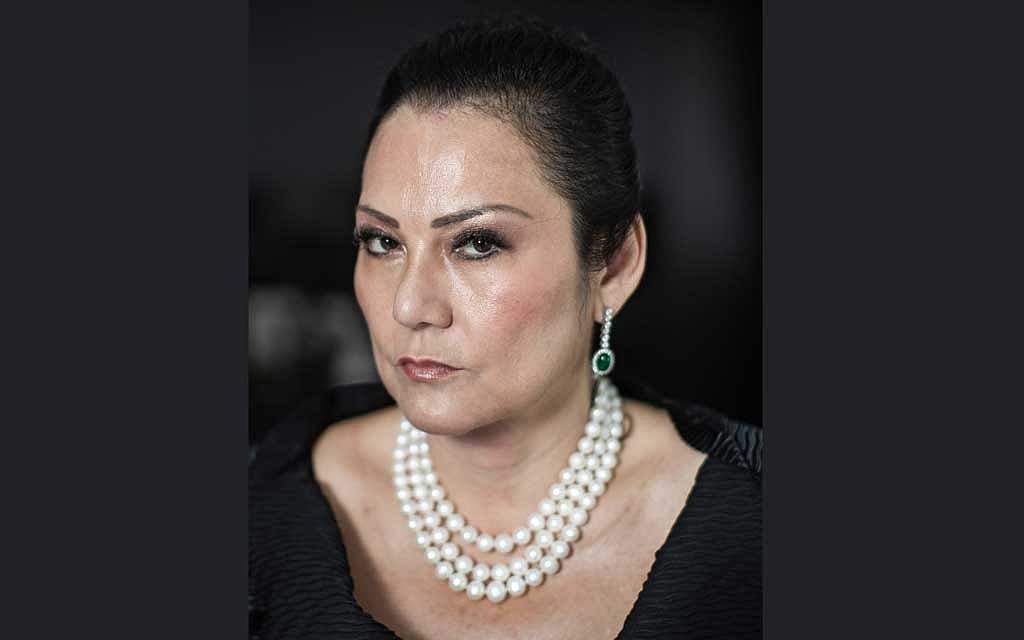
Kodama, who became infamous for posting a photo of her court-ordered ankle bracelet alongside red Chanel shoes, said in an interview that Car Wash, at the end of the day, had failed to upend the culture of corruption.
While it made an example of several high-profile people, she said, the crackdown did more damage than good by deepening the recession that began in 2014 and crippling some of Brazil’s largest companies.
“The operation was a failure,” said Kodama, who recently published a memoir detailing how she helped launder money for years and endured indignities in prison. “It didn’t end corruption, and left the country with a crazy level of unemployment.”
© 2019 New York Times News Service













