


Published : 21 Nov 2018, 10:25 PM
Updated : 08 Apr 2022, 03:25 PM


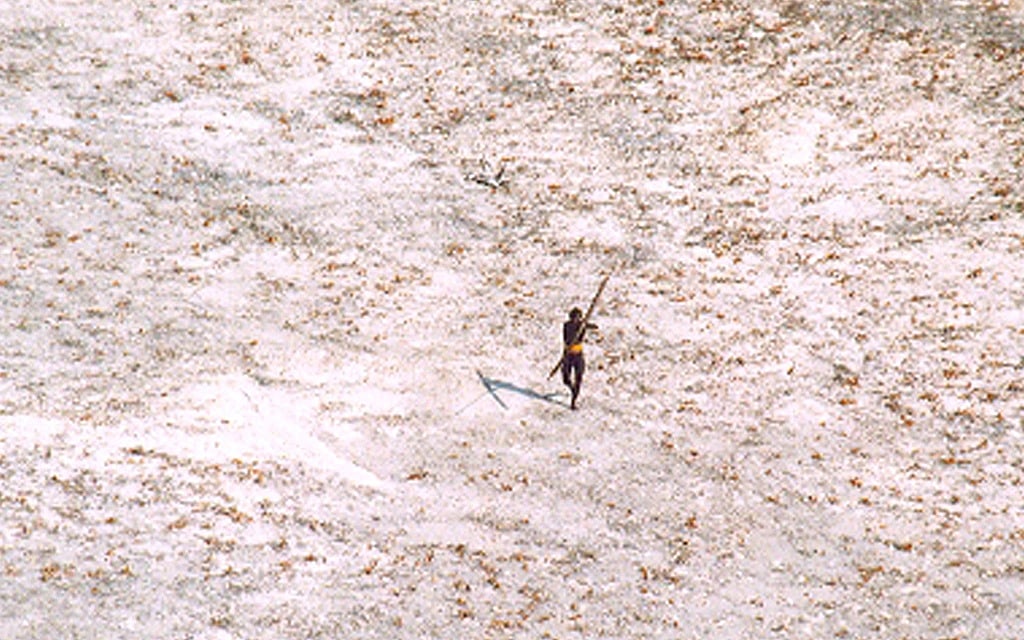
Chau, thought to be in his 20s, was floating in a kayak off a remote island in the Andaman Sea. He was about to set foot on one of the most sealed-off parts of India, an island inhabited by a small, highly enigmatic tribe whose members have killed outsiders for simply stepping on their shore.
Fishermen warned him not to go. Few outsiders had ever been there. And Indian government regulations clearly prohibited any interaction with people on the island, called North Sentinel.
But Chau did not listen. Instead, he pushed ahead in his kayak, which he had packed with a Bible.
On Wednesday, Indian authorities said that Chau had been shot with bows and arrows by tribesmen when he got on shore and that his body was still on the island.
Dependra Pathak, police chief in the Andaman and Nicobar Islands, said Chau, from Washington state, may have been trying to convert the islanders to Christianity. Right before he left in his kayak, Chau gave the fishermen a long note. In it, police officials said, he had written that Jesus had bestowed him with the strength to go to the most forbidden places on Earth.
On Nov 14, Chau hired a fishing boat to take him to North Sentinel. He waited until darkness to set off, police officials said, so he would not be detected by authorities.
He put his kayak in the water less than half a mile out and paddled toward the island.
The fishermen said that tribesmen had shot arrows at him and that he had retreated. He apparently tried several more times to reach the island over the next two days, the police say. But on the morning of Nov 17, the fishermen said they saw the islanders with his body.
The seven people who helped Chau reach the island have been arrested and charged with culpable homicide not amounting to murder and with violating rules protecting aboriginal tribes.
Another case has been registered against “unknown persons” for killing Chau. But in the past, authorities have said that it is virtually impossible to prosecute members of the protected tribes because of the area’s inaccessibility and the Indian government’s decision not to interfere in their lives.
© 2018 New York Times News Service













