


Published : 06 Apr 2020, 11:20 PM
Updated : 08 Apr 2022, 02:26 AM


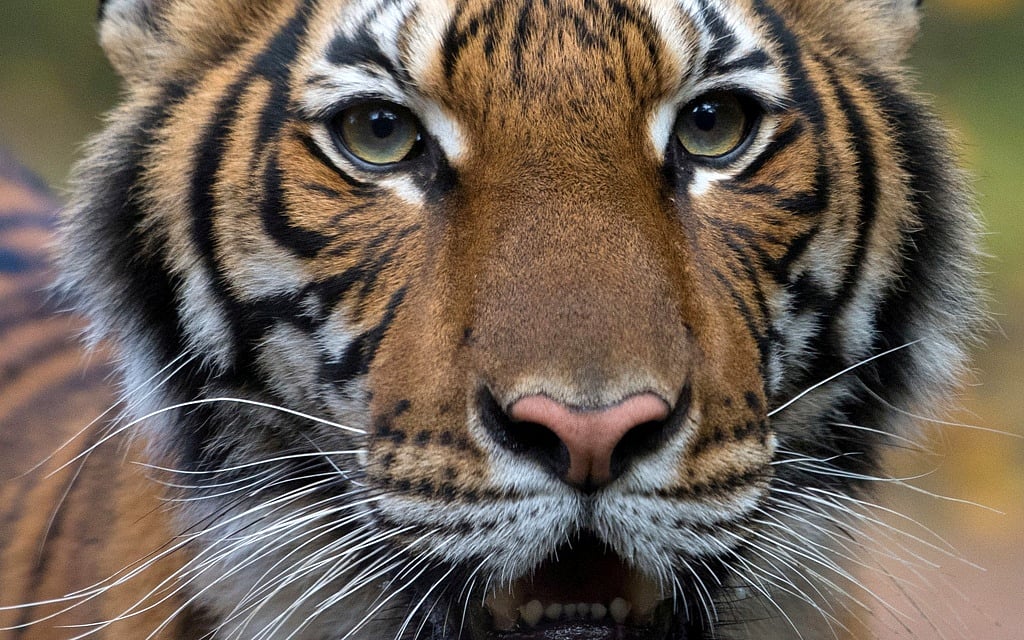
“This is the first instance of a tiger being infected with COVID-19,” according to the federal Agriculture Department, which noted that although only one tiger was tested, the virus appeared to have infected other animals as well.
“Several lions and tigers at the zoo showed symptoms of respiratory illness,” according to a statement by the department.
They are expected to recover.
Public health officials believe that the large cats caught COVID-19, the disease caused by the coronavirus, from a zoo employee.
“That’s the assumption, that one of the keepers who was asymptomatic or shedding the virus before they were sick was the source of the infection,” said Dr Paul Calle, chief veterinarian at the Bronx Zoo.
While the zookeepers generally keep a barrier between themselves and the cats, they do get within a few feet of the animals.
The tiger, a 4-year-old Malayan tiger named Nadia, appeared visibly sick by March 27.
Her sister Azul and two Amur tigers are also sick. They live in the zoo’s Tiger Mountain enclosure. Another tiger that lives in the same place has “not exhibited any clinical signs,” according to a statement by the zoo.
The tiger was the only animal tested because the procedure involved general anaesthesia, the Agriculture Department said. While there were other tigers and lions showing similar symptoms, the veterinarian wanted to limit the potential risks of general anaesthesia to one animal, it said.
A pet cat in Belgium recently tested positive for the coronavirus, but the American Veterinary Medical Association said that not enough was known to change the current view that neither cats nor dogs appear to be able to pass the virus to people.
A scientific study in China, which has not yet been peer reviewed, found that the virus reproduces “efficiently” in cats and can be transmitted by respiratory droplets, but this was in laboratory conditions.
The World Organisation for Animal Health says that there is no evidence that cats or dogs spread the disease to humans, but that anyone who is sick should take precautions in contact with their animals as they would with people.
©2020 The New York Times Company







