Published : 11 Sep 2026, 10:52 PM
Updated : 16 Sep 2026, 11:49 AM


Twenty-five years ago, walking through an airport could be a markedly different experience.
Security was generally less intrusive. Friends and relatives could accompany passengers much further into some airports. Many items now barred from hand luggage could still be carried aboard. The elaborate security routines familiar to millions of travellers today had yet to emerge.
The September 11, 2001 attacks changed that.
Four passenger aircraft were hijacked in the United States, with two flown into New York's World Trade Center and another into the Pentagon. A fourth crashed in Pennsylvania after passengers and crew fought back. Nearly 3,000 people were killed.
But the consequences for aviation spread far beyond the US. Governments and regulators around the world tightened security, while international standards were overhauled to confront the possibility that a civilian aircraft could itself be used as a weapon.
Twenty-five years later, much of that response remains built into the way the world flies.
A New Security Era
Some of the biggest changes were barely visible to passengers.
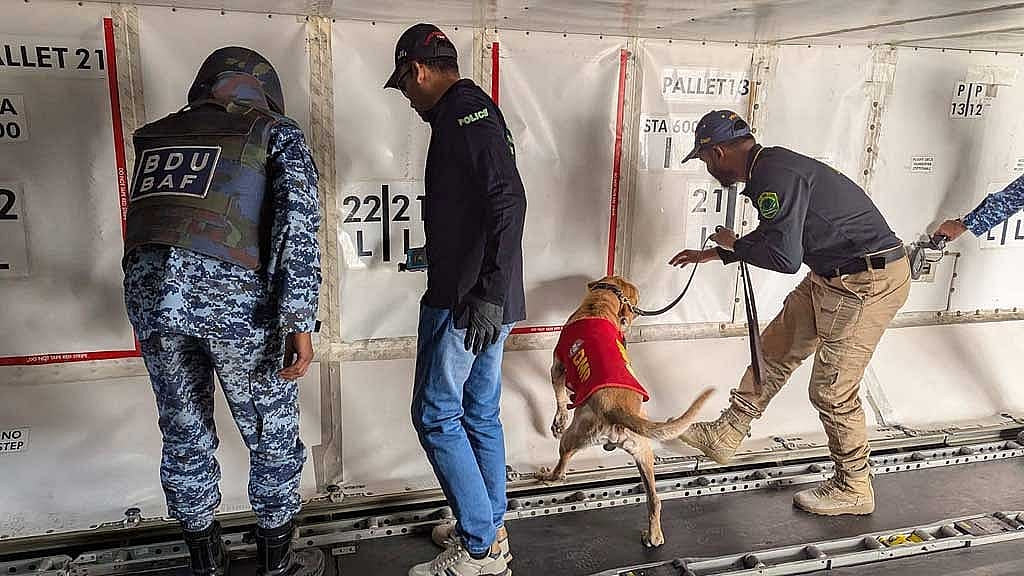
Reinforced and locked cockpit doors became an international security norm, making it much harder for anyone in the cabin to seize control of an aircraft.
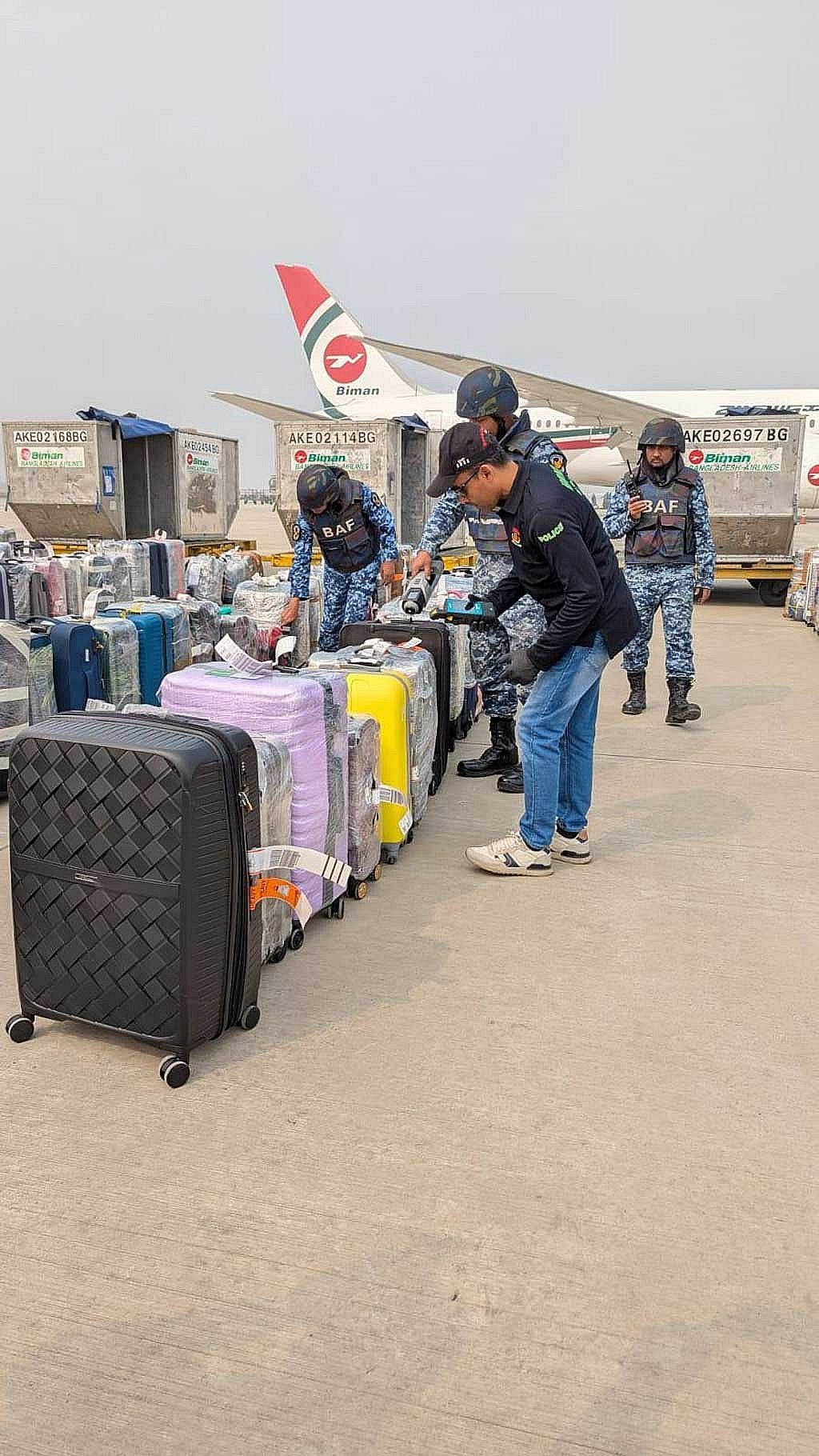
Security around checked luggage also tightened. The International Civil Aviation Organization (ICAO), introduced an unprecedented 17 new standards after 9/11, including requirements for hardened cockpit doors and 100 percent screening of checked baggage by the end of 2006.
Significantly, it also extended parts of its international aviation-security framework to domestic flights, seeking to prevent attackers from exploiting a weak point to enter the global aviation network.
Sharp objects previously permitted in aircraft cabins, including box cutters and some knives, were banned. In the US, the government created the Transportation Security Administration (TSA), and federalised passenger screening.
Why the Liquids? And What About the Shoes?
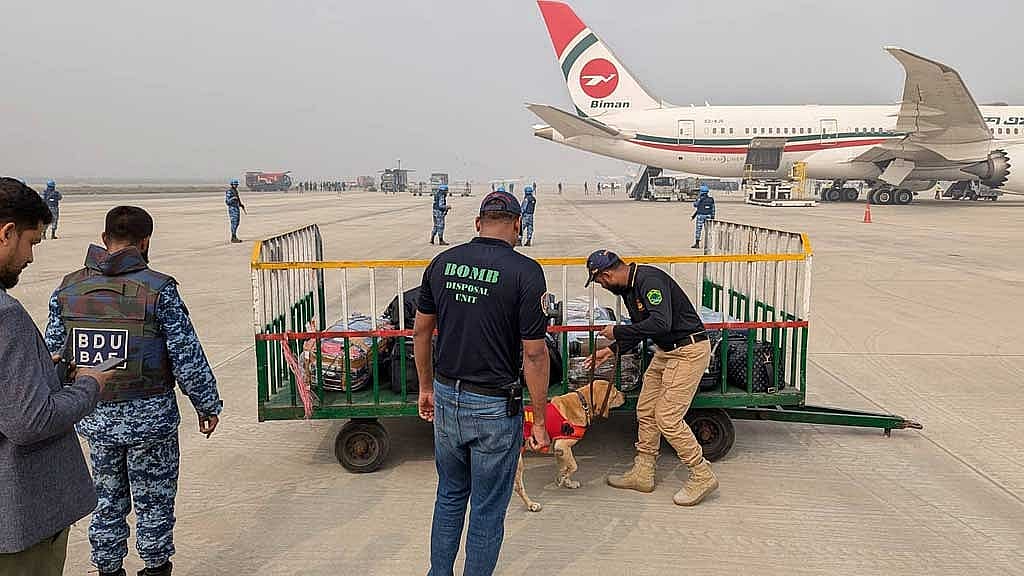
But many of the airport rituals now associated with 9/11 did not actually begin with the attacks.
Instead, today's security system accumulated in layers as later plots exposed new vulnerabilities.
In December 2001, an attempt to detonate explosives concealed in footwear led to enhanced shoe screening in many countries, although the rules were never uniform.
Then came the liquids.
A plot uncovered in Britain in 2006 involved plans to attack transatlantic aircraft using liquid explosives disguised in drinks containers.
Passengers were initially barred from carrying most liquids and gels aboard. Rules subsequently evolved into the familiar restrictions still used at many airports, generally limiting liquids in hand luggage to containers of no more than 100ml.
Another attempted attack in 2009, involving explosives concealed beneath clothing, helped drive the widespread introduction of full-body scanners.
The familiar checkpoint, then, was not created by 9/11 alone. It evolved through successive attempts to circumvent the security measures already in place.
Security Before You Reach the Scanner
The transformation also went beyond what passengers could see.
Governments expanded intelligence-sharing and passenger vetting, while watchlists and more sophisticated identity checks became increasingly important.
Rather than relying solely on finding a prohibited object at the checkpoint, aviation security increasingly sought to identify risks before passengers boarded an aircraft.
ICAO has continued to update its international standards as threats and technology have evolved.
And now technology is beginning to change some of the airport rituals that emerged during the post-9/11 era.
Is the Post-9/11 Airport Changing Again?
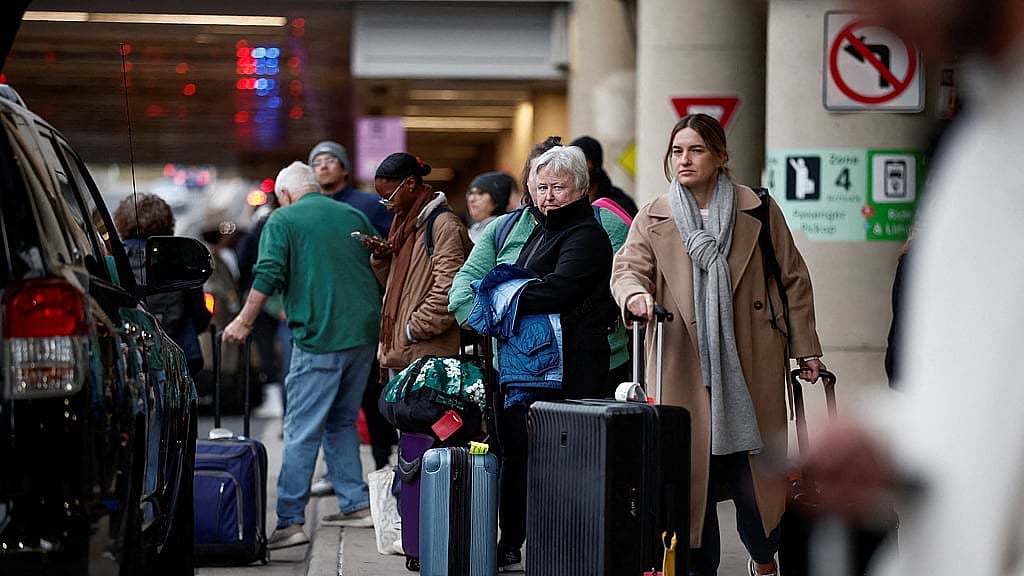
Newer CT scanners can produce detailed three-dimensional images of cabin baggage, allowing security staff to examine its contents more effectively without passengers necessarily having to remove liquids or electronic devices.
Some airports have consequently begun relaxing restrictions involving liquids and electronics. But rules still vary considerably between countries and even between airports, meaning travellers cannot assume that the familiar 100ml limit has disappeared.
The International Air Transport Association (IATA), has argued for greater use of technology and risk-based screening to maintain security while reducing inconvenience for travellers.
So some of the most visible features of the post-9/11 airport may gradually fade.
The deeper transformation will be harder to see off.
Reinforced cockpits, screened baggage, passenger checks and international security standards are now embedded in global aviation. The rituals passengers encounter at checkpoints may continue to change, but 25 years after 9/11, they are still travelling through a security system fundamentally shaped by what happened that September morning.