Published : 09 Mar 2022, 04:11 PM
Updated : 18 Jul 2022, 02:32 PM


In a letter to the Bangladesh Telecommunication Regulatory Commission (BTRC) signed by 45 organisations, including Human Rights Watch, they called on the regulator to withdraw the draft regulations in order to "protect people’s rights and freedoms, and enable an open, free and secure internet in Bangladesh".
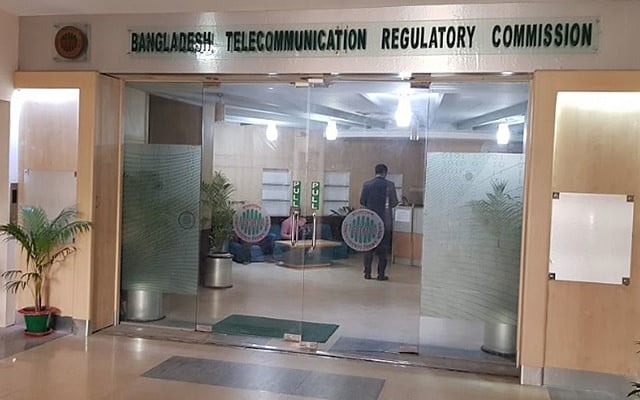
The BTRC had published the “Bangladesh Telecommunication Regulatory Commission Regulation for Digital, Social Media and OTT Platforms” online on Feb 3.
According to the organisations, the regulations imperil people’s freedom of expression, and right to privacy, undermines encryption and weakens online safety.
"If enforced, the regulations will have a deleterious impact on human rights, and put journalists, dissidents, activists and vulnerable communities, in particular, at greater risk."
The letter also flagged the lack of "adequate judicial oversight, clarity and predictability, and integration of human rights and due process" in the content governance framework.
The draft regulations are inconsistent with the international human rights framework, including the Universal Declaration of Human Rights (UDHR) and the International Covenant on Civil and Political Rights (ICCPR), according to the organisations.
"Further, they contravene widely endorsed principles for content governance rooted in international human rights standards, including the Manila Principles on Intermediary Liability and the Santa Clara Principles on Transparency and Accountability in Content Moderation."
Efforts by the telecom regulator to change regulations to address concerns around OTT services can have significant negative impacts on human rights as well as broader principles such as network neutrality, if done improperly, they warned.
The groups also found parallels between the draft regulations and many of the provisions in the "problematic" Information Technology (Intermediary Guidelines and Digital Media Ethics Code) Rules, 2021, in India.
"The Indian Rules are an example of a framework that hurts democracy and must not be emulated. They have been criticised for jeopardising human rights, with demands for withdrawal from many quarters. The Indian rules are currently facing multiple legal challenges before Indian courts, which have issued interim orders against the Indian government to not enforce significant portions of the rules."
In light of the dangers the regulations pose to human rights and freedoms, the groups called on the BTRC to reconsider them and focus on the particular issues that it intends to address rather than adopting a 'one-size-fits-all approach'.
"The BTRC must frame its consultation around the exact problems it wishes to address and engage with stakeholders on what regulatory options are best suited to address them, rather than forcing through one, overbroad set of regulations."
The letter also highlighted the traceability requirement in the framework, which it says will undermine end-to-end encryption, violate privacy and thwart free expression. It also warned that vulnerable individuals and communities, including journalists, dissidents and activists, would increasingly be at risk of being targeted.
The groups also expressed concern over "the government’s plans to adopt a Code of Ethics which is binding on all media, defined broadly, which effectively gives the Ministry of Information unfettered power to set content rules for the media, contrary to international law".