Published : 14 Nov 2026, 01:48 AM
Updated : 14 Nov 2026, 01:48 AM


The head of the International Energy Agency (IEA) has said the world has moved beyond the age of coal, oil and gas, and entered “the age of electricity”.
Fatih Birol, the agency’s executive director, told The Guardian that global electricity generation was expected to grow more than twice as much over the next decade as it did in the previous 10 years, driven by rising demand for electric transport, artificial intelligence datacentres, and air conditioning.
In an interview with The Guardian at the COP31 UN climate summit in Turkey, Birol said the world had added about 5,000GW of electricity generation capacity over the past decade and was expected to add around 12,000GW in the next 10 years.
Governments from 185 countries are meeting in Antalya for the annual climate talks, where a proposal to derive 35 percent of final energy worldwide from electricity by 2035 is among the key issues.
If adopted, the resolution could help economies achieve the decarbonisation needed by mid-century, reports The Guardian.
Electricity currently meets about a quarter of global energy needs, while fossil fuels supply the remaining three-quarters, mainly for transport, heating and industrial use.
According to The Guardian, Birol said renewable sources were increasingly contributing to electricity generation, a trend expected to accelerate in the coming decades.
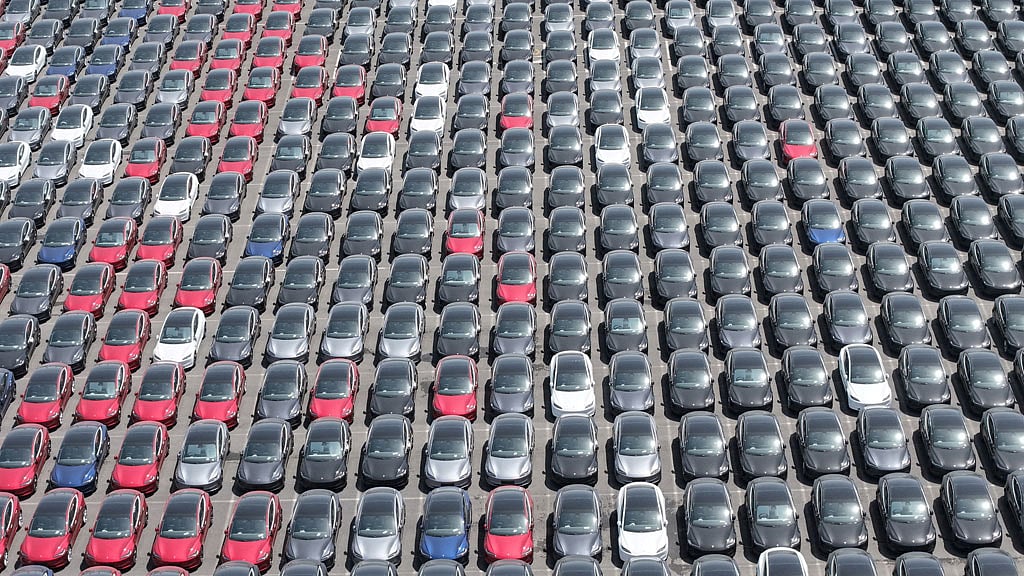
Electric car sales outside China had risen by 60 percent over the past nine months, according to the IEA.
“With the increasing effects of climate change, and if they have more money, [people] buy air conditioners,” the IEA chief told The Guardian.
He added that electrification would benefit energy security, national competitiveness and efforts to tackle climate change, adding that “global electricity demand is growing three times faster than total energy demand.”
Birol blamed Britain's high electricity prices on its reliance on imported gas, saying rising gas prices had pushed up electricity costs.
“The solution is not importing more gas, but building more [renewable] electricity at home,” he was quoted as saying by The Guardian.
He also pointed to the rapid growth of electric vehicles, saying they accounted for about 5 percent of car sales five years ago, compared with an expected one-third this year. Electric trucks were also entering the market, he added.
“If the electrification pledge comes out [of COP31] and the countries decide that the world’s energy future is electric, then it will definitely lead to a secure, more affordable and more livable planet,” he said.