


Published : 16 Dec 2016, 02:39 PM
Updated : 19 Oct 2022, 05:35 PM


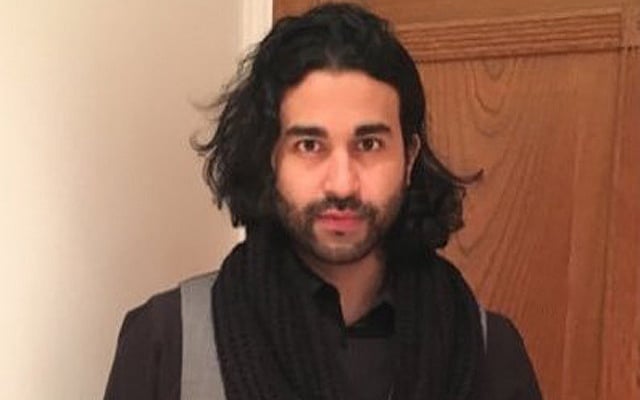
The decision to go back was impromptu, sudden, and very much ad hoc. We tend to be like that as a family when it comes to holidays and travelling.
I kind of cheekily decided to take some Instagram photos and hashtag them all while I was there. And to be honest the desire to connect with my background stemmed partly from watching British Bake Off winner Nadiya Hussain’s superb BBC documentary The Chronicles of Nadiya.
The first episode especially connected with my immigrant experience of navigating life.
Growing up in London, there is something that pulls at your spirit, knowing that your browned complexion will always stamp your origins as ‘elsewhere’. But this sort of introspection tends to wax and wane.
For no reason in particular … just depends on the mood. Yet when in Bangladesh, there is a flicker within your thoughts that you are not quite from this part of the world either. That tense feeling of being from one place, but being from another. Londoner or Bangladeshi. British or Bengali.
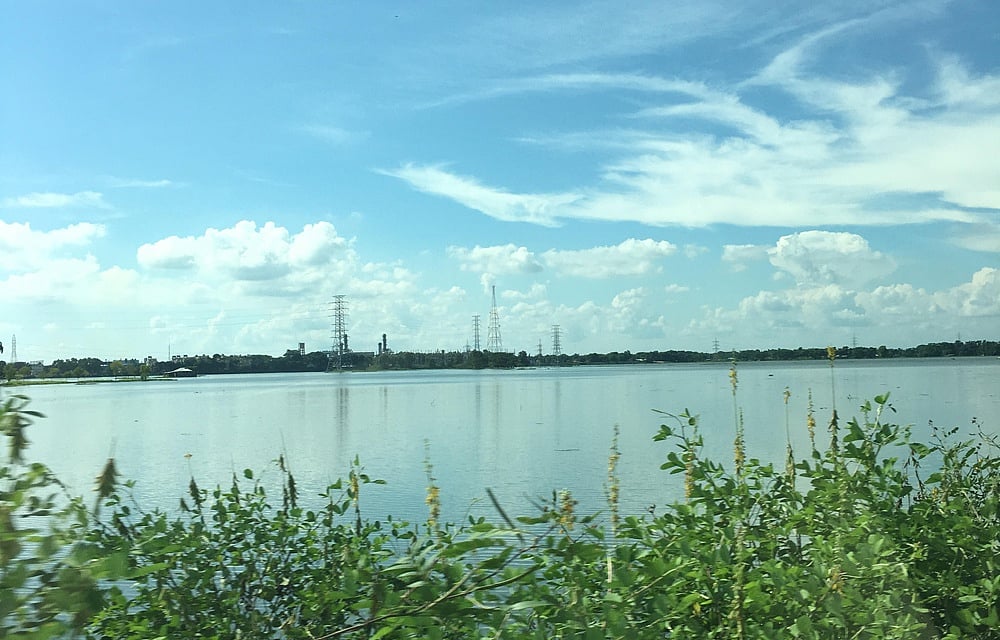
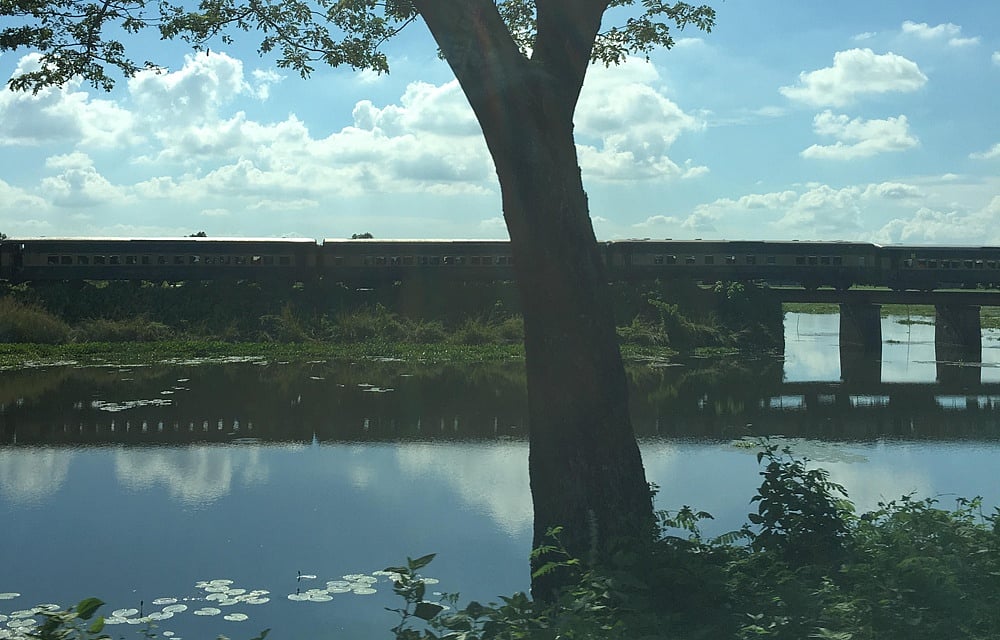
What struck me most this time was the beauty of Sylhet. When I was younger, we had visited the mountainous regions toward the Bangladesh-India border in the north east of the country.
The trip itself was a two-week whirlwind, in which four days were completely lost to jetlag. Arriving at our home in Moulvibazar, I felt a sense of calm. I had last visited this home in the summer of 2009. Moulvibazar is a maximum one and half hour drive from Sylhet town, a straight drive.
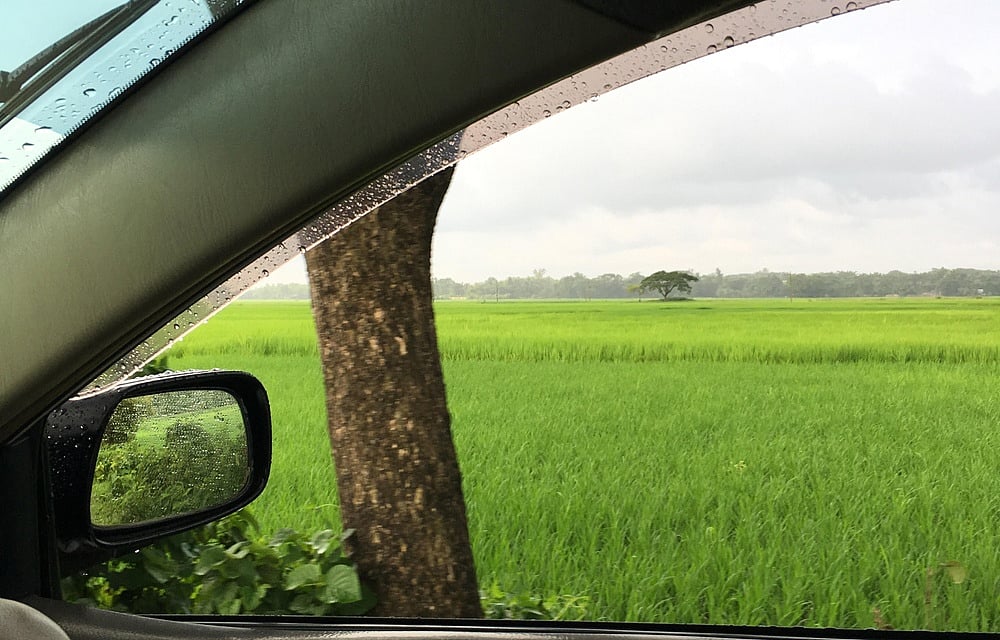
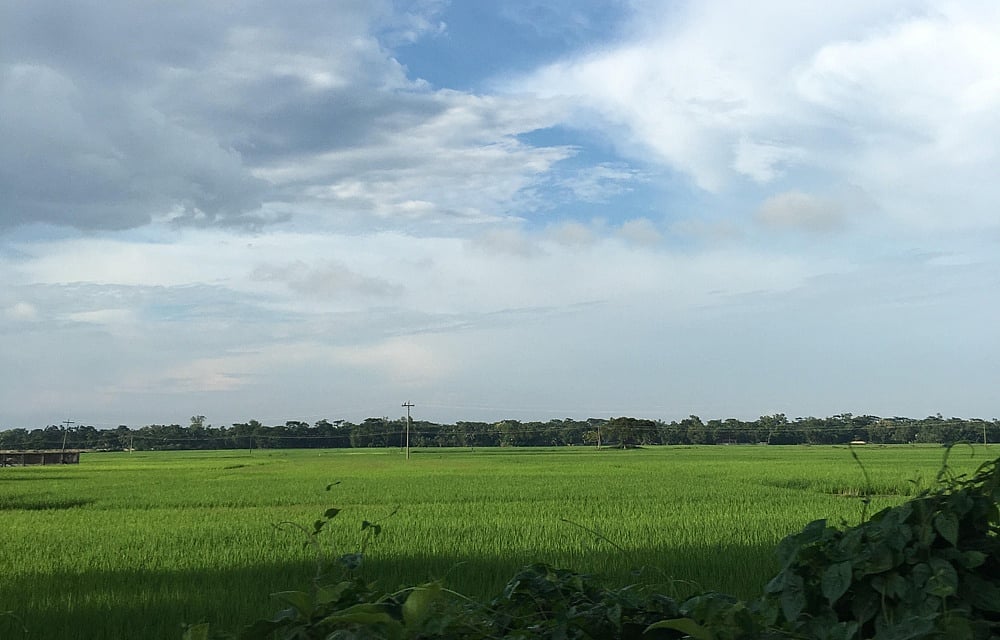
I loved the natural backdrop during that drive. During another time driving to Srimangal, I rolled the window down (I didn’t really roll the window down, I pressed on the automatic button), and caught a glimpse of a cricket match taking place on a plain cleared amongst the shobuj fields. A bunch of kids played under the midafternoon sun, against the backdrop of rubber trees and mountain range that kissed the clouds.
I wanted their life. In fact it was during my trips to Bangladesh as a youth that I learned to play cricket with my uncle in our gramer barhi in Fatehpur.
But I found myself wondering whether I was becoming one of those folks who perpetrate ‘Orientalism’ – exotifying without understanding, going for the “aww shucks” approach and smiling at others’ simple life from a distance, without knowing what the everyday struggle is. I don’t know…
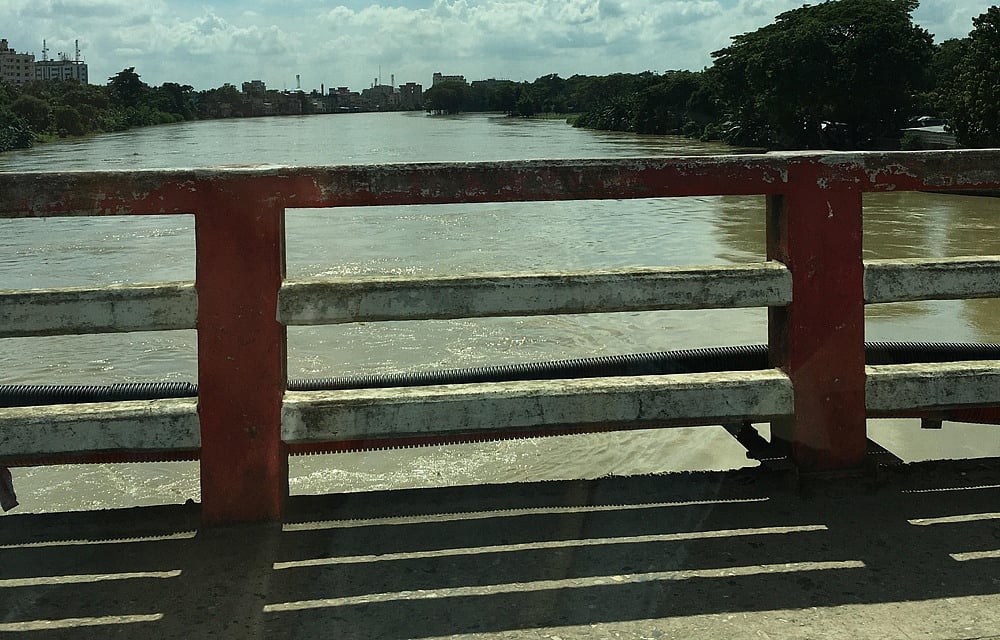
We drove to Sylhet town, where my khala lives. As we crossed the Surma River into the town boundary, what struck me as ajob was a 7-feet billboard of Kareena Kapoor promoting some random soap company.
One definite mental approach I had during my short stay was to emotionally understand the connection between land and people. But to understand it, I had to allow myself to understand the trauma which took place on the land over forty years ago…
*****************************
Fatehpur village in Shahabondor, where my grandparents had lived, was originally a Hindu majority village with generations who had possibly lived in this region for thousands of years.
The village is named Fatehpur after Fateh Khan, a Muslim settler and progenitor of our family tribe, who had arrived from the West (possibly Afghanistan) and settled in Moulvibazar approximately 200 years ago.
*****************************
The War of Independence was a vicious war between Bangladesh and Pakistan, when Bangladesh claimed its independence after an almost year-long genocide committed by the Pakistan forces, where an estimated three million people were slaughtered by the regime and its supporters.
When I was scrolling through the internet doing my ‘googles’, I found a poster from the War of Independence which read as follows in Bangla:
Banglar Hindu,
Banglar Christian,
Banglar Bouddho,
Banglar Musolman,
Amra Shobai Bangali.
This poster was powerful for a couple of reasons: it challenged sectarianism which had eviscerated South Asia and announced an ethnic unity which was being challenged and tortured by the Pakistan regime.
While Bengali Muslims also faced death and torture – and there is literature available on how the Pakistan regime assassinated Bengali intellectuals of the nationalist movement, I tried to understand what had happened in the far flung regions of the bhatti desh, where coverage of atrocities might not have made it to mainstream knowledge.
When my dad was about seven years old, he remembers anticipating an attack on his village. My dadu took all her kids, and fled to her sibling’s village. Panicked by what might happen, she remained in hiding at the rural gram, away from the savagery.
School life during the war was also about visual terror. At the local government school that my dad attended, the Pakistani army would drive a jeep around the football field on mornings, the back of the truck filled with dead bodies. Some of them were teachers, some freedom fighters and many were Hindus.
And then the megaphone which was clasped onto the top of the jeep would blare out inane messages, to warn and traumatise schoolchildren of the consequences.
What is the purpose of recounting these collective memories of loss and trauma? It is about understanding and remembering those who cultivated the greenery, commemorating the generations who had lived in these plush green lands.










