Published : 28 Sep 2026, 04:14 PM
Updated : 28 Sep 2026, 04:14 PM


A space rock that once had scientists concerned about a possible collision with Earth has a new potential target: the moon.
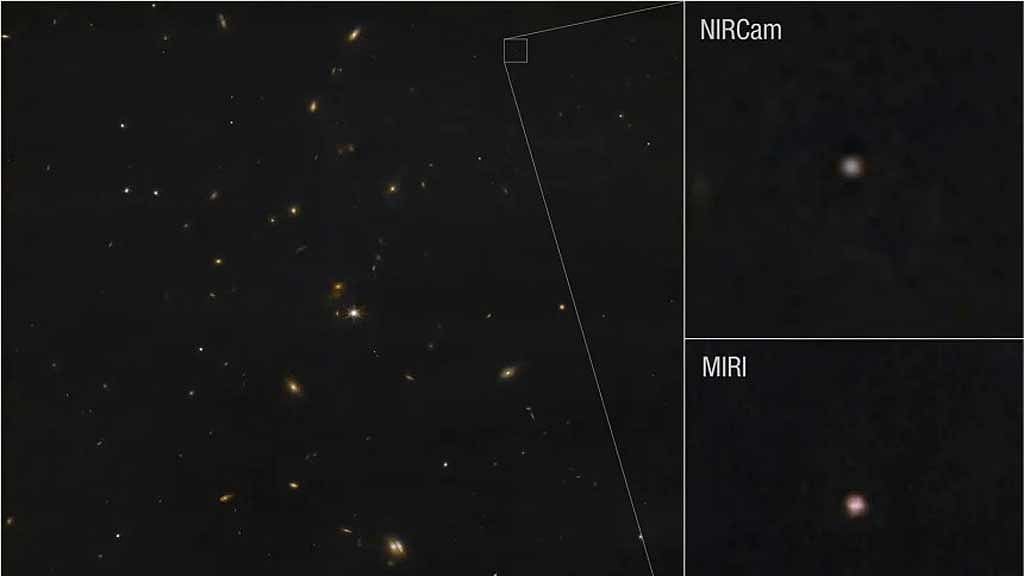
Asteroid 2024 YR4, estimated to be around 60 metres wide, at one point carried a 3.1 percent chance of striking Earth in December 2032, CNN reports.
Further observations effectively ruled out an Earth impact, but calculations also indicated a 4.3 percent chance that the asteroid could instead strike the moon.
If that happens, researchers say the impact could be the largest on the lunar surface in thousands of years, carving out a crater about a kilometre wide and throwing vast amounts of rock and dust into space.
Some of that debris could reach Earth within days or months, potentially producing a spectacular meteor shower.
The particles would not pose a danger to people on the ground, but satellites in orbit could face unusually intense exposure to debris, potentially affecting communications and navigation systems.
Any astronauts or infrastructure on the moon at the time could also be at risk.
YR4 has since moved beyond the range of most telescopes, but the James Webb Space Telescope has been approved for another attempt to observe it before 2028.
Researchers say that could give scientists more time to refine the asteroid’s trajectory and assess whether any response is needed.
CNN reports that there remains a strong chance that further observations will rule out a lunar impact altogether.
The episode has also prompted discussion about whether planetary defence should extend beyond protecting Earth alone.
“We’re starting to realise that maybe we need to extend that shield a little bit further,” said Paul Wiegert, an astronomy professor at Western University in Canada.