


Published : 25 Oct 2014, 01:36 AM
Updated : 19 Oct 2022, 07:42 PM


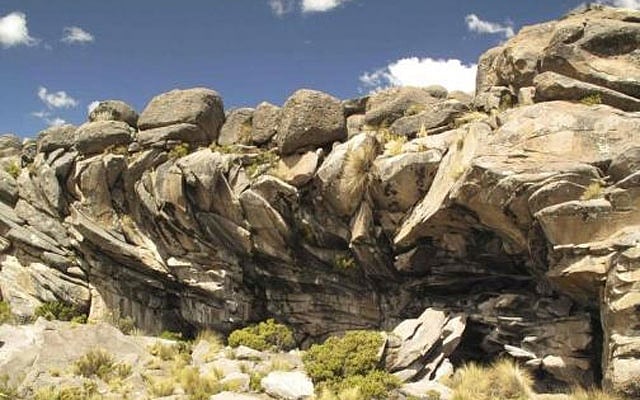
Scientists on Thursday described the world's highest known Ice Age settlements, two archaeological sites about 2.8 miles (4.5 km) above sea level and about 12,000 years old packed with artefacts including a rock shelter, stone tools, animal bones, food remnants and primitive artwork.
"What this tells us is that hunter-gatherers were capable of colonizing a very extreme environment, the high Andes, despite the challenges at the end of the Ice Age," said archaeologist Kurt Rademaker of Germany's University of Tübingen, who led the study published in the journal Science.
"And they did so quite successfully. It pushes back the date of initial entry of humans to this kind of elevation."
The sites in an Andean locale called the Pucuncho Basin were occupied by small numbers of people, probably only in the dozens.
"Bands of hunter-gatherers are small and not many could fit into the rock shelter, perhaps just a few families," said University of Maine archaeologist Dan Sandweiss, another of the researchers.
The researchers said the sites show high-altitude human habitation was occurring nearly a millennium earlier than previously known.
"We look at the challenges and we say, 'Why would you do that when you could just live somewhere else?'" Rademaker said. "Whatever reason they initially went up there, there were reasons to stay despite the challenges."
At that altitude, temperatures averaged 37 degrees Fahrenheit (3 degrees Celsius), solar radiation was high and oxygen was low.
But there also were animals like vicuña and guanaco - llama relatives - and taruca deer to hunt, the rock shelter, water in streams, bogs and wetlands, and stone like obsidian to make tools.
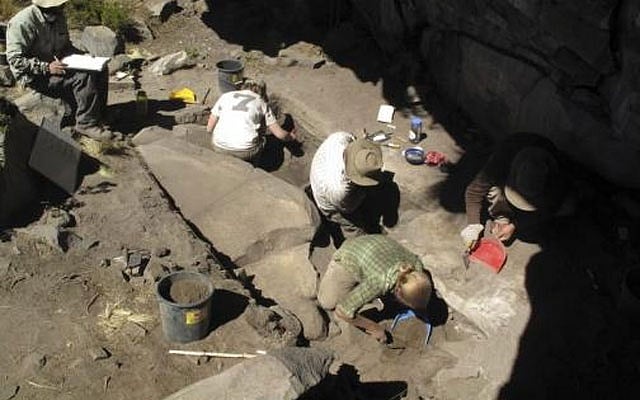
Excavations at Cunchaicha rock shelter in Peruvian Andes is shown in this handout image released on October 22, 2014. REUTERS










