


Published : 13 Jun 2013, 05:45 AM
Updated : 09 Aug 2022, 10:47 AM


The Federal Trade Commission (FTC) is investigating whether United Launch Alliance (ULA), a joint venture of Lockheed Martin Corp and Boeing Co, violated federal antitrust laws by "monopolizing" or restraining competition through an exclusivity agreement with the maker of the engines used in its rockets, according to a FTC document obtained by Reuters on Wednesday.
RD Amross, a joint venture of Russia's NPO Energomash and Pratt & Whitney Rocketdyne, a unit of United Technologies Corp, provides RD-180 engines for ULA rockets.
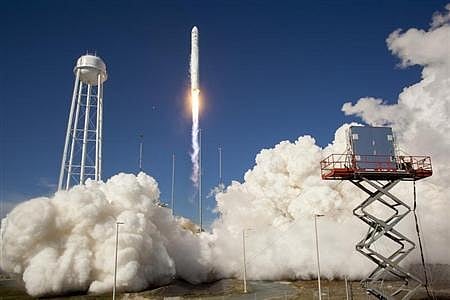
Industry sources say ULA is preventing RD Amross from selling the engines to other rocket makers, including Orbital Sciences Corp, which is trying to break into the lucrative market for government rocket launches.
Jessica Rye, spokeswoman for ULA, confirmed the investigation and said the company was cooperating with antitrust regulators.
"ULA's contracts to purchase the RD-180 engine are lawful, pro-competitive and designed to provide the most reliable launch vehicle possible for critical US government missions," Rye said. "Because this is ongoing investigation, it would be inappropriate for us to comment on specifics."
Pratt & Whitney spokesman Jay DeFrank said his company is aware of the investigation and cooperating with US regulators.
The FTC declined comment.
Barry Beneski, a spokesman for Orbital Sciences, said the company had been contacted by the FTC about the probe.
"We have been contacted by the FTC about their investigation. However we can't be more specific than that," Beneski said. "In general, the company supports efforts to ensure there is an open and fair competitive environment in the market for launch services."
Lockheed and Boeing formed the joint venture in 2006 after years of competing for contracts under the Air Force's Evolved Expendable Launch Vehicle (EELV) program, which provides launch services for large military, intelligence and NASA satellites.
The companies won US government's approval for the venture by arguing that there was not enough demand for heavy lift rocket launch services to support two competitors since the commercial demand they had expected had failed to materialize for such large rockets.
The US Air Force, frustrated about the high cost of EELV rocket launches, has in recent years tried to infuse more competition into the launch service market.













