


Published : 01 Jan 2015, 07:48 PM
Updated : 08 Aug 2022, 04:34 PM


Amidst BNP’s allegations of opposition being prevented from holding any political programme, Dhaka Metropolitan Police (DMP) gave Chhatra Dal the permission to hold the rally at the Suhrawardy Udyan.
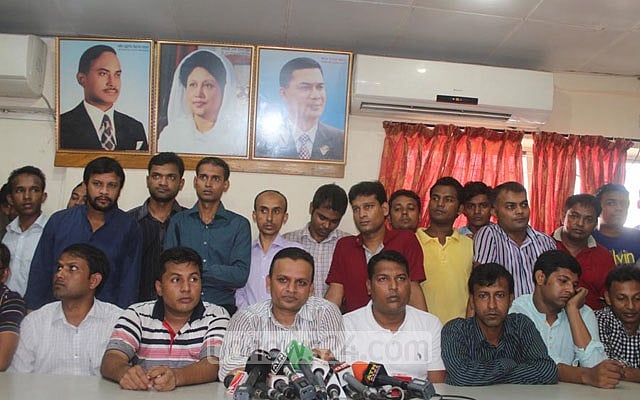
But Chhatra Dal has decided to cancel the event, saying they were not prepared to hold it in such a short time with the permission coming in the eleventh hour.
Its Office Secretary Abdus Sattar Patwari told bdnews24.com on Thursday, “We sent a mail to the DMP, seeking permission to hold the rally on Dec 15. But they gave us verbal permission, that too with some conditions on the night of Dec 29.”
“But it’s not possible for us to make arrangements for the rally at such a short notice,” he said.
DMP Deputy Commissioner Masudur Rahman said police gave Chhatra Dal the permission with conditions that the programme should end before evening and there should be no gathering outside the venue to avoid traffic jam.
Chhatra Dal had called the programme to celebrate its founding anniversary. It was the first major programme announced by the new committee, which has been mired in infighting.
Many leaders of the organisation, however, told bdnews24.com that the rally had to be cancelled as many of them, including the president and general secretary, were implicated in cases over the torching of vehicles.
Chhatra Dal President Rajib Ahsan and General Secretary Akramul Hasan have been accused in a case over the torching of a bus on the eve of last Monday’s shutdown called by the BNP. BNP Secretary General Mirza Fakhrul Islam Alamgir is also an accused in the same case.
Despite calling off the rally, the Chhatra Dal leaders will celebrate the founding day at its Naya Paltan office by cutting a cake in the evening on Thursday.
On Friday, they will pay respect to BNP founder Ziaur Rahman by placing wreaths at his grave.
Bangladesh’s first military ruler Gen Zia founded Jatiyatabadi Chhatra Dal on Jan 1, 1979. The organisation dominated the students’ associations of the educational institutions in the 1980s.
But political analysts say the organisation now is a shadow of its former self.







