


Published : 21 Dec 2019, 04:24 AM
Updated : 17 Oct 2022, 11:50 AM


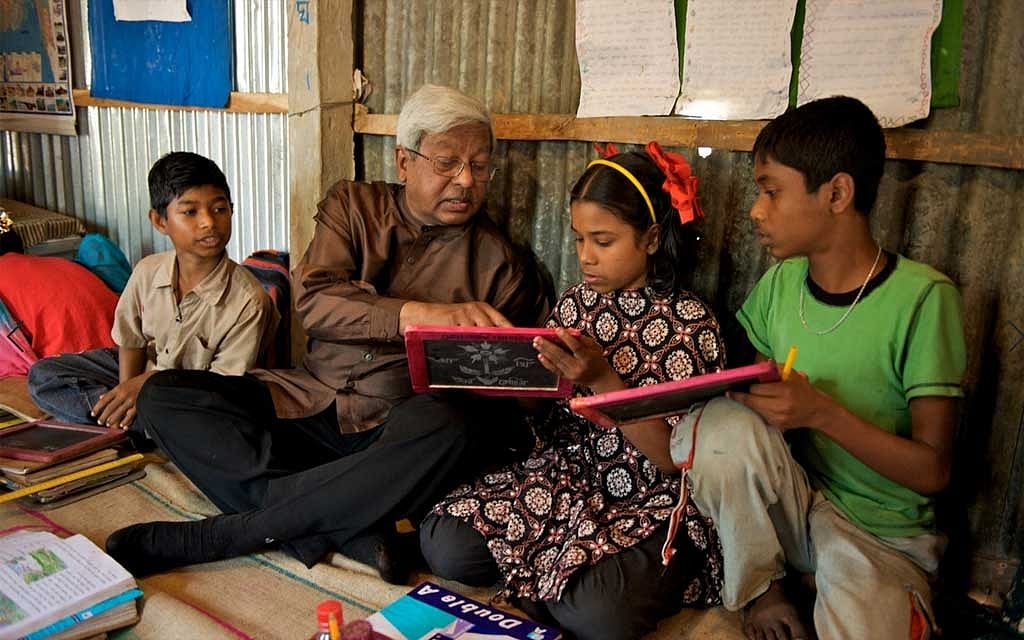
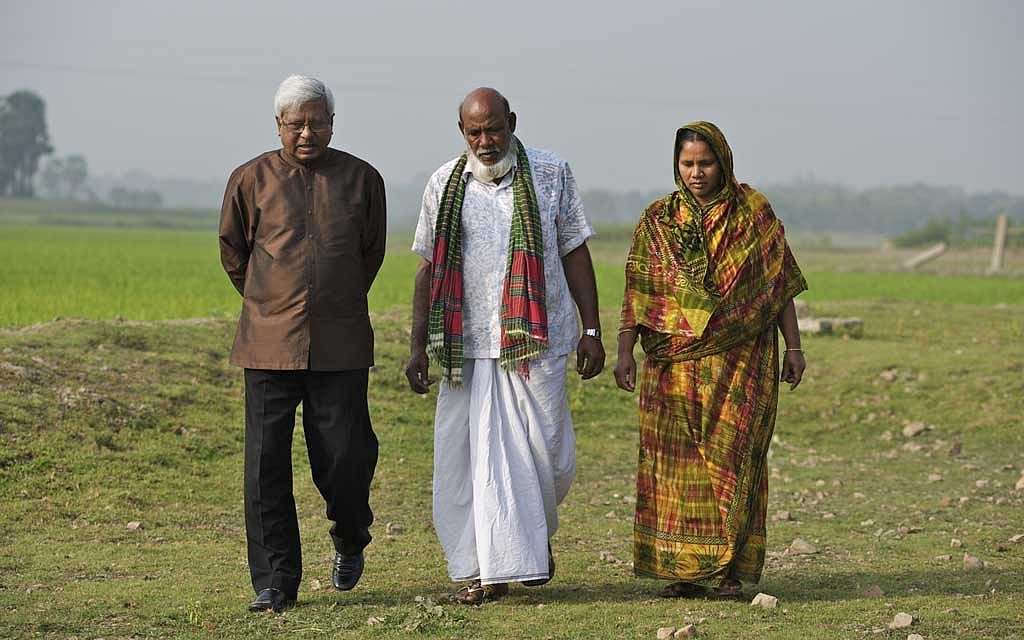
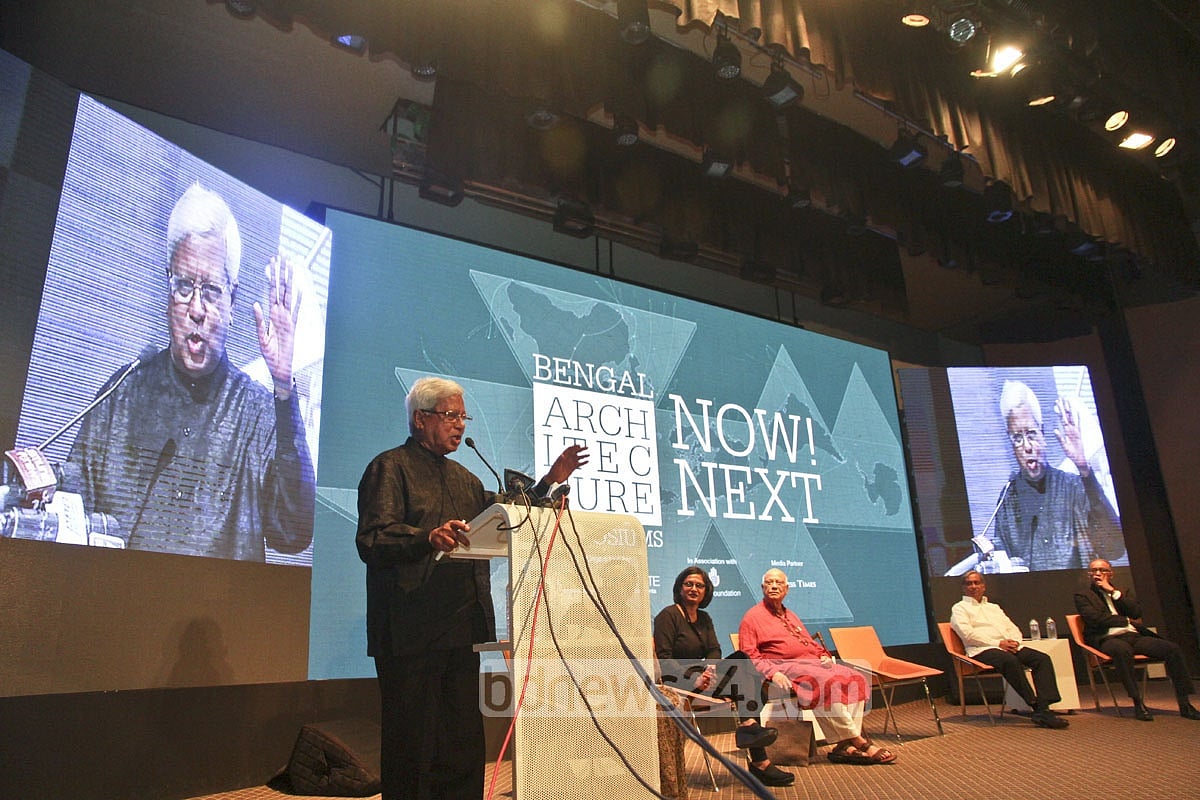
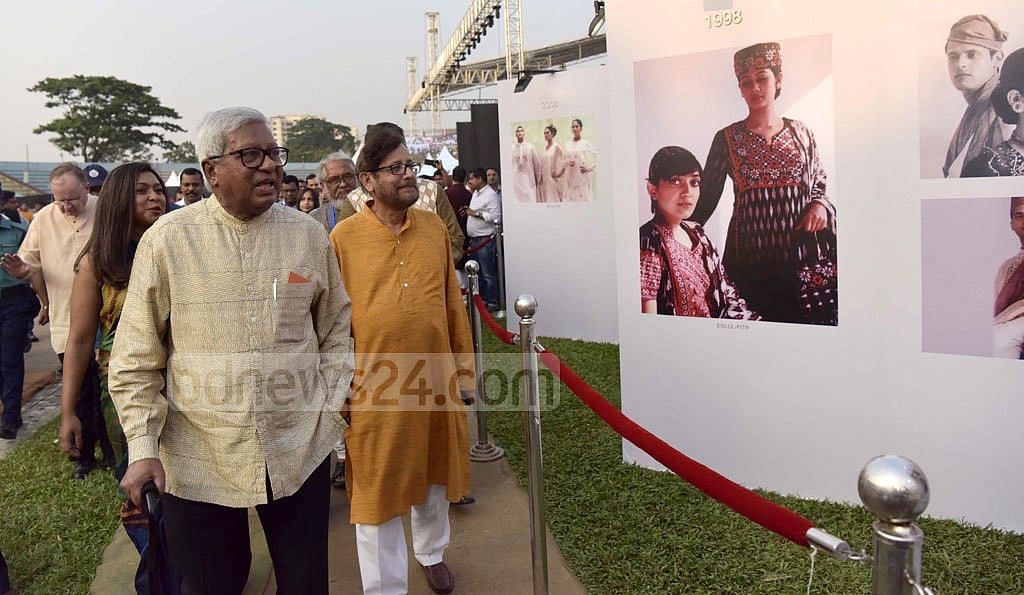
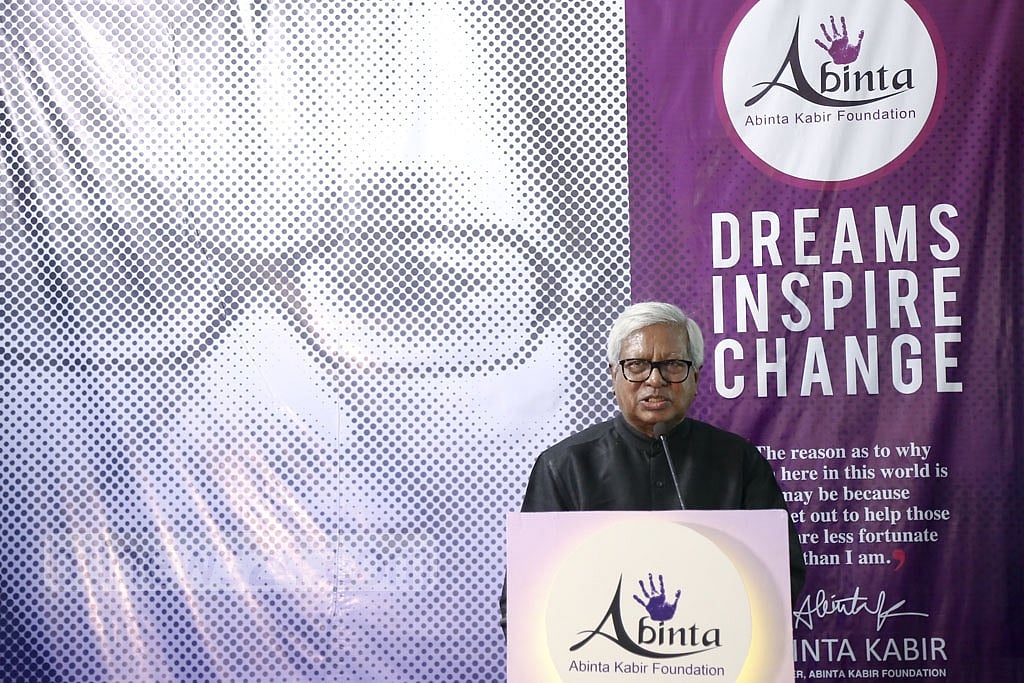
His cardinal goal was to free Bangladesh from poverty, he said after being ceremonially conferred knighthood at Buckingham Palace in London in 2010 in recognition of his outstanding contribution to poverty alleviation and empowerment of the poor in Bangladesh and beyond.
The founder of BRAC died at a Dhaka hospital at the age of 83 after he lost his battle with a brain tumour on Friday.
“The people will remember him for long with the respect he deserves for his contribution to the country’s socio-economic development,” President Md Abdul Hamid said in a tribute.
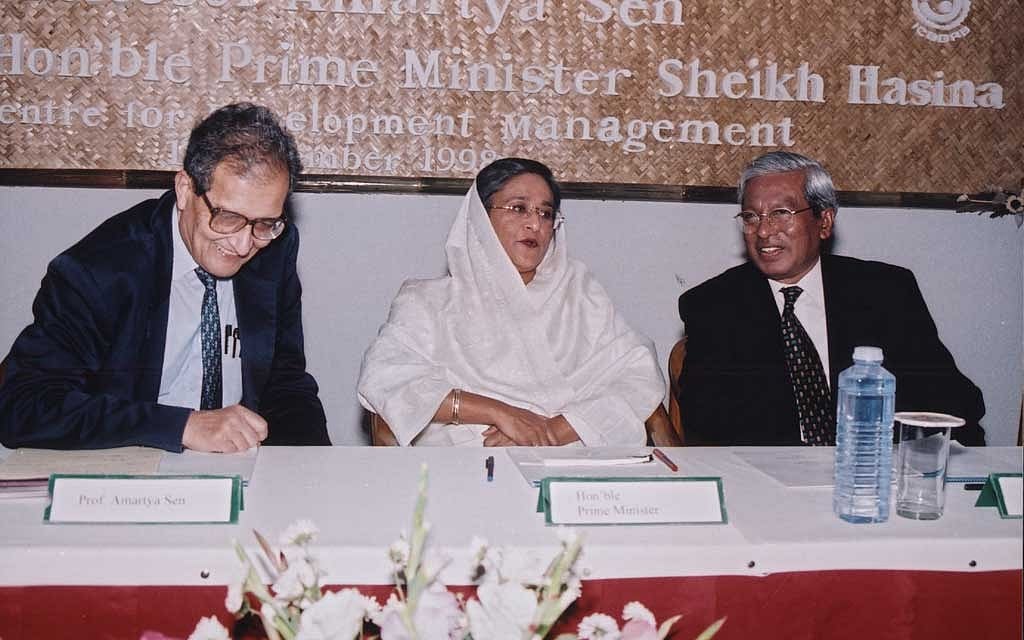
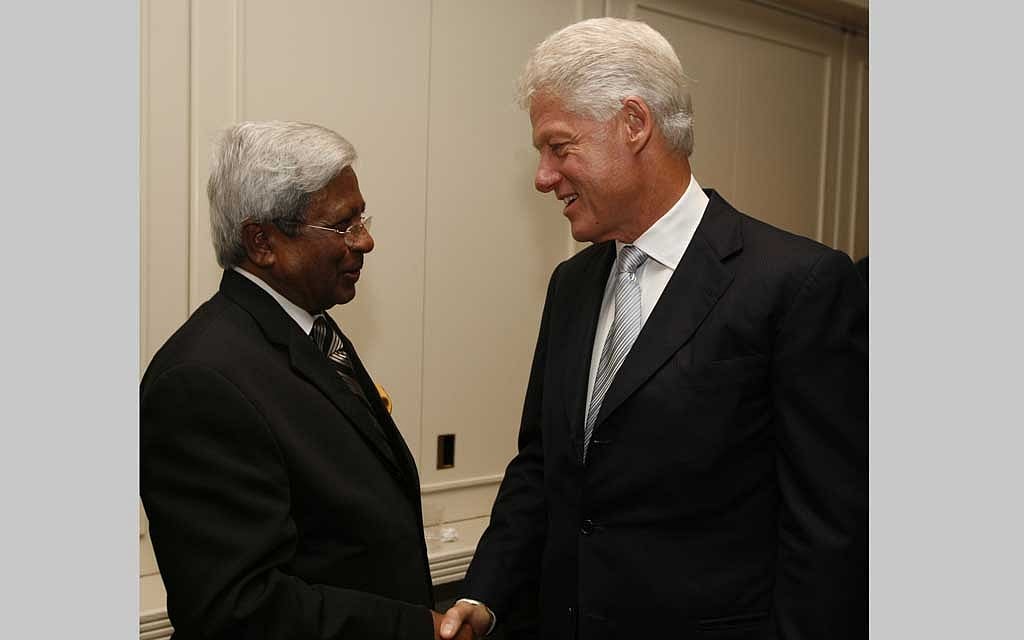
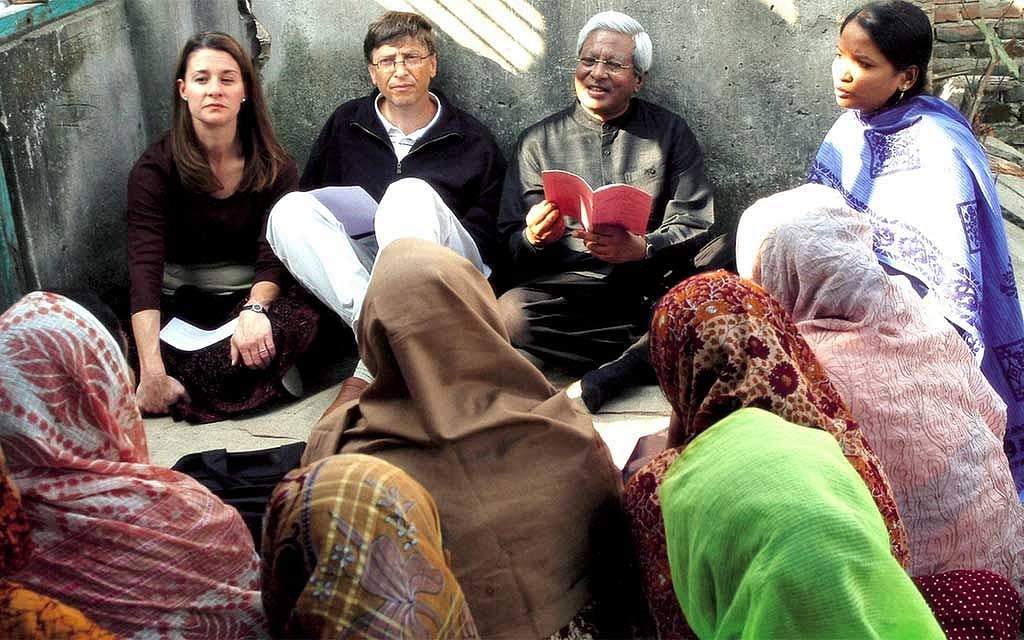
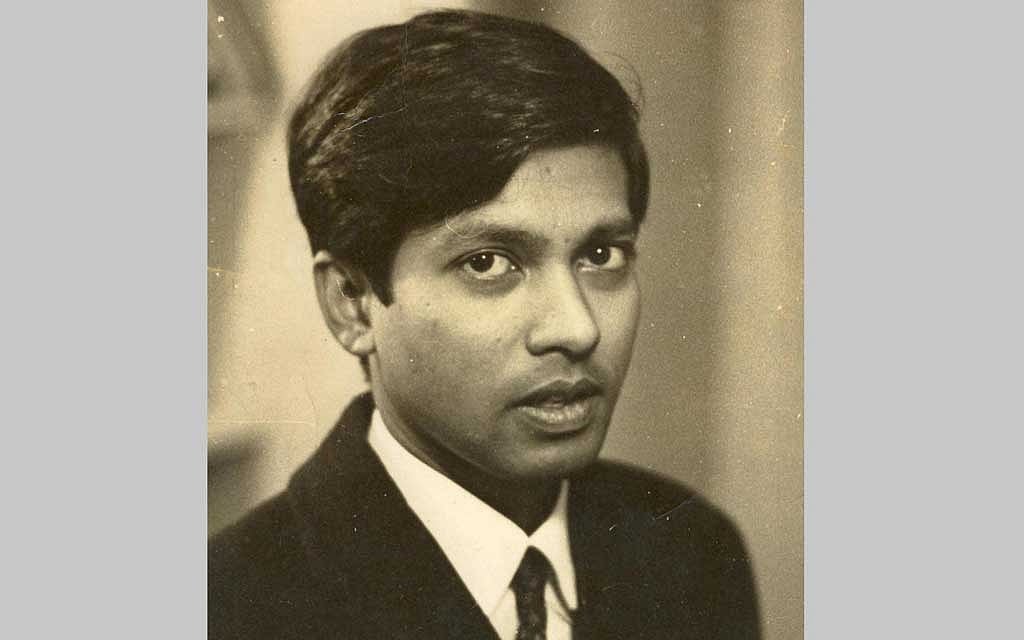
Born on Apr 27, 1936 in Baniachang village of Habiganj district to Siddique Hasan and Syeda Sufia Khatun, Sir Fazle’s school life was strewn with transfers, from Habiganj to Cumilla to Pabna. He cleared higher secondary examinations from Dhaka College in 1954.
He went to the University of Dhaka to study honours in physics, but dropped out, and moved to England.
There he studied naval architecture at the University of Glasgow in Scotland for two years but left the department to study accounting. He completed cost and management accounting in 1962.
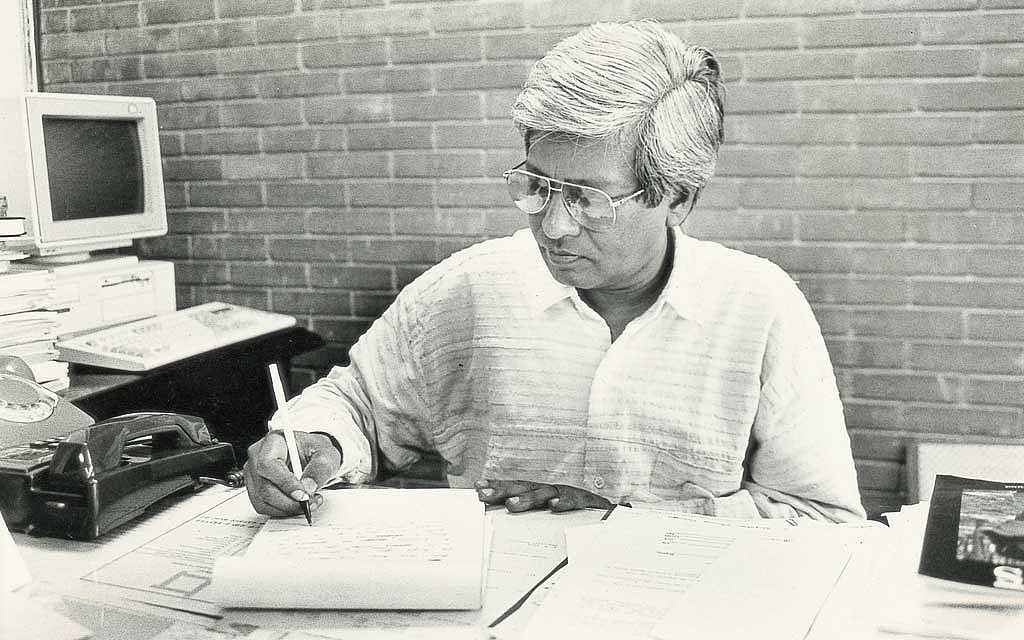
After a cyclone hit the coast on Nov 12 that year, claiming at least 300 thousand lives, Sir Fazle, along with friends and colleagues, travelled to Monpura, one of the worst hit remote islands, to distribute relief. Later they formed an organisation called HELP to continue the relief operations.
When the Liberation War started in 1971, Sir Fazle resigned from Shell Oil and moved back to London to campaign for the independence of Bangladesh.
CAMPAIGN FOR INDEPENDENCE
On arrival in London in May, 1971, Sir Fazle founded two organisations - Help Bangladesh and Action Bangladesh - along with a number of like-minded people, to campaign for the independence of Bangladesh.
Action Bangladesh campaigned for garnering public as well as political support from Western governments, particularly to stop atrocities by the Pakistani army while Help Bangladesh focused on raising funds for freedom fighters.
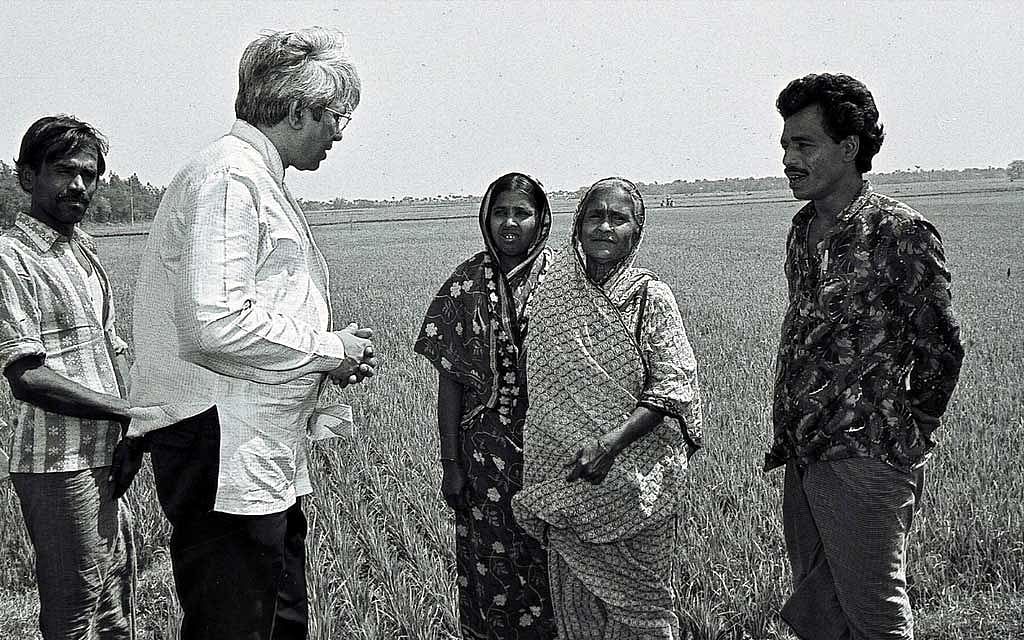
Before returning to independent Bangladesh in 1972, Sir Fazle had sold his small London flat to initially fund the relief work he was about to undertake for the refugees coming back from India.
He established Bangladesh Rehabilitation Assistance Committee or BRAC and began relief and rehabilitation work in Sulla and Dirai Upazilas of Sunamganj.
The first phase of BRAC’s intervention in Sulla commenced on Feb 1, 1972, the official date of the organisation’s establishment.
Sir Fazle became one of the earliest proponents of microfinance in Bangladesh with an aim to help poor communities overcome poverty as BRAC began providing microloans in 1973.
Later on, BRAC also pioneered the 'graduation approach', a model for assisting people to sustainably overcome extreme poverty. The model has been scaled up in over 40 countries as of 2019.
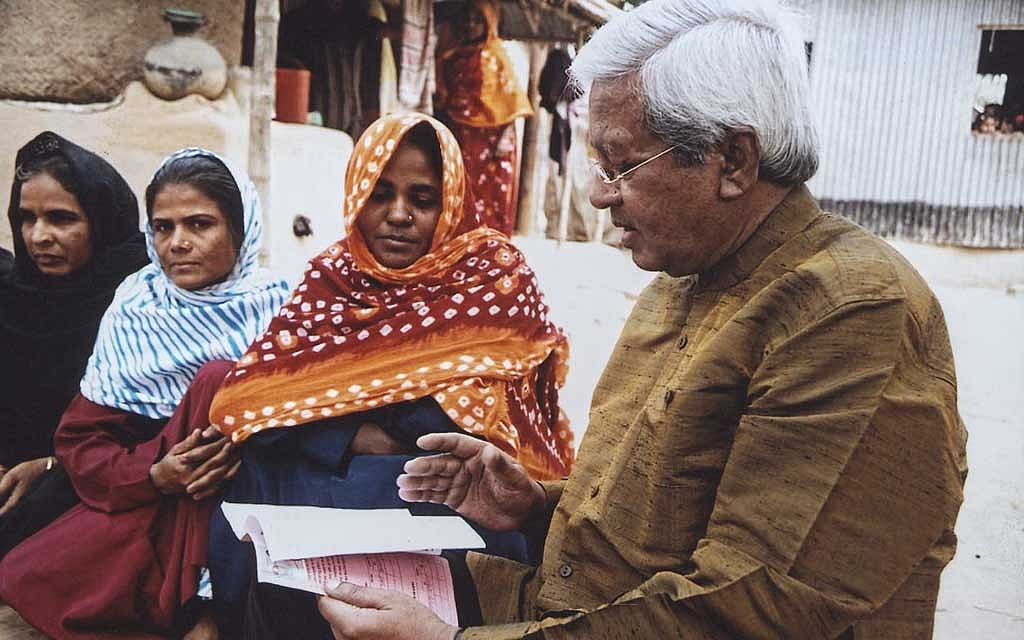
BRAC began international operations in 2002 in Afghanistan and now runs development programmes in 11 countries in Asia and Africa, including Bangladesh.
BRAC was ranked the world’s number one NGO for four years in a row, from 2016 to 2019, by NGO Advisor, a Geneva-based independent media entity, for its innovative, cost-effective and evidence-based programmes.
Sir Fazle led BRAC as its executive director from 1972-2001. He then assumed the position of chairperson and held it till 2019, retiring on Aug 1 to become its chairperson emeritus.
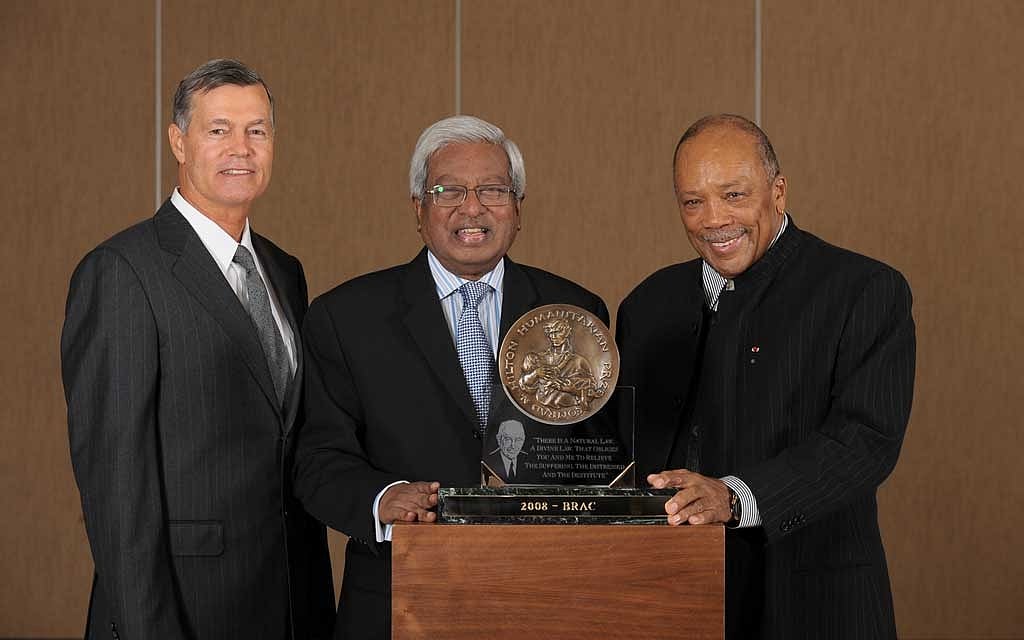
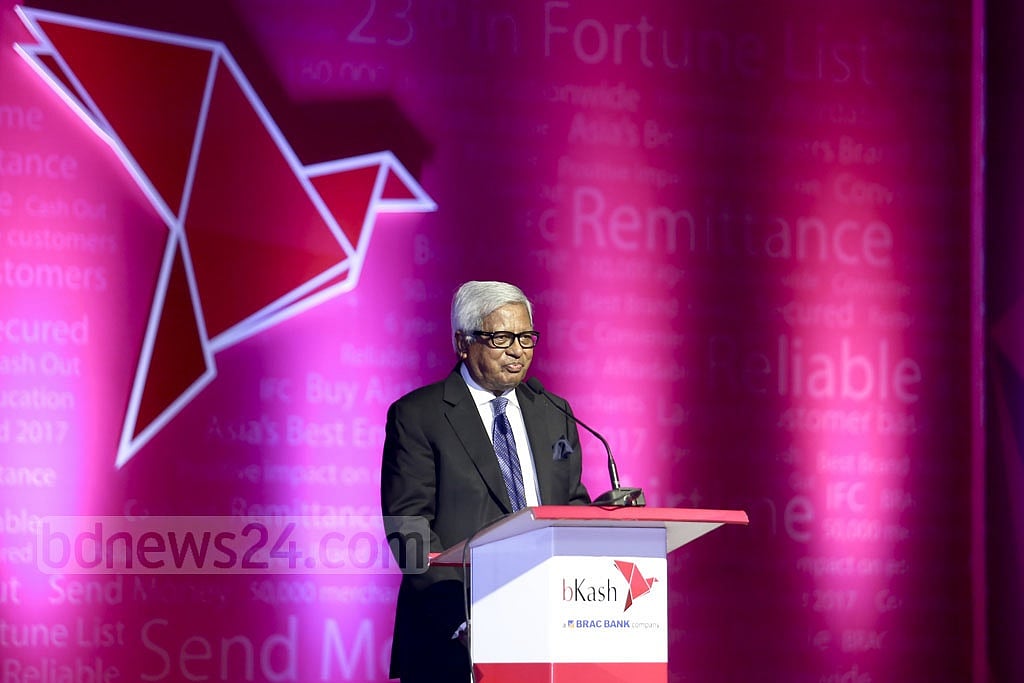
Abed founded BRAC University in 2001 and served as chairman of its board of trustees until 2019 before retiring on July 24.
Sir Fazle also founded BRAC Bank in 2001. He was its chairperson in two phases, from 2001-2008, and from 2013-2019, retiring on Aug 26.
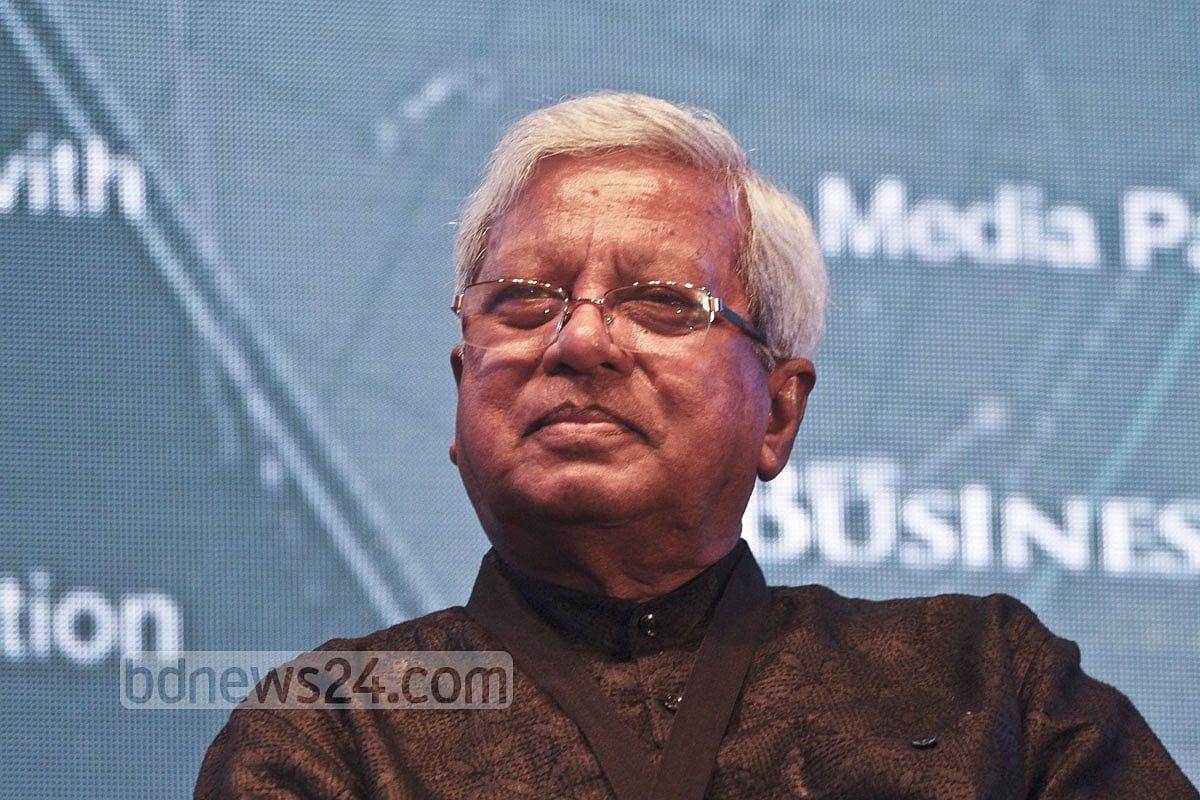
Sir Fazle sat on the boards, strategic and executive committees in numerous eminent national and international institutions. These were:
- Chairperson, Association of Development Agencies in Bangladesh (1982-1986)
- Senior Fellow, Bangladesh Institute of Development Studies (BIDS) (1982-1986)
- Chairperson, NGO Forum for Drinking Water Supply and Sanitation (1990-2009)
- Chairperson, Ain O Salish Kendra (1993-1994 and 2007-2009)
- Member, Centre for Policy Dialogue (CPD)
-Chairperson, Gono Shakkhorota Abhijan (1990-2009)
- Member, NGO Committee of the World Bank in Geneva (1986-1991)
- Chairperson, South Asia Partnership (SAP) from (1987-1990)
- Member, International Commission on Health Research for Development under Harvard University (1987-1990)
- Member, SAARC’s South Asian Commission on Poverty Alleviation (1992-1993)
- Member, Board of Governors, Institute of Development Studies, Sussex University, UK (1998-2004)
- Member, Policy Advisory Group of The Consultative Group to Assist the Poorest (CGAP), World Bank, Washington (1998-2005)
- Member, Board of Governors, International Rice Research Institute (IRRI), Philippines (1999-2005)
- Global Chairperson, International Network of Alternative Financial Institution (2002-2008)
- Founding Member, Ashoka's Global Academy for Social Entrepreneurship Member, UN Secretary-General’s Lead Group of the Scaling Up Nutrition Movement (2012)
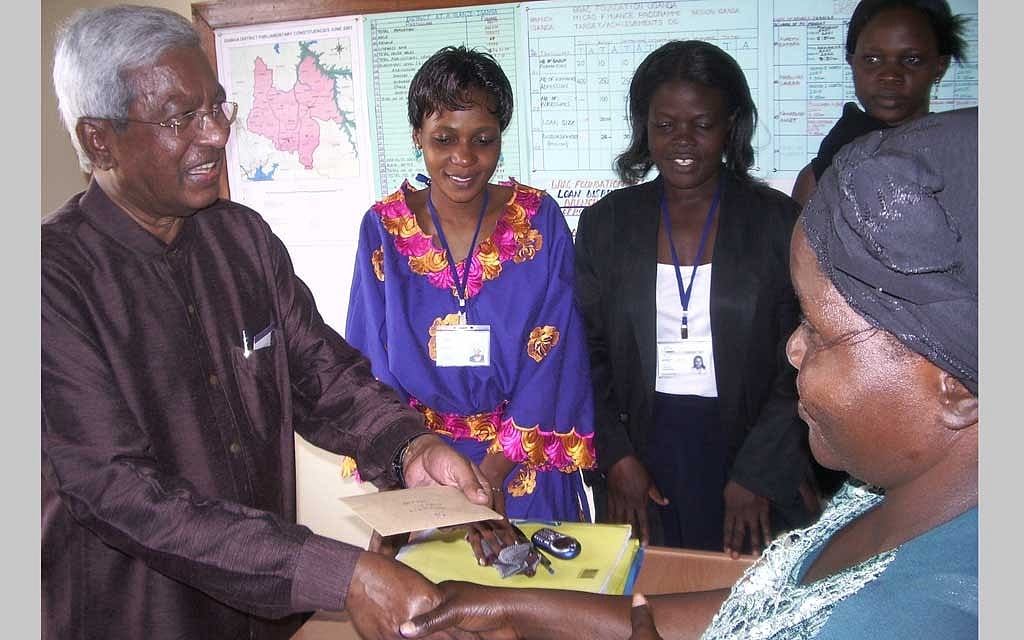
Fazle Hasan Abed received numerous national and international awards and recognition for his pioneering role in many frontiers of socio-economic development in Bangladesh and outside. A short list of these awards is provided below in chronological order beginning from the latest:
- Yidan Prize, one of the highest international honours for promotion of education, from Hong Kong-based Yidan Prize Foundation (2019)
- Royal Knighthood from King Willem Alexander of The Netherlands (2019)
- Lego Prize for extensive contribution to early childhood development (2018)
- Laudato Si’ Award for creating opportunities for millions of people living in poverty to realise their potential (2017)
- The Jose Edgardo Campos Collaborative Leadership Award from the Global Leadership Forum and World Bank Group, Washington DC (2016)
- World Food Prize for outstanding contribution in the agriculture and food sector (2015)
- Leo Tolstoy International Gold Medal from the Russian Children's Fund (2014)
- Spanish Order of Civil Merit for efforts in tackling poverty and empowering people living in poverty (2014)
- WISE Prize, one of the highest international honours for promotion of education, from the Qatar Foundation (2011)
- Knighthood from the Crown of England in recognition of services in reducing poverty in Bangladesh and internationally (2009)
- The then UN secretary-general Ban Ki-moon named Sir Fazle as one of the most significant personalities of the developing nations (2010)
- Ashoka recognised Sir Fazle as one of the ‘Global Greats’ (2010)
- Entrepreneur for the World Award from the World Entrepreneurship Forum (2009)
- David Rockefeller Bridging Leadership Award (2008)
- Clinton Global Citizenship Award (2007)
- Palli Karma Shahayak Foundation (PKSF) Award for lifetime achievement in social development and poverty alleviation (2007)
- Gates Award for Global Health (2004)
- UNDP Mahbubul Haq Award for Outstanding Contribution to Human Development (2004)
- Recognised as an Outstanding Social Entrepreneur by the Schwab Foundation for Social Entrepreneurship
- The Olof Palme Prize in 2001 from Sweden
- Ramon Magsaysay Award for Community Leadership (1980)
Sir Fazle received many honorary degrees, among them are from Princeton University (2014), the University of Oxford (2009), Columbia University (2008) and Yale University (2007).













