


Published : 24 Jun 2021, 10:29 AM
Updated : 14 Oct 2022, 06:54 PM


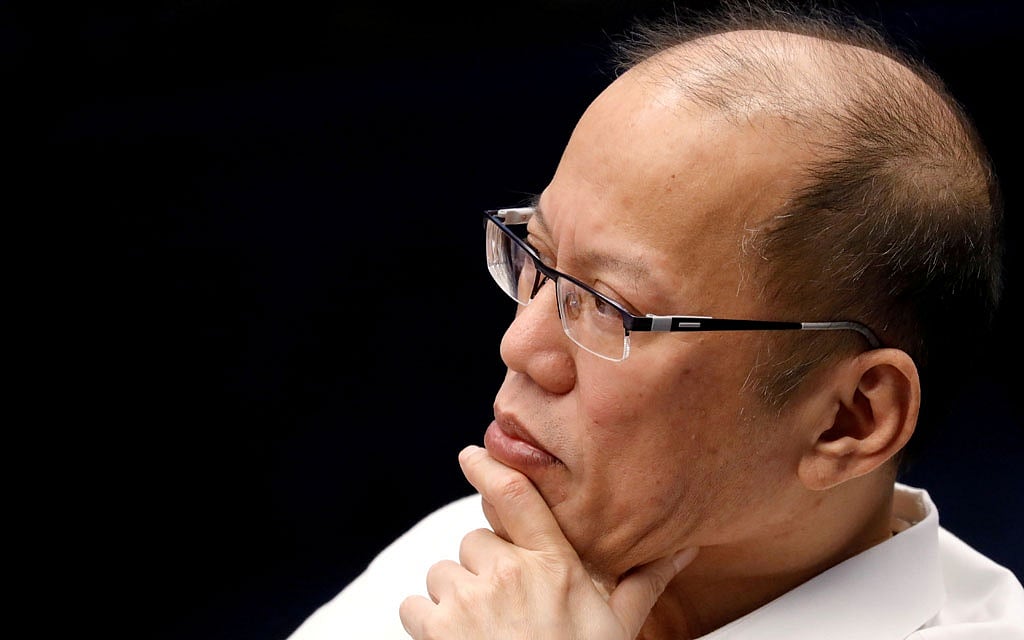
His death was confirmed in a statement from Manuel Roxas II, a former minister of the interior whose family has long been associated with the Aquinos. The cause of his death was not immediately known; local news reports said that he had been admitted to a hospital.
Aquino served as president from 2010 to 2016, riding a wave of support after the death of his mother, Corazon Aquino, in 2009. Corazon Aquino, herself a former president, and her husband, the slain Sen Benigno S Aquino Jr, were leaders of the 1986 People Power Revolution that ended the two-decade dictatorship of President Ferdinand Marcos.
The younger Aquino, popularly known as Noynoy and PNoy, was celebrated early in his administration for stabilising the country’s faltering economy and pushing through a reproductive rights law that made contraception more readily available to the poor — a move that had long been opposed by the Roman Catholic Church, in a devoutly Catholic country.
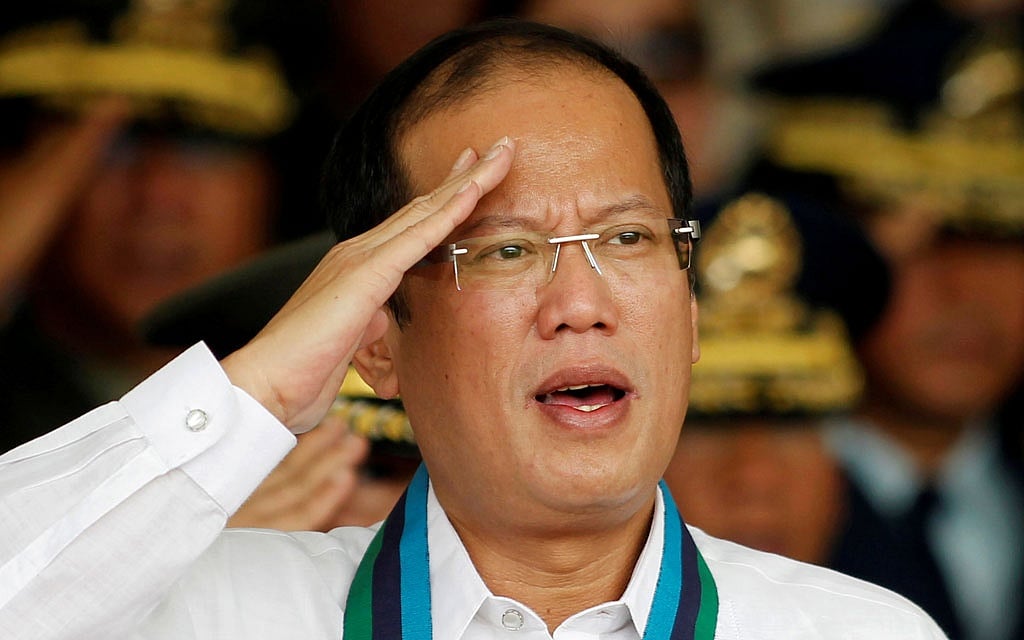
Philippine President Benigno "Noynoy" Aquino III salutes while singing the national anthem during a handover ceremony for the new armed forces chief at Camp Aguinaldo in Quezon City, Metro Manila July 2, 2010. REUTERS
It was the deaths of 44 police commandos in a 2015 clash with Muslim rebels that ultimately ended his presidency. The botched raid to capture a Muslim insurgent in the southern town of Mamasapano was, at the time, the deadliest day for the country’s police force in modern history.
In 2017, the country’s anti-graft prosecutor said Aquino should be held accountable for the officers’ deaths for allowing a suspended national police chief, accused of corruption, to oversee the operation.
Aquino was succeeded in 2016 by Rodrigo Duterte, a populist president whose policies have included a bloody war of drugs.
Benigno Simeon Cojuangco Aquino III was born on Feb 8, 1960. He never married and had no children.
© 2021 The New York Times Company













